Leaks & pipes
Whole-house repiping in Aurora, CO
Old supply pipe gives out slowly, with weak pressure, rusty water and one pinhole leak after another. We replace the whole system as a planned job, usually over a few days, and patch the openings we make so life gets back to normal.
SERVICE PLATE
- Service
- Whole-House Repiping
- Typical range
- $4,850 to $8,950
- Area
- Aurora and the east metro
- Hours
- Answered 24/7
- Phone
- (720) 894-1012
Brands we work on every week
Repiping makes sense when the supply pipe itself is the problem, not one bad joint. Galvanized steel that has rusted inside, polybutylene with fittings that crack, and copper with repeated pinhole leaks all fall into that group. We run new PEX or copper from the main shutoff to every fixture, usually over two to four days, with water back on each night.
PEX or copper: which pipe should go in your walls?
Most of the repipes we do now use PEX. It is flexible, so we can snake it through walls and joists with fewer openings, and it has far fewer joints where a leak can start. It also tolerates freezing better than rigid pipe, because it can stretch a little before it splits. For most homes it costs noticeably less than copper, both in material and in labor.
Copper still has a place. Some homeowners prefer it for its long track record, and it looks tidy on exposed runs in unfinished basements. It takes more labor to install, and the material costs more. We walk you through both on the first visit, along with the fitting style we would use, and you pick the one that fits your budget and your plans for the house.
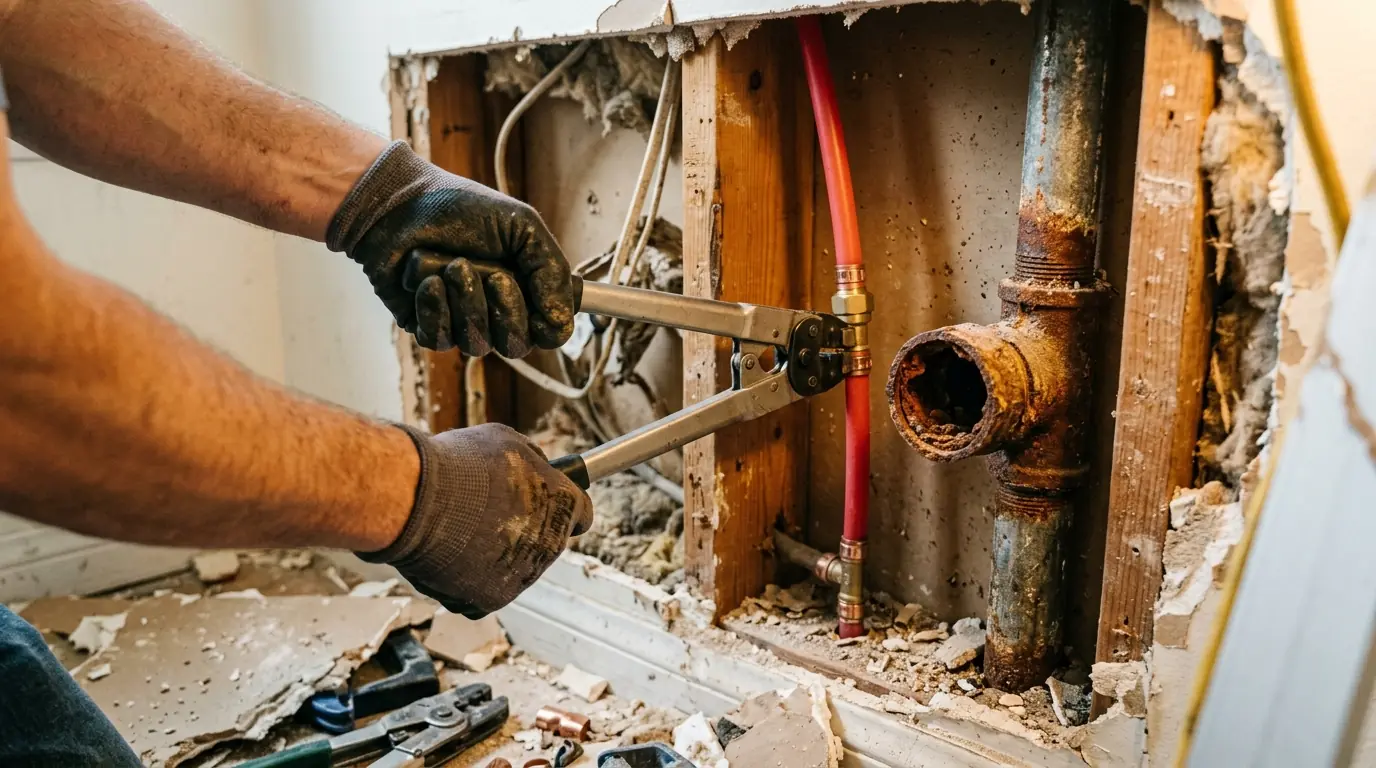
How we repipe a lived-in house without wrecking it
Before we start, we map every fixture, appliance and hose bib that needs water. Then we plan routes through closets, basement ceilings and shared walls, so most of the pipe ends up out of sight. We cut small, square openings at key points instead of opening long stretches of drywall, and we cover floors and furniture before any cutting begins.
On most jobs we install the new lines first while the old ones keep working. Then we switch fixtures over in groups and restore water at the end of each day. Once everything runs on new pipe, we pressure test the system, check every connection and close up the openings. Old pipe is usually left in place where pulling it out would mean more wall damage.
Why patching one leak at a time stops making sense
A single repair is the right call when the rest of the system is sound. The math changes when the pipe material itself is failing. Each emergency visit costs money, and water damage to drywall, flooring and finished basement ceilings often costs more than the plumbing repair. With polybutylene or badly corroded galvanized pipe, the next leak is usually a question of when, not if.
Repiping also fixes problems a patch never will. Old galvanized pipe can restrict flow so badly that new fixtures underperform, and no single repair brings it back. Buyers and home inspectors often ask about polybutylene during a sale. A planned repipe lets you choose the timing, compare materials and budget for it, instead of reacting to water coming through a ceiling at night.
Pricing
What does repiping a house in Aurora cost?
TYPICAL AURORA PRICE RANGES
| PEX repipe, one-story ranch with one or two bathrooms | $4,850 to $8,950 |
|---|---|
| PEX repipe, two-story home with two or three bathrooms | $7,450 to $12,850 |
| Copper repipe, one-story ranch with one or two bathrooms | $8,350 to $14,650 |
| Polybutylene replacement with an open basement ceiling | $5,650 to $10,450 |
| Drywall patching and texture after a repipe, whole house | $865 to $2,350 |
These are typical ranges for Aurora homes, not a quote. Your price depends on the layout of the house, the pipe we find and how much finished space we have to work through.
- Number of fixturesEvery sink, toilet, tub, hose bib and appliance needs its own line and stop valve, so a house with four bathrooms costs more than one with two.
- Finished spaceOpen basement ceilings make routing quick. Finished basements and plaster walls in older homes mean more openings, more patching and more labor.
- Pipe materialPEX costs less in material and labor. Copper costs more on both, but some homeowners want it for exposed runs or simple preference.
- Extras found along the wayA failing main shutoff, tired water heater connections or a pressure reducing valve near the end of its life are often worth replacing during the same job.
Compare more jobs in our plumbing price guide.
Step by step
From walkthrough to final pressure test
- 01
Walkthrough and pipe check
We look at the pipe you have now, count fixtures, check the main shutoff and water heater connections, and note where finished walls and ceilings will need openings.
- 02
Written plan and price
You get a clear scope covering pipe material, routes, number of openings, permit and patching, plus how many days the water will be off during working hours.
- 03
Prep and protection
We pull the permit, lay floor protection, cover furniture near work areas and set up so your kitchen and at least one bathroom stay usable each night.
- 04
New lines and switchover
We run new trunk and branch lines, tie in each fixture, replace stop valves as we go and restore water at the end of every workday.
- 05
Testing, inspection and patching
We pressure test the whole system, flush the lines, meet the inspector, then patch the openings so the walls are smooth and ready for your paint.
Warning signs
Is your supply pipe telling you it's time to repipe?
Pressure drops when two taps run
Rust and scale narrow galvanized pipe from the inside until only a small channel is left. Running the shower and the kitchen sink at the same time exposes it right away.
Brown or orange water after sitting
Discolored water first thing in the morning, or after a vacation, often comes from corroding steel pipe. If it clears after a minute, the rust is inside your plumbing, not in the city supply.
Gray plastic pipe at the water heater
Polybutylene is a flexible gray pipe, often stamped PB, with metal crimp rings at the fittings. It was common in homes built roughly 1978 to 1995 and tends to fail with little warning.
A second or third pinhole leak
One pinhole in copper can be bad luck. Several within a couple of years suggest the pipe walls are thinning throughout the house, and patching leak by leak gets expensive fast.
Green crust on copper joints
Blue green buildup around fittings means slow weeping at the joint. It can stay quiet for years, then let go behind a wall or above a finished basement ceiling.
Mixed pipe from old patch jobs
Copper spliced into galvanized, plastic spliced into copper, and missing dielectric unions all point to a system that has been patched more than repaired. Those transitions are common leak points.
Aurora notes
Which Aurora neighborhoods are most likely to need new pipe?
The age of your house says a lot. Original Aurora near Colfax and much of the northwest side have homes from the 1940s and 1950s, and many still carry galvanized steel supply pipe. After seventy years of water running through it, that pipe is often badly narrowed by rust. Central Aurora's 1960s and 1970s ranches and split-levels usually have copper, which lasts longer but can develop pinholes as it ages.
Southeast Aurora grew fast in the 1980s and 1990s, and some homes built roughly 1978 to 1995 were plumbed with gray polybutylene. If you can see it at your water heater or along an unfinished basement ceiling, it is worth planning a replacement. Repiping usually requires a permit and inspection in Aurora and nearby cities, and we pull the permit. Because so many local basements are finished, we plan routes carefully to limit ceiling cuts.
Related work
Other plumbing jobs that often go with this one
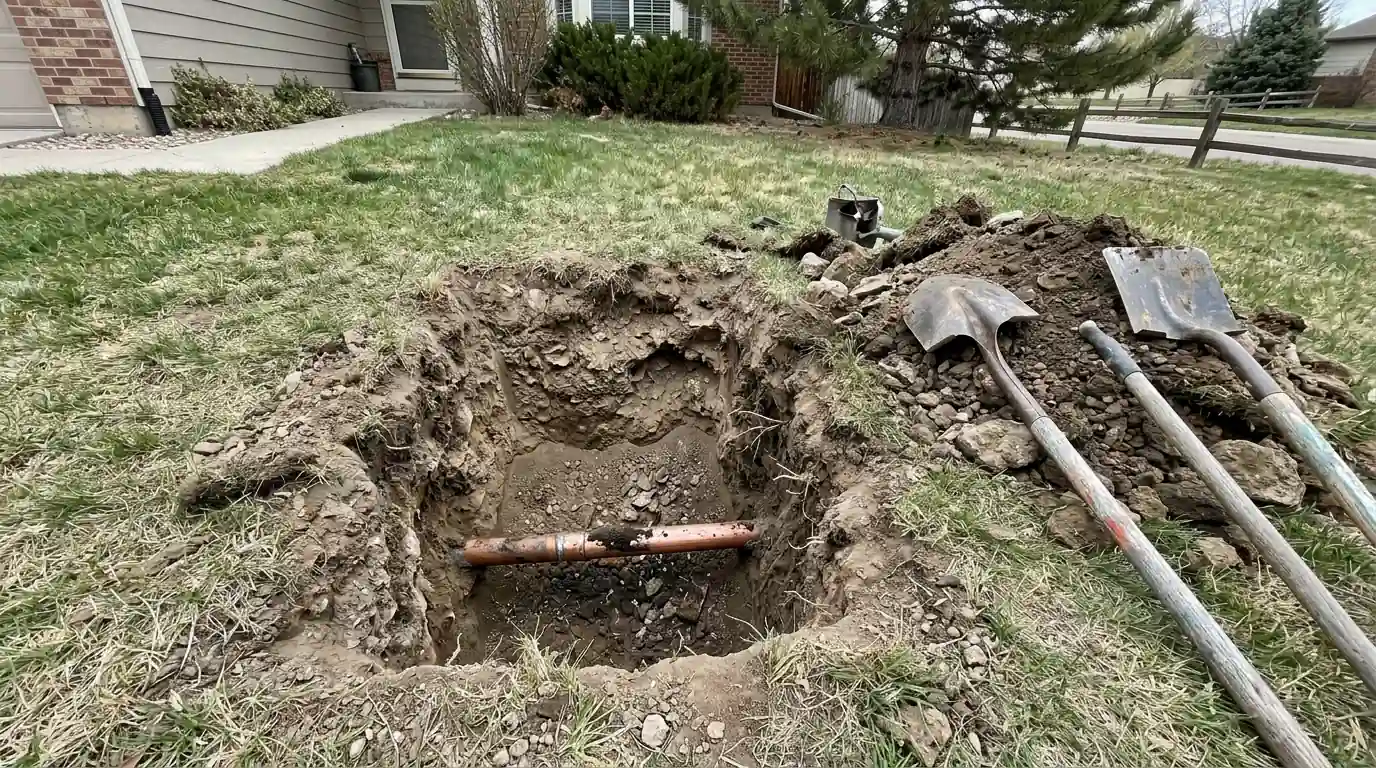
Main Water Line Repair & Replacement
Repair or replace the buried water service line between your meter and house when it leaks, breaks or loses pressure.
Learn more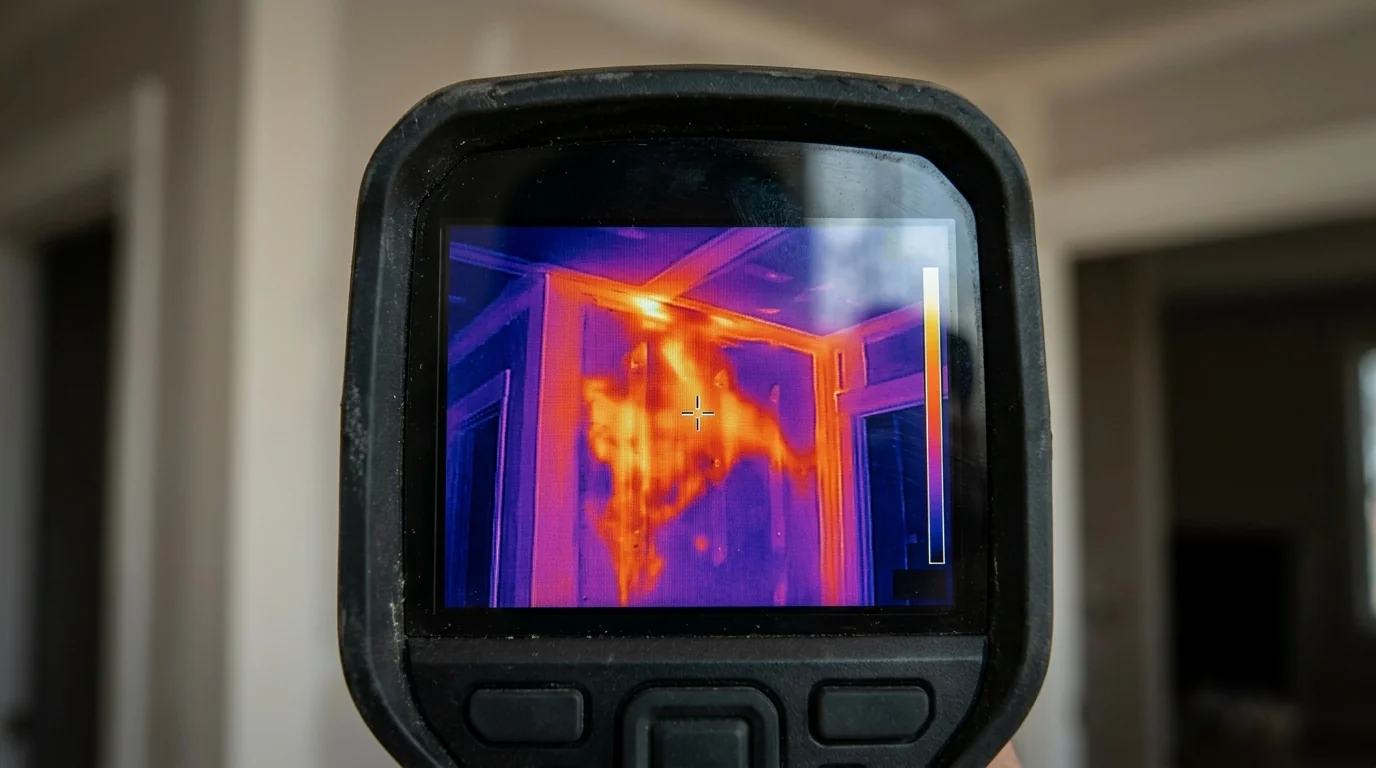
Leak Detection
Hidden water leaks pinpointed inside walls, ceilings, floors and yards with acoustic, thermal and pressure testing, with minimal opening up.
Learn more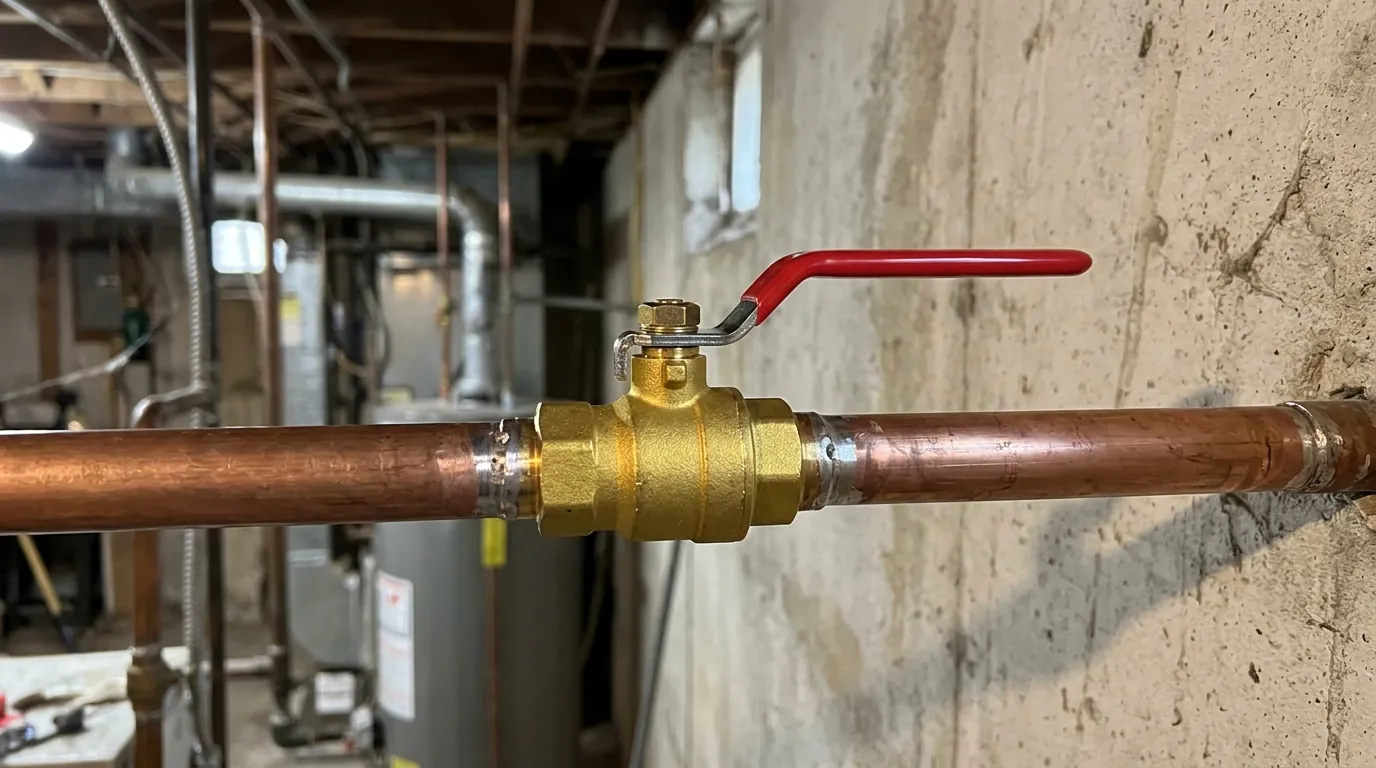
Shut-Off Valve Replacement
Swap seized gate valves and leaky fixture stops for quarter-turn ball valves you can close fast in an emergency.
Learn more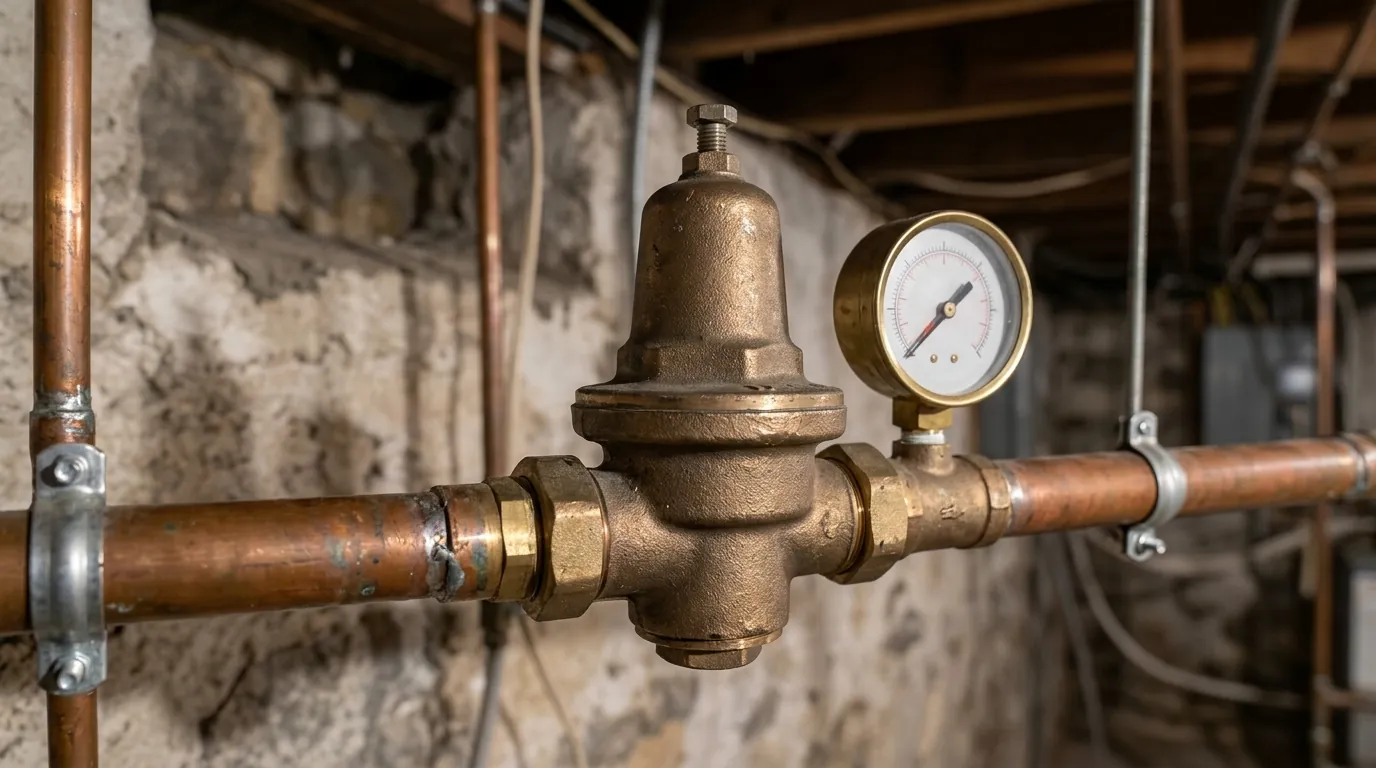
Pressure Reducing Valves
Test, adjust or replace the valve that keeps city water pressure from hammering your pipes, fixtures and water heater.
Learn moreQuestions
Whole-House Repiping questions from Aurora homeowners
How long is the water off during a whole-house repipe?
On most homes the water is off during working hours only. We restore it each evening so you can cook, flush and shower at night. Small ranches can be done in two days, while larger two-story homes with finished basements can take four or five. We give you a day by day schedule before we start.
Can you repipe a house while we keep living in it?
Yes, and most families do. We work room by room, keep at least one bathroom usable each night, cover floors and furniture, and clean up dust at the end of every day. Pets are the main thing to plan around, since doors and wall openings will be in use during work hours.
Do you need to tear out all my drywall to repipe?
No. We cut a series of small, square openings at junctions, fixture locations and the tops of walls, then fish the pipe between them. Closets, basement ceilings and the backs of cabinets help us hide most of the routing. We patch every opening we make when the plumbing is finished.
Is PEX pipe safe for drinking water in a home?
PEX made for home water supply is manufactured and tested for drinking water, and it has been used in houses across the country for decades. Some people notice a slight plastic taste in brand new lines at first. Flushing the system after installation usually clears it, and we flush every repipe before we leave.
Should I replace polybutylene pipe before selling my Aurora home?
Many sellers do, because buyers and home inspectors tend to flag gray polybutylene, and it can complicate a sale. Replacing it ahead of time removes the question and lets you show a plumbing system with years of life ahead. If you are on a tight timeline, tell us your listing date and we will plan the work around it.
Coverage
Where we do whole-house repiping around Aurora
These neighborhoods and nearby cities cover most of the households we serve. Not listed? Call and ask.
- Original Aurora, Aurora 80010
- Del Mar, Aurora 80010
- Hoffman Heights, Aurora 80011
- Aurora Hills, Aurora 80012
- Village East, Aurora 80012
- Willow Park, Aurora 80012
- Aurora Knolls, Aurora 80012
- Heather Gardens, Aurora 80014
- Aurora 80012
- Denver 80202
- Centennial 80112
- Parker 80134
- Englewood 80110
- Littleton 80120
- Greenwood Village 80111
- Lone Tree 80124
Need help with whole-house repiping?
Call any time, day or night. A real person answers and tells you what happens next.