Gas, water quality & more
Gas line installation in Aurora, CO
Adding a gas range, a backyard fire pit or a garage heater means running a new branch that can actually carry the fuel that appliance needs. We size the line, route it cleanly, pull the permit and pressure test before anything is lit.
SERVICE PLATE
- Service
- Gas Line Installation
- Typical range
- $385 to $765
- Area
- Aurora and the east metro
- Hours
- Answered 24/7
- Phone
- (720) 894-1012
Brands we work on every week
Installing a gas line safely comes down to sizing and testing. The pipe has to carry the total BTU demand of every appliance on it over the full length of the run, or burners starve when several run at once. We calculate the load, choose black iron or coated flexible line, pull the permit and pressure test before connecting anything.
Why pipe size matters more than most people think
Gas piping is sized by two numbers: the total BTU demand of the appliances on the line and the length of the longest run. A long, narrow pipe loses too much pressure to feed a big burner. The symptoms show up later as lazy flames, a tankless heater throwing error codes or a furnace that struggles whenever the range is on.
We add up every appliance on the system, including the ones you already own, and size from the meter outward. Sometimes the new branch is simple. Other times the main trunk line is already near its limit, and the right move is to upsize part of it before adding anything new, so every burner gets the fuel it was designed for.
Black iron or flexible gas line: which fits your project?
Black iron pipe is durable and has been used for generations. It works well for exposed basement runs and short, straight branches. Corrugated stainless steel tubing, often called CSST, comes in coated rolls and snakes through joists and walls with far fewer fittings, which means fewer joints that could ever develop a leak.
Flexible gas line has its own requirement: proper electrical bonding, per the manufacturer's instructions, to protect it from lightning damage. We bond every flexible run we install. For buried outdoor lines we use pipe made for direct burial and keep it deep enough to stay clear of shovels, aerators and fence post diggers.
Outdoor gas lines for fire pits, grills and patio heaters
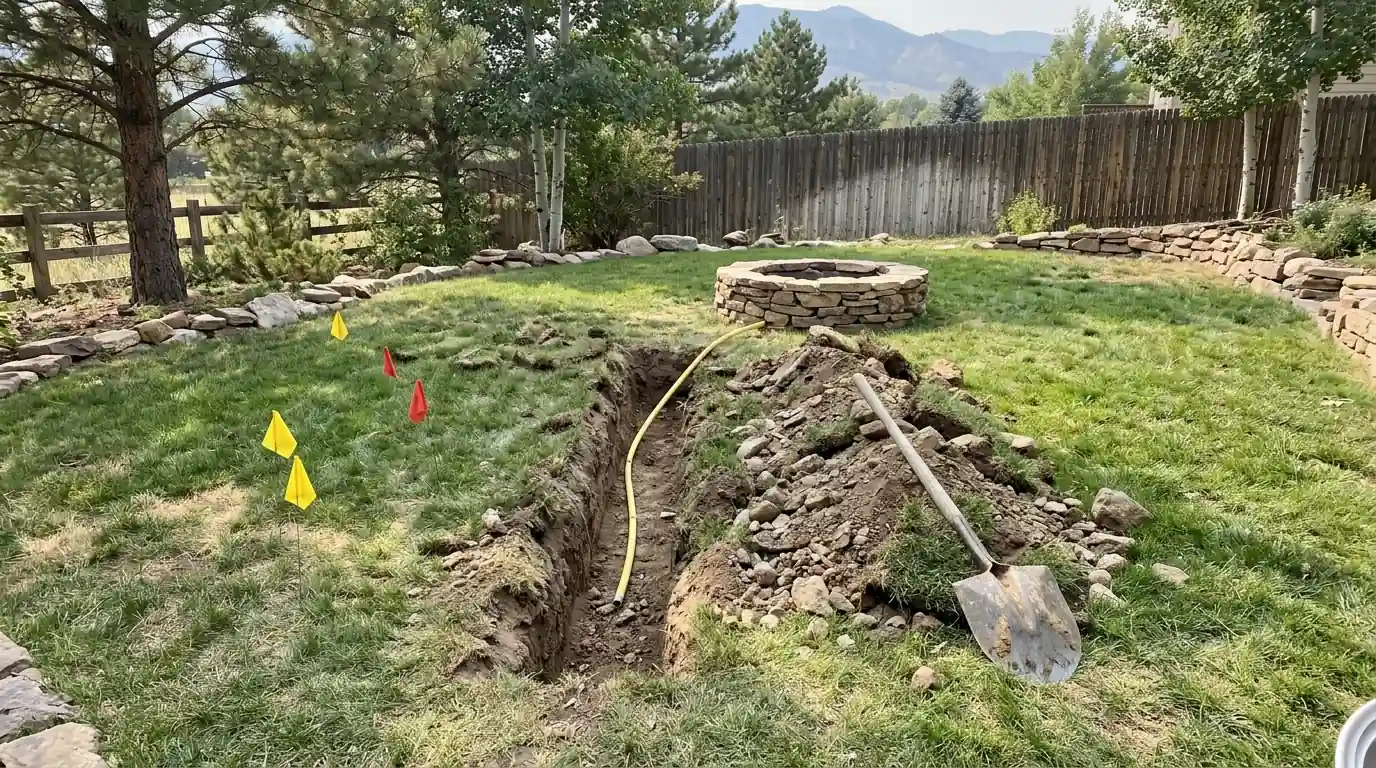
Backyard gas projects start before the trench. Colorado law requires a Colorado 811 locate before digging, so buried utilities are marked first. We plan the route around sprinkler lines, landscaping and future patio plans, then dig, lay the pipe, add tracer wire where it helps future locating, and backfill the trench.
At the appliance end we install a shutoff valve you can reach easily, plus a proper connection for the grill or burner. If you already have a fire pit kit, tell us its BTU rating up front. That number shapes the pipe size, and guessing low gives you a weak, sooty flame that never looks like the photos.
Pricing
Gas line installation prices for Aurora homes
TYPICAL AURORA PRICE RANGES
| Gas range or cooktop line, short interior run | $385 to $765 |
|---|---|
| Gas dryer line in a basement laundry | $345 to $685 |
| Garage unit heater gas line | $565 to $1,185 |
| Buried line to a fire pit or built-in grill | $985 to $2,465 |
| Gas line upsizing for a tankless water heater | $645 to $1,465 |
| Standby generator gas supply line | $1,185 to $2,945 |
These ranges are typical for Aurora homes and are not a quote. Your price depends on the load, the route and what we find in the existing piping.
- Length of the runEvery foot of pipe and every joist or wall it crosses adds material and labor, especially across a finished basement ceiling.
- Total gas demandBigger appliances or a nearly maxed trunk line may require larger pipe or upsizing existing sections from the meter forward.
- Indoor or buriedOutdoor buried lines add locates, trenching, direct burial pipe and backfill. Hard ground or landscaping in the way adds more time.
- Finish workRunning pipe through finished walls or ceilings may mean small access cuts. We keep them minimal, and drywall patching is priced separately if you want it.
Compare more jobs in our plumbing price guide.
Step by step
Steps in a typical gas line installation
- 01
Plan the load
We list every gas appliance in the house, new and existing, with their BTU ratings. That tells us whether the current trunk can take another branch.
- 02
Pick the route and material
We choose black iron, flexible line or buried pipe based on where the run goes, and show you where valves and wall penetrations will be.
- 03
Pull permits and locates
We pull the permit for the gas piping. For any buried outdoor run, we request a Colorado 811 locate so existing utilities are marked before digging.
- 04
Install and pressure test
The new pipe is run, supported and given electrical bonding where required, then pressure tested and held to confirm every joint is tight before gas is introduced.
- 05
Connect and fire the appliance
We connect the appliance with a new connector and shutoff, purge air from the line, light it, and check the flame and the altitude setup.
Warning signs
Projects that usually need a new gas branch
Switching from electric to a gas range
Many kitchens have no gas at the range wall. We bring a new branch with a shutoff valve behind the range so a gas cooktop or range can be connected and serviced easily.
Adding a gas dryer in the laundry room
A gas dryer needs its own supply, an accessible valve and a proper connector. In basement laundry rooms the new line is often a short run from nearby pipe.
A backyard fire pit or built-in grill
Outdoor appliances need a buried line or a protected run along the house, sized for the burner, with a shutoff you can reach without crawling under a counter.
Heating a garage or workshop
Unit heaters in garages draw a lot of gas. Feeding one from an undersized branch can starve the furnace or water heater when everything fires at the same time.
Upgrading to a tankless water heater
Gas tankless units can demand several times the fuel of a tank heater. The existing line is often too small, and we upsize it as part of the installation.
Installing a standby generator
Whole-house generators need a dedicated, correctly sized line. The utility may also need to confirm that the meter can carry the added load before it runs.
Aurora notes
Gas installs at Aurora's altitude
Aurora sits at about 5,400 feet, and gas appliances behave differently in thinner air. Manufacturers publish high-altitude installation and derating guidance for their burners, and ignoring it is a common cause of soot, poor combustion and venting trouble. When we hook up a new range, dryer, heater or fire feature, we check the appliance's altitude setup as part of the job, not as an afterthought.
Gas piping work usually requires a permit and inspection in Aurora and nearby cities, and we pull the permit so the inspection is scheduled as part of the project. In newer northeast and far southeast Aurora neighborhoods, many homes already have flexible gas line in the walls, which can make adding a branch simpler. Older homes in Original Aurora usually tie in to original black iron, so we check that pipe's condition first.
Related work
Other plumbing jobs that often go with this one
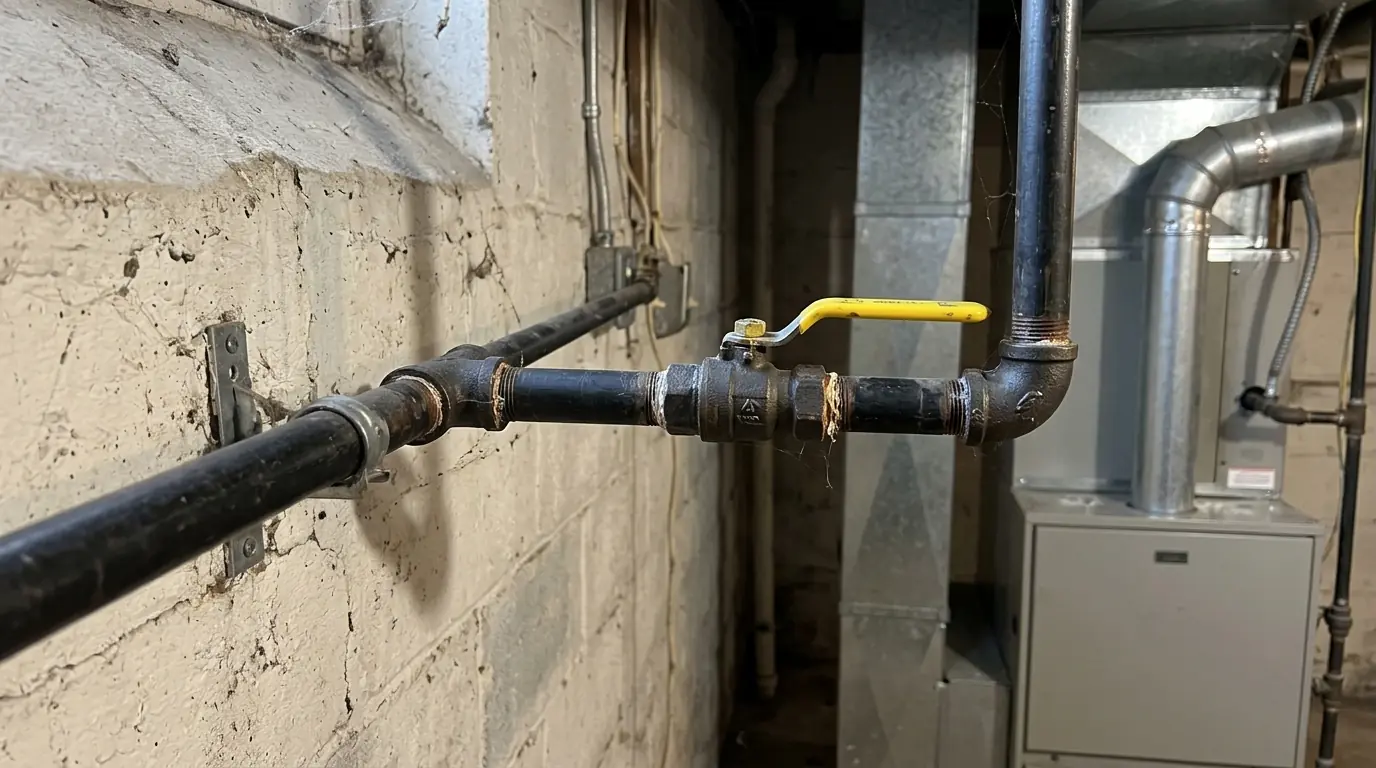
Gas Line Repair
Gas leaks at fittings, appliance connectors and corroded pipe repaired, then pressure tested before gas goes back on in your home.
Learn more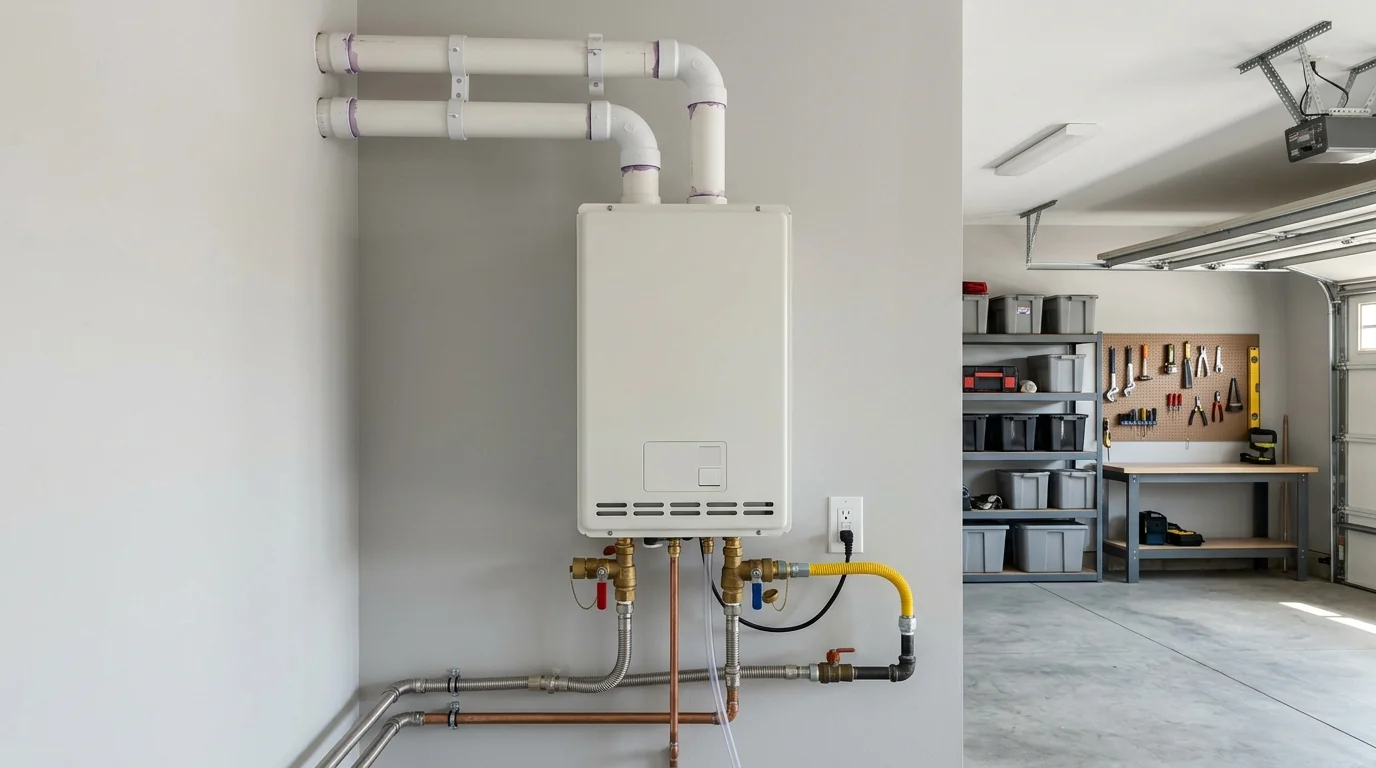
Tankless Water Heater Installation
Gas tankless water heaters sized for cold winter water, installed with the gas line, venting and condensate drain done properly.
Learn more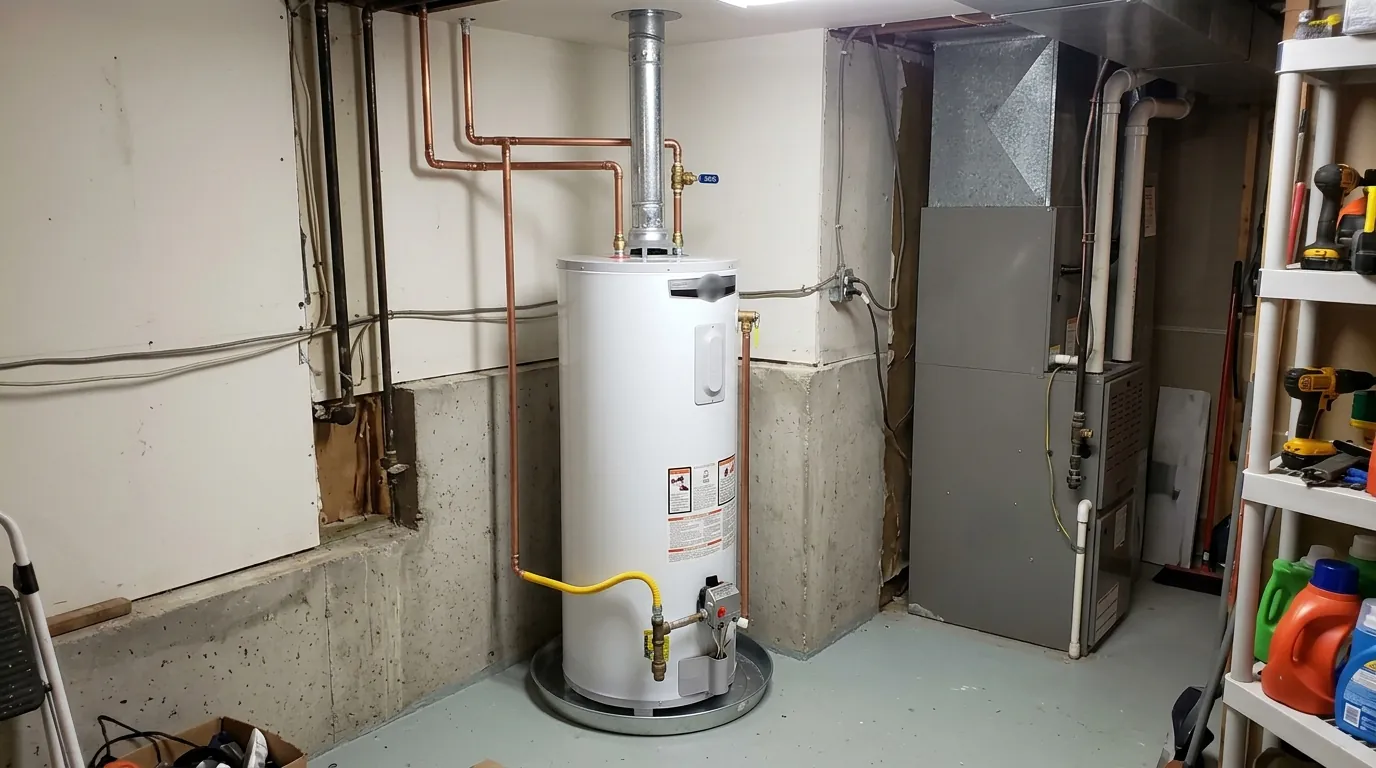
Water Heater Installation
New gas and electric tank water heaters sized for your household, set up for altitude, permitted, with the old tank hauled away.
Learn more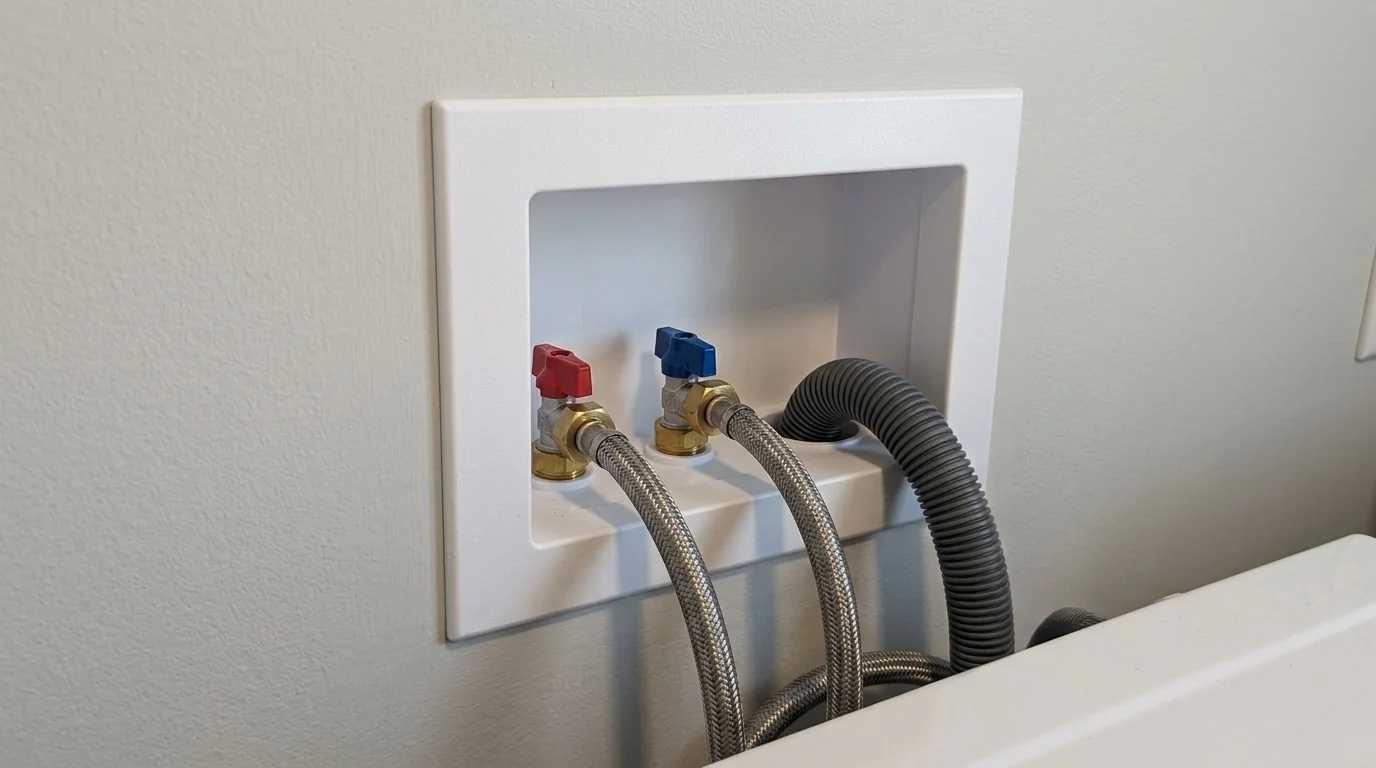
Appliance Water & Drain Hookups
Washer boxes, dishwasher supply and drain lines, ice maker lines and standpipes installed so new appliances run without leaks.
Learn moreQuestions
Gas Line Installation questions from Aurora homeowners
Can my existing gas line handle a new gas range and a tankless heater?
Sometimes, but often not. We add up the BTU ratings of every appliance and measure the run lengths. If the trunk line is already near capacity, adding both can starve burners when they run together. Upsizing a section of pipe near the meter usually solves it without replacing everything.
Is flexible gas line safe to use inside walls?
Yes, when it is installed with bonding that follows the manufacturer's instructions. Coated corrugated stainless tubing has fewer joints than threaded pipe, which reduces potential leak points. The bonding step protects it from lightning related damage, and we include it on every flexible run we install.
How deep does a buried gas line to a fire pit need to be?
Deep enough to be protected from digging, aeration and soil movement, using pipe rated for direct burial. The exact depth depends on the material and local requirements, which we follow on each job. We also request a Colorado 811 locate first so existing buried lines are marked before the trench opens.
Do I need a permit to add a gas line in Aurora?
Usually, yes. Gas piping work generally requires a permit and inspection in Aurora and nearby cities. We pull the permit, do the work and arrange the inspection. That protects you when you sell the house and confirms the line was tested before anyone used it.
Can you convert my propane grill to natural gas when you run the line?
Many grills have a manufacturer conversion kit with the correct orifices and regulator for natural gas. If yours does, we can install the kit along with the new line. Drilling out orifices without the proper kit is unsafe, so we don't convert grills that lack an approved conversion.
Coverage
Where we do gas line installation around Aurora
These neighborhoods and nearby cities cover most of the households we serve. Not listed? Call and ask.
- Original Aurora, Aurora 80010
- Del Mar, Aurora 80010
- Hoffman Heights, Aurora 80011
- Aurora Hills, Aurora 80012
- Village East, Aurora 80012
- Willow Park, Aurora 80012
- Aurora Knolls, Aurora 80012
- Heather Gardens, Aurora 80014
- Aurora 80012
- Denver 80202
- Centennial 80112
- Parker 80134
- Englewood 80110
- Littleton 80120
- Greenwood Village 80111
- Lone Tree 80124
Need help with gas line installation?
Call any time, day or night. A real person answers and tells you what happens next.