Leaks & pipes
Slab leak repair in Aurora, CO
A warm spot on the floor, cracked tile or the sound of running water under concrete can mean a pipe is leaking beneath the slab. We locate it precisely, then lay out spot repair and reroute options with honest prices for each.
SERVICE PLATE
- Service
- Slab Leak Repair
- Typical range
- $285 to $585
- Area
- Aurora and the east metro
- Hours
- Answered 24/7
- Phone
- (720) 894-1012
Brands we work on every week
A slab leak can be fixed three ways: open the concrete at the leak and repair the pipe, reroute the line through walls or ceilings, or replace the affected runs. Spot repair suits a single failure on newer pipe. Rerouting often makes more sense when the pipe is aging. Most Aurora slab repairs cost $1,285 to $4,365.
Warning signs
How a slab leak usually shows itself
A warm patch on the floor
A leak on the hot water line under the slab heats the concrete above it. Bare feet often find it first, especially on tile or a thin floor covering.
Water heater running constantly
If the heater cycles more than usual and nobody is using hot water, a hot line under the slab may be leaking and drawing fresh water into the tank.
Damp carpet or warped flooring
Water seeping up through concrete can dampen carpet pad, cup wood flooring or loosen vinyl planks, usually in a spot with no plumbing fixture above it.
New cracks in tile or concrete
Water under a slab can wash out soil and let the concrete settle. Fresh cracks or hollow-sounding tiles near a plumbing run deserve a closer look.
Running water sound with taps off
A faint hiss or rushing sound near a floor, often louder at night when the house is quiet, can be pressurized water escaping beneath the slab.
Mold or mildew at baseboards
Moisture wicking up from the slab can feed mold along the bottom of walls or behind baseboards, even when the floor itself looks dry.
Step by step
How we handle a slab leak from start to finish
- 01
Stop the damage
If water is surfacing, we help you shut off the main or isolate the leaking line, so the slab and flooring stop absorbing water while we work.
- 02
Pinpoint the leak
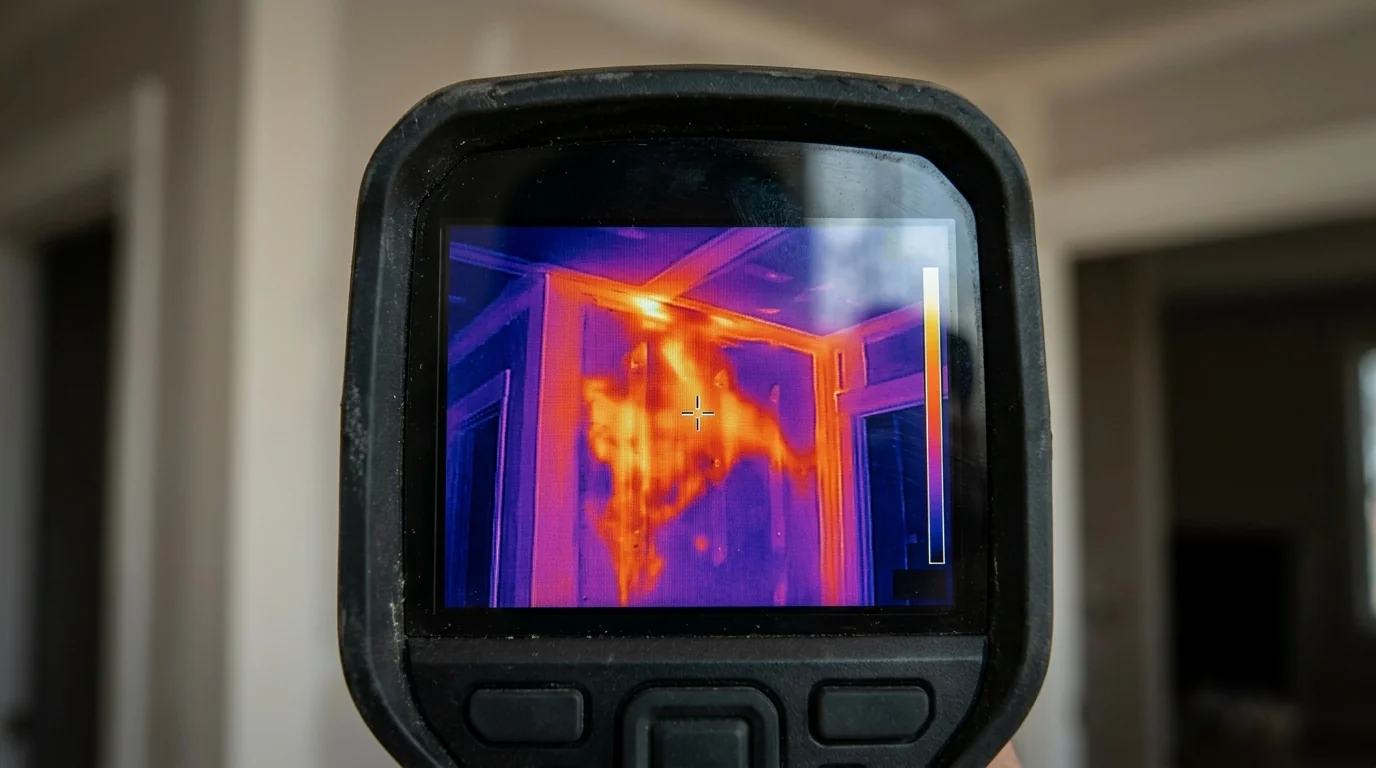
Using pressure isolation, acoustic gear and thermal imaging, we mark the leak's location under the concrete as closely as possible.
- 03
Lay out your options
We price spot repair and rerouting side by side, explain what each means for your floors and walls, and let you choose.
- 04
Make the repair
For spot repairs we cut, expose, fix and backfill. For reroutes we run new pipe through walls or ceilings and cap the old line under the slab.
- 05
Test and restore
We pressure test the repair, confirm the meter stays still with fixtures off, patch concrete or drywall openings and walk you through the result.
Spot repair, reroute or replace: which fits your slab leak?
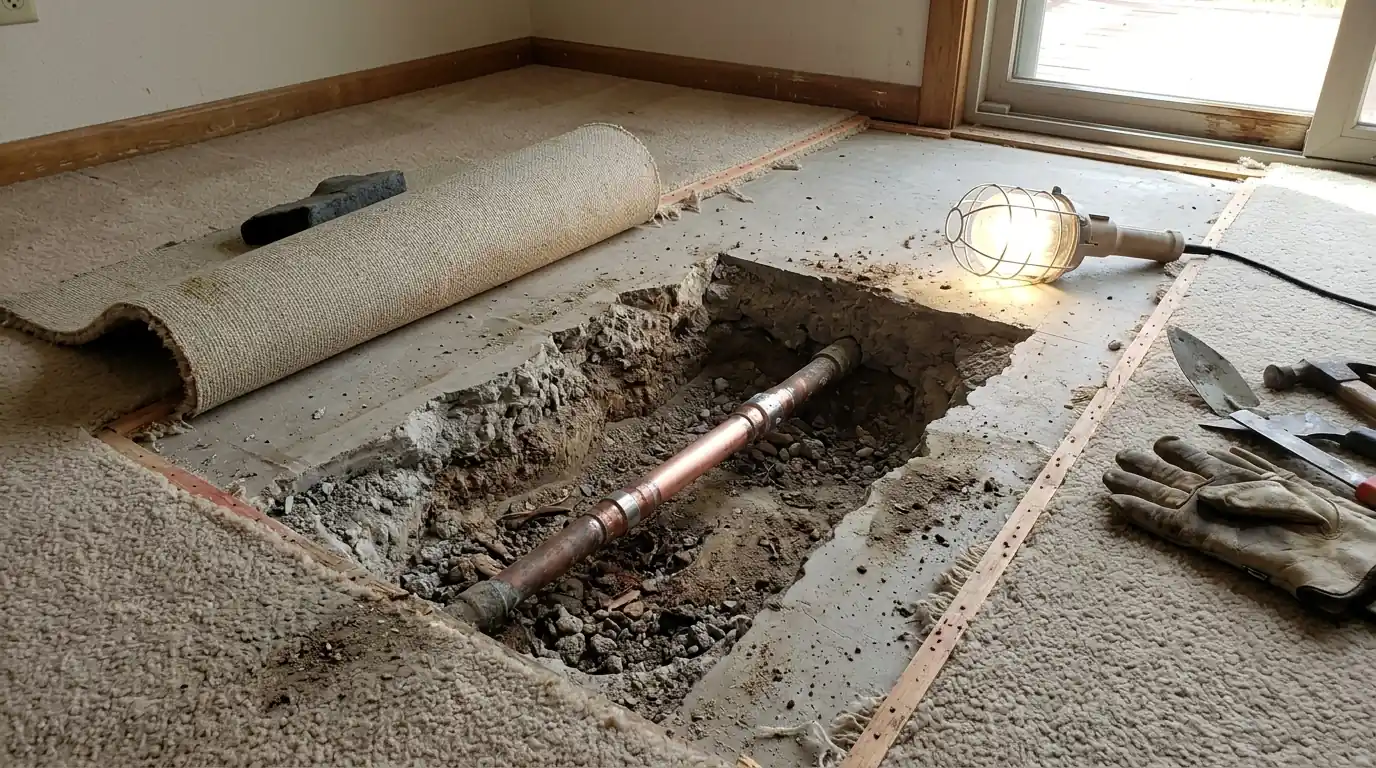
Spot repair means cutting a small section of concrete directly over the leak, exposing the pipe, fixing it and patching the floor. It works well when the pipe is otherwise sound and the failure looks like a single event. Accurate location matters most here, because every extra foot of concrete removed adds cost and more disruption to the flooring above it.
Rerouting abandons the leaking line under the slab and runs a new line through walls, ceilings or the attic instead. It avoids breaking concrete and removes a problem pipe from beneath the house for good. Replacing several runs this way makes sense when the old pipe has already leaked more than once or shows widespread corrosion.
What the repair method means for your floors
With a spot repair, the flooring over the leak has to come up. Carpet can often be pulled back and reinstalled. Tile and hardwood usually need a section removed and replaced, which is the part that adds time and cost beyond the plumbing. We help you figure out who will handle the flooring and plan the timing with you.
A reroute keeps the floors intact but opens a few small sections of drywall where the new line enters walls or passes through ceilings. Those patches are smaller and easier to repair than tile. For many homeowners, the flooring decision ends up guiding which plumbing method they choose, so we talk through both together.
Why a slab leak is rarely the last one
Pipes under a slab age together. If one section of copper developed a pinhole from corrosion or abrasion against concrete, nearby sections faced the same conditions for the same years. That does not mean another leak is certain, but it is a fair reason to think about rerouting rather than patching a single point.
We share what we see when we expose the pipe: wall thickness, corrosion, abrasion marks and fittings. That information helps you decide whether a spot repair is enough. If you are not ready for a larger job, a spot repair still buys time, and you will know exactly what to watch for next.
Aurora notes
How Front Range soil and Aurora homes affect slab leaks
Front Range soils contain a lot of expansive clay that swells when wet and shrinks when dry. Over the years, that movement can shift and crack slabs and put stress on pipes running beneath them. Copper lines that rub against concrete or rock as the soil moves can wear thin at those contact points, which is one common source of slab leaks in the metro.
Many Aurora homes have basements, but slab-on-grade sections are common in garages, additions and some ranch and newer homes. In central Aurora's 1960s and 1970s ranches, aging copper under concrete is a frequent culprit. Repiping usually requires a permit and inspection in Aurora and nearby cities, and if your repair becomes a reroute or larger repipe, we pull the permit.
Pricing
Typical slab leak repair costs in Aurora
TYPICAL AURORA PRICE RANGES
| Slab leak location before repair | $285 to $585 |
|---|---|
| Spot repair through the slab with concrete patch | $1,285 to $2,865 |
| Rerouting one supply line through walls or ceiling | $1,465 to $3,285 |
| Rerouting several lines under the slab | $2,885 to $4,365 |
| Drywall patching after a reroute | $245 to $685 |
These ranges are typical for Aurora homes and not a quote. Your price depends on the leak location, floors and what we find once the pipe is exposed.
- Leak depth and locationA leak close to the surface near a wall is easier to reach than one deep under the middle of a room or beneath a cabinet.
- Floor coveringCarpet pulls back. Tile, stone and hardwood need sections removed and replaced, which adds time and often a separate flooring cost.
- Reroute distanceA short reroute through one wall is quick. Running new pipe from the main to a far bathroom through finished spaces takes more work.
- Pipe conditionIf exposed pipe shows widespread corrosion, we may recommend replacing more of it, which changes the scope and the price.
Compare more jobs in our plumbing price guide.
Questions
Slab Leak Repair questions from Aurora homeowners
Is it safe to keep using water with a slab leak?
For a short time, if the leak is small and you keep an eye on it. But water under a slab can wash out soil, damage flooring and feed mold. If you see water surfacing or hear it running loudly, close the main shutoff and call us right away.
How do I know if a slab leak is on the hot or cold line?
Close the cold supply valve on top of the water heater. If the meter's leak indicator stops moving, the leak is on the hot side. A warm floor spot also points to the hot line. We confirm it with pressure tests during detection.
Will homeowners insurance cover slab leak repair?
It varies by policy. Some cover the cost of accessing the pipe and repairing water damage, but not the pipe itself. Others exclude slow leaks. Call your insurer before the repair if possible, and keep photos and records of what we find.
Is rerouting better than breaking the slab?
Often, especially when the pipe is aging or has leaked before. Rerouting avoids jackhammering through concrete and keeps a vulnerable line out from under your house. Spot repair can still be the better choice for a single failure in newer pipe with good access.
How long does a slab leak repair take?
A straightforward spot repair is often done in one day, with concrete cure time after. A single line reroute usually takes one to two days. Larger reroutes involving several lines can take a few days plus drywall patching.
Related work
Other plumbing jobs that often go with this one
Leak Detection
Hidden water leaks pinpointed inside walls, ceilings, floors and yards with acoustic, thermal and pressure testing, with minimal opening up.
Learn more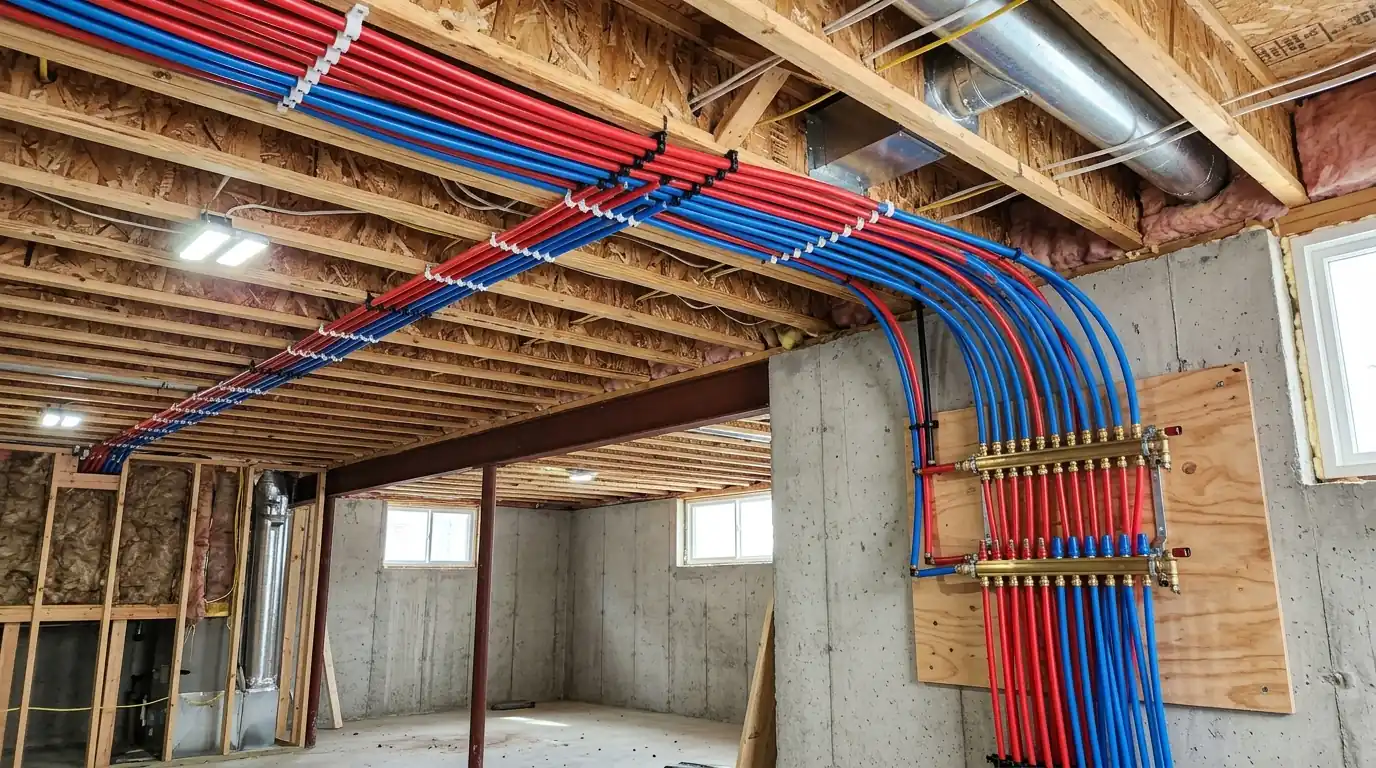
Whole-House Repiping
Replace failing galvanized, polybutylene or pinholed copper supply pipe with new PEX or copper throughout the whole house.
Learn more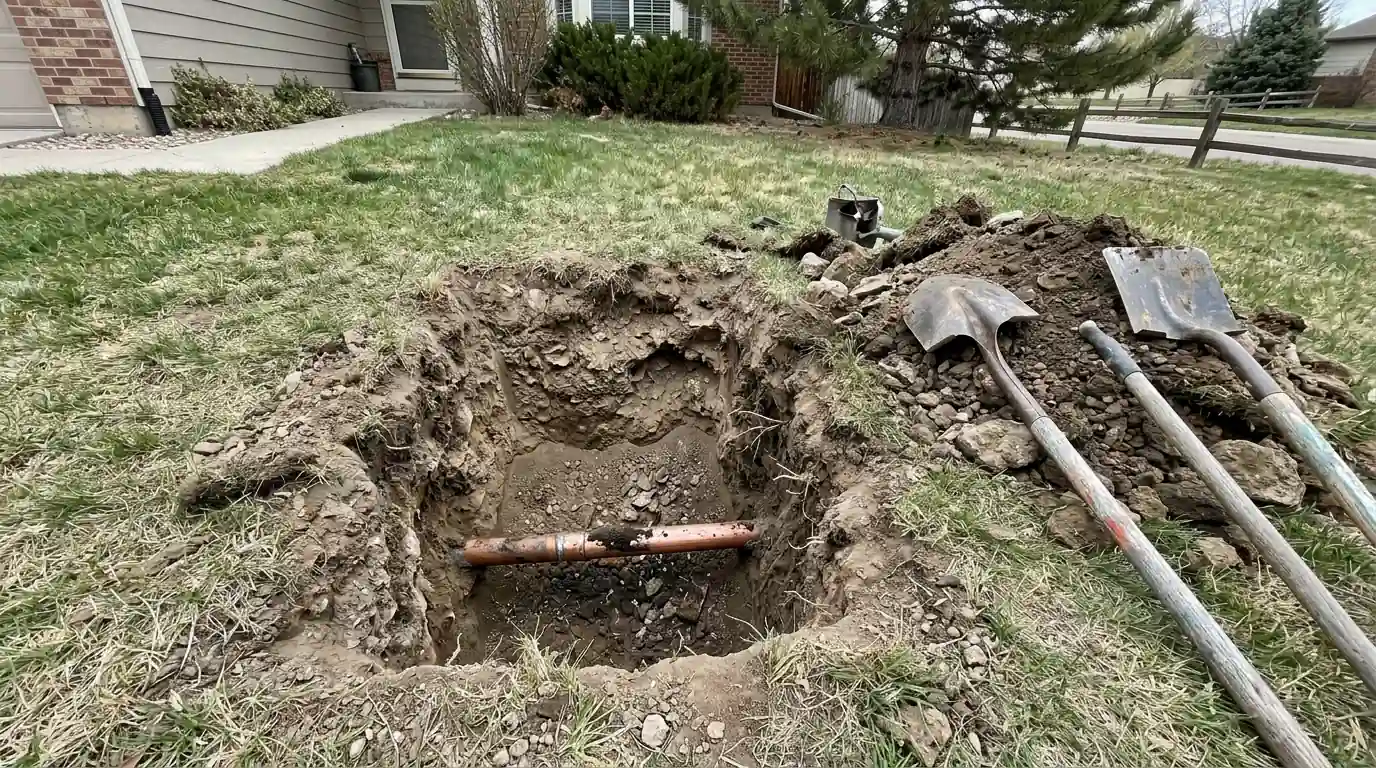
Main Water Line Repair & Replacement
Repair or replace the buried water service line between your meter and house when it leaks, breaks or loses pressure.
Learn more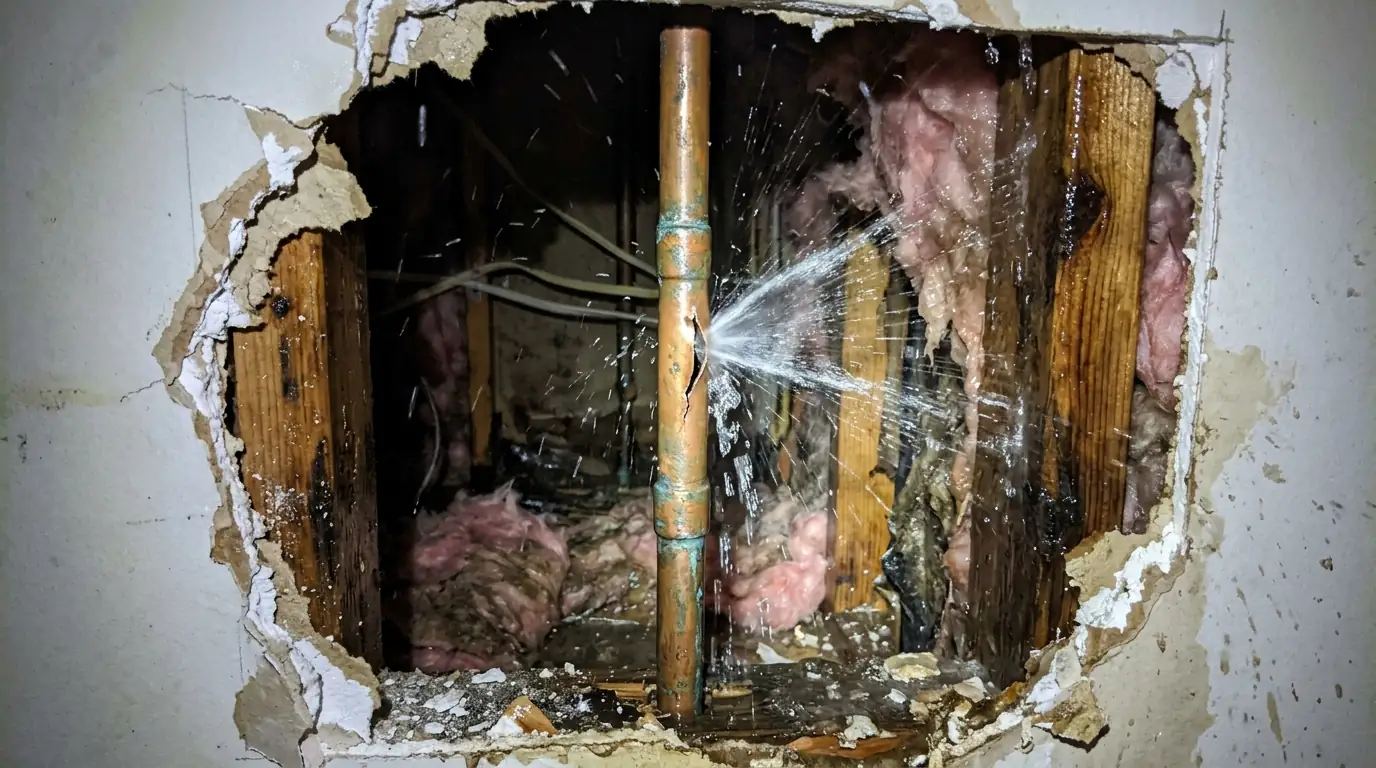
Burst Pipe Repair
Split and burst water pipes stopped, cut out and repaired fast, day or night, with damage kept to a minimum.
Learn moreCoverage
Where we do slab leak repair around Aurora
These neighborhoods and nearby cities cover most of the households we serve. Not listed? Call and ask.
- Original Aurora, Aurora 80010
- Del Mar, Aurora 80010
- Hoffman Heights, Aurora 80011
- Aurora Hills, Aurora 80012
- Village East, Aurora 80012
- Willow Park, Aurora 80012
- Aurora Knolls, Aurora 80012
- Heather Gardens, Aurora 80014
- Aurora 80012
- Denver 80202
- Centennial 80112
- Parker 80134
- Englewood 80110
- Littleton 80120
- Greenwood Village 80111
- Lone Tree 80124
Need help with slab leak repair?
Call any time, day or night. A real person answers and tells you what happens next.