Drains & sewer
Sewer cleanout installation in Aurora, CO
Many older houses have no easy way into the sewer line, so every backup means pulling a toilet or climbing on the roof. A cleanout gives plumbers a direct, capped entry to the main line, which makes every future visit quicker.
SERVICE PLATE
- Service
- Sewer Cleanout Installation
- Typical range
- $685 to $1,385
- Area
- Aurora and the east metro
- Hours
- Answered 24/7
- Phone
- (720) 894-1012
Brands we work on every week
A sewer cleanout is a capped pipe fitting that opens straight into your main sewer line, usually just outside the foundation or in the basement near the main stack. It lets a plumber clear clogs and run cameras without pulling toilets or using roof vents. Installing one is a small, focused dig with lasting value for any home.
Why access to the main line saves money every time
Without a cleanout, a plumber clearing your main line has to pull a toilet and feed the cable through the flange, or climb onto the roof and run it down a vent. Both routes add time, and the toilet path can mean extra cleanup and a new wax seal. Roof vents also include bends that can make cable work harder.
A cleanout gives a straight shot into the main sewer line, close to where it leaves the house. Clearing a blockage, running a camera, jetting the line or installing a liner all get faster and cleaner. Over the life of the home, the savings from easier service often exceed what the cleanout cost to install.
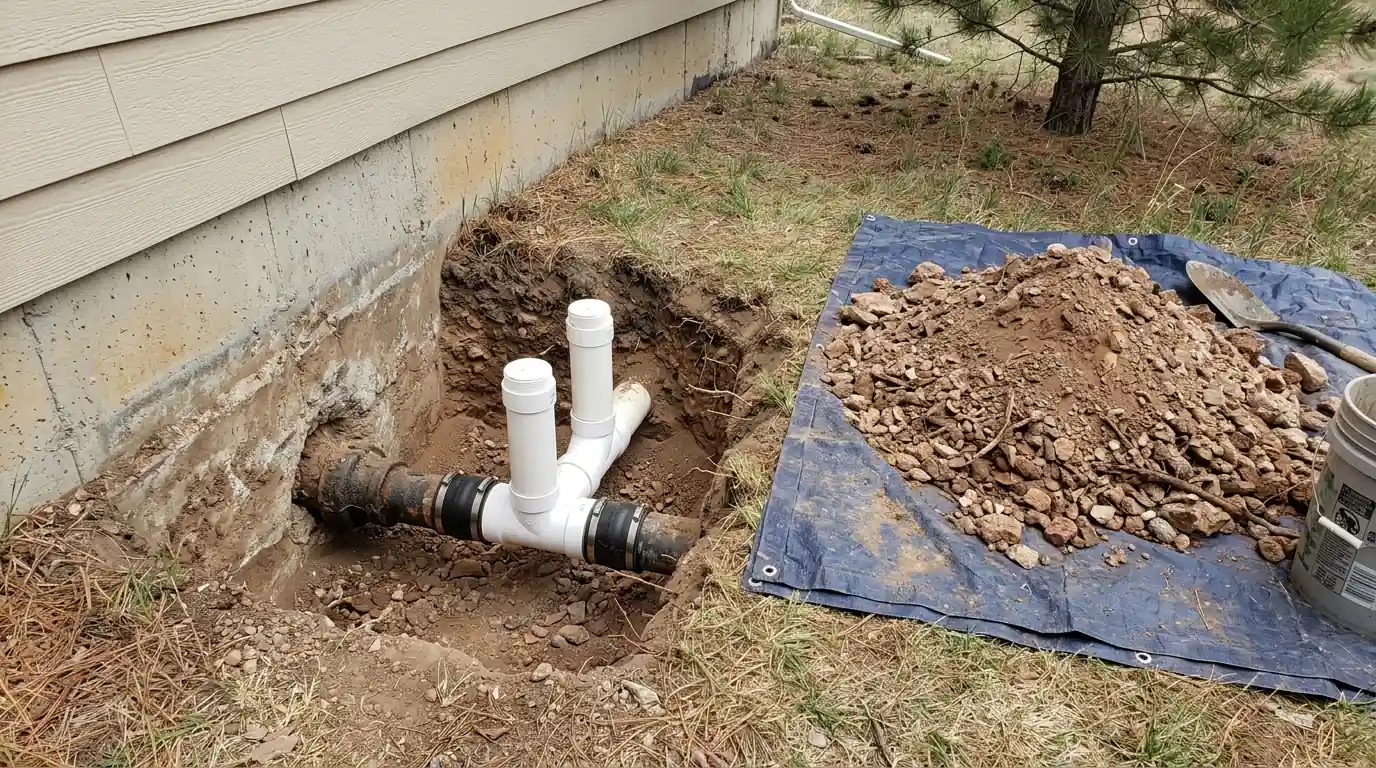
Indoor or outdoor cleanout: where it should go
Outdoor cleanouts sit in the yard just outside the foundation, with a capped riser coming up to grade. They keep sewer work outside, so a backup can be relieved without dirty water inside the house. A two-way cleanout lets us run cables both toward the street and back toward the house, which is ideal for most homes.
Indoor cleanouts are installed on the main drain or stack in a basement or crawlspace. They're useful when outdoor digging is difficult, such as under a deck or a long concrete slab. We look at where your line exits, what's above it and how the space is used before recommending one location over the other.
Small details that keep a cleanout working for decades
We use a threaded PVC plug and a riser set at a sensible height so lawn mowers, snow shovels and sprinklers don't hit it. In lawns we often add a small box or protective collar around the cap. Outdoors, the riser needs good support so soil movement doesn't crack it at the connection to the main line.
Avoid covering a cleanout with mulch beds, pavers or decking. If you're landscaping, mark it and leave a clear path to it. Indoors, keep storage shelves and finished walls away from the cap. Write down its location for future owners, too, since a cleanout only helps if someone can find it during an emergency.
Warning signs
Who benefits most from adding a sewer cleanout?
Older homes with no cleanout at all
Many mid-century houses were built without an accessible cleanout. Every main line call then requires a toilet pull, which adds time, cost and mess.
A cleanout buried or hidden
Some cleanouts were covered by landscaping, concrete or finished walls over the years. If nobody can find it, it might as well not exist.
Cracked or seized cleanout caps
Old cast iron plugs rust in place and break when forced. A damaged cap can leak sewer gas or let roots and soil into the line.
Homes with recurring root problems
If your line needs root cutting every year or two, a good cleanout cuts the cost and mess of each of those visits.
Before a sewer replacement or lining
Adding a cleanout during sewer work costs less than installing one later, and it gives the new line easy access for future service.
Finished basements with one floor drain
A basement cleanout can prevent overflow onto carpet during service. A properly placed outdoor cleanout keeps the work outside entirely.
Aurora notes
Why many Aurora homes are missing a usable cleanout
Homes from the 1940s and 1950s in Original Aurora, and many 1960s and 1970s houses in central Aurora, were built at a time when outdoor cleanouts weren't standard. Some have a cast iron plug inside on the basement stack that has rusted shut, and others have nothing accessible at all. With clay and cast iron laterals that clog more as they age, adding a cleanout gives these homes a big practical upgrade.
Many Aurora houses have finished basements with a single floor drain in the utility room. When the main line has to be opened from inside, a backup can spill toward carpet and drywall. An outdoor two-way cleanout keeps that work outside. Expansive clay soil can also shift a riser, so we bed it carefully and support the connection. We call Colorado 811 before digging, even for this small excavation.
Step by step
How a cleanout goes in at your house
- 01
We locate the sewer exit
A camera and locator show where the main line leaves the house and how deep it sits, so we can place the cleanout at the best spot.
- 02
We call 811 and plan the dig
Colorado 811 marks buried utilities. We plan a small, focused excavation and protect the lawn or surface around the work area.
- 03
We cut in the cleanout fitting
We expose the pipe, cut in a wye or two-way fitting with shielded couplings, and run a riser up to a convenient height.
- 04
We test and inspect
We run water and a camera through the new fitting to check the connection and make sure flow moves freely in both directions.
- 05
We backfill and cap
We compact the soil around the riser, install the threaded cap and any protective box, and show you exactly where it is.
Pricing
What a sewer cleanout costs in Aurora
TYPICAL AURORA PRICE RANGES
| Outdoor single cleanout in lawn | $685 to $1,385 |
|---|---|
| Outdoor two-way cleanout in lawn | $945 to $1,865 |
| Indoor cleanout on a basement main drain | $445 to $985 |
| Cleanout under concrete, saw cut included | $1,465 to $2,895 |
| Replacing a seized or broken cleanout cap | $145 to $345 |
These are typical ranges for Aurora homes, not a quote. Your price depends on depth, surface and the pipe we find once we dig.
- Depth of the lineA shallow lateral needs only a small dig. A deeper line needs a larger hole and more time to reach safely.
- Surface above the pipeLawn is quick to dig and restore. Concrete, pavers or decks require cutting and replacement work on top of the plumbing.
- Pipe materialConnecting to cast iron or clay takes specific couplings. Brittle or damaged pipe near the cut may need a short section replaced.
- One-way or two-way fittingA two-way cleanout costs a little more but lets us service the line in both directions, which helps on future camera and jetting work.
Compare more jobs in our plumbing price guide.
Questions
Sewer Cleanout Installation questions from Aurora homeowners
Where is the sewer cleanout on a typical Aurora house?
On many newer homes it is a capped white pipe in the yard near the foundation, often on the side closest to the street. Older homes may have a cast iron plug on the basement main stack, or none at all. If you can't find yours, we can locate the line and tell you.
Is a two-way sewer cleanout worth the extra cost?
For most homes, yes. A two-way fitting lets us run cable or a camera toward the street and back toward the house from the same spot. That makes clearing branch problems and full line inspections faster, which adds up over years of service.
Can I open my sewer cleanout myself during a backup?
We don't recommend it. If the line is full, opening the cap can release a sudden flow of sewage. Old cast iron caps can also break when forced. Stop using water, keep the area clear and call us so the line can be relieved safely.
Should a cleanout be added when my sewer line is replaced?
It's the best time to do it. The pipe is already exposed, so adding a cleanout costs much less than a separate dig later. New sewer work is often a natural time for one, and it gives your new line easy access for decades of future service.
Why is sewer gas coming from around my cleanout cap?
Usually the cap is cracked, loose or missing its seal, or the riser has shifted with the soil. Sewer gas is unpleasant and should be fixed. Replacing the cap or resetting the riser is typically quick and inexpensive, and it keeps soil and roots out of the line.
Related work
Other plumbing jobs that often go with this one
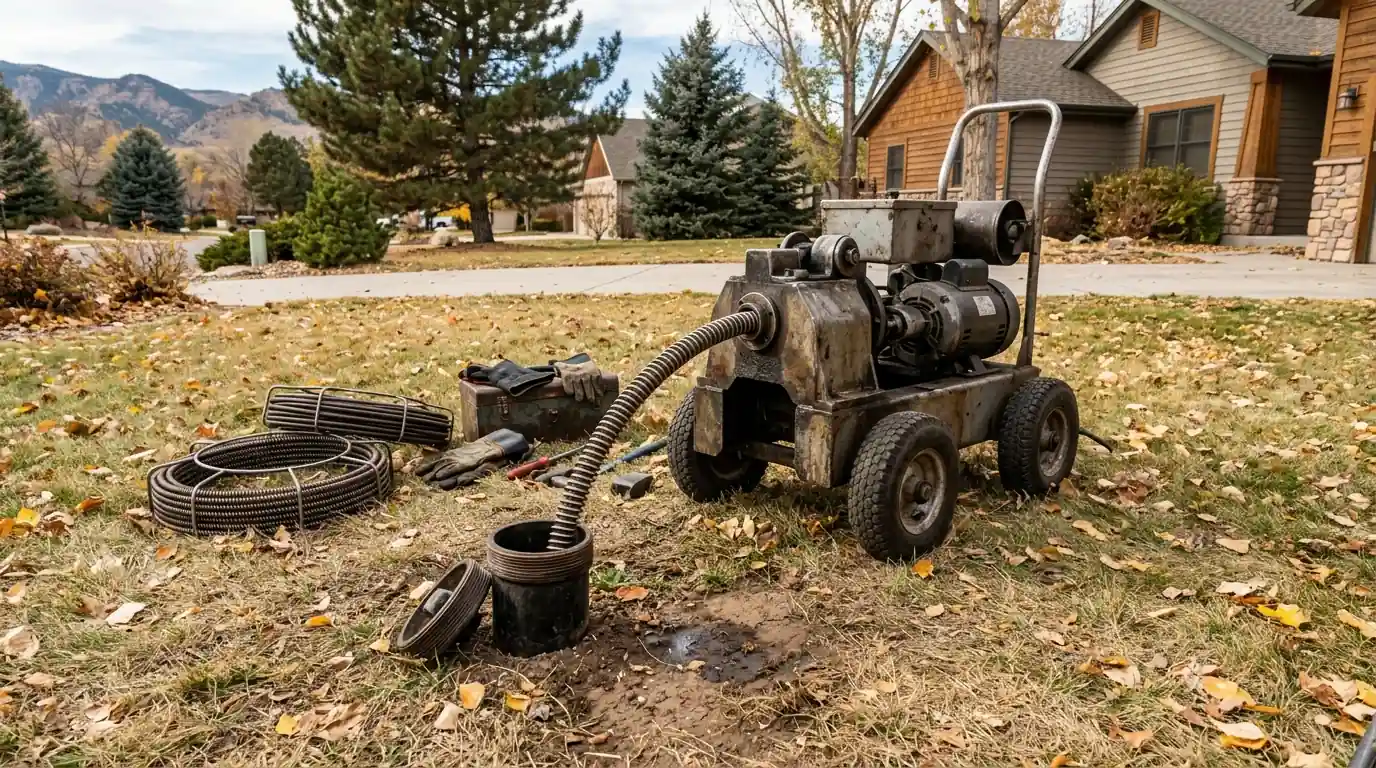
Main Sewer Line Cleaning
Backups at the lowest drain, tree roots and buildup cleared from the main lateral between your house and the city main.
Learn more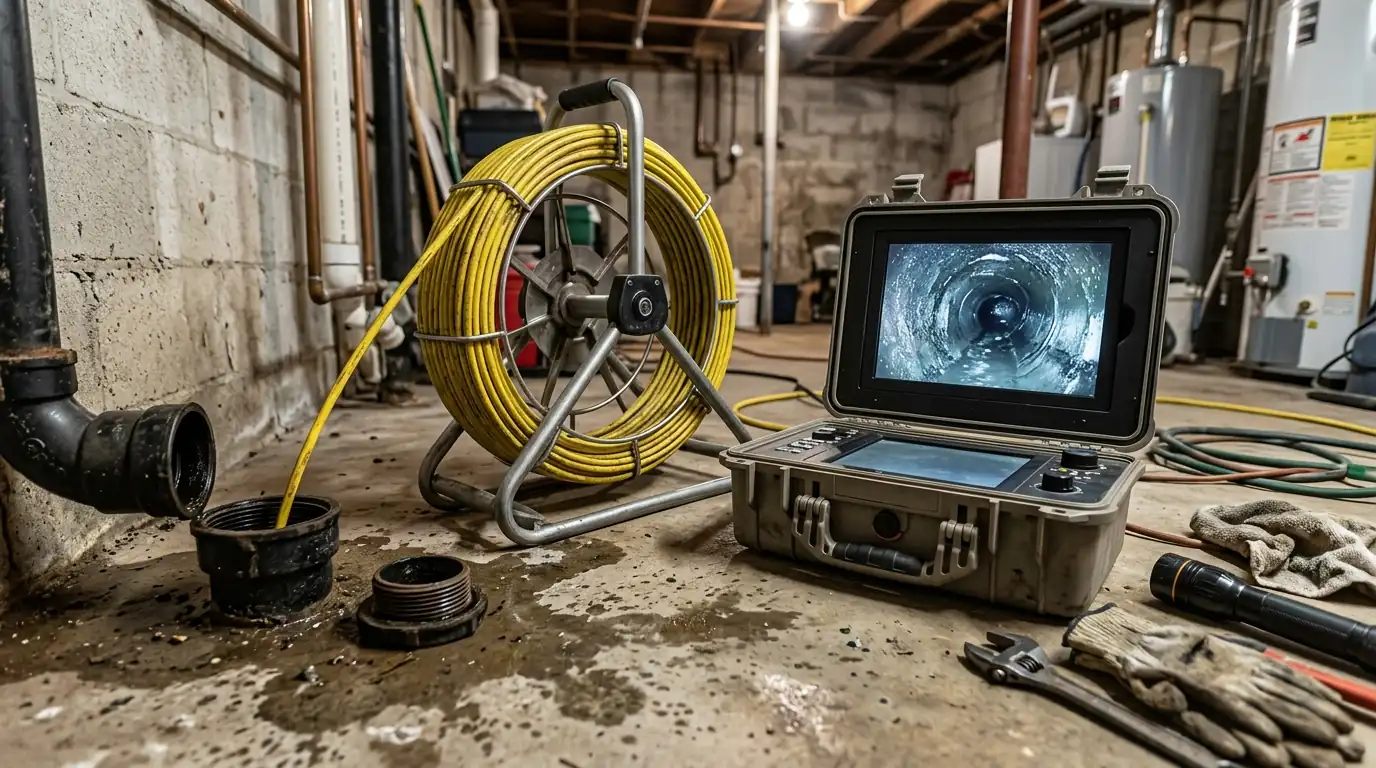
Sewer Camera Inspection
A waterproof camera shows roots, cracks, sags and pipe material in your sewer line, with recorded video you keep.
Learn more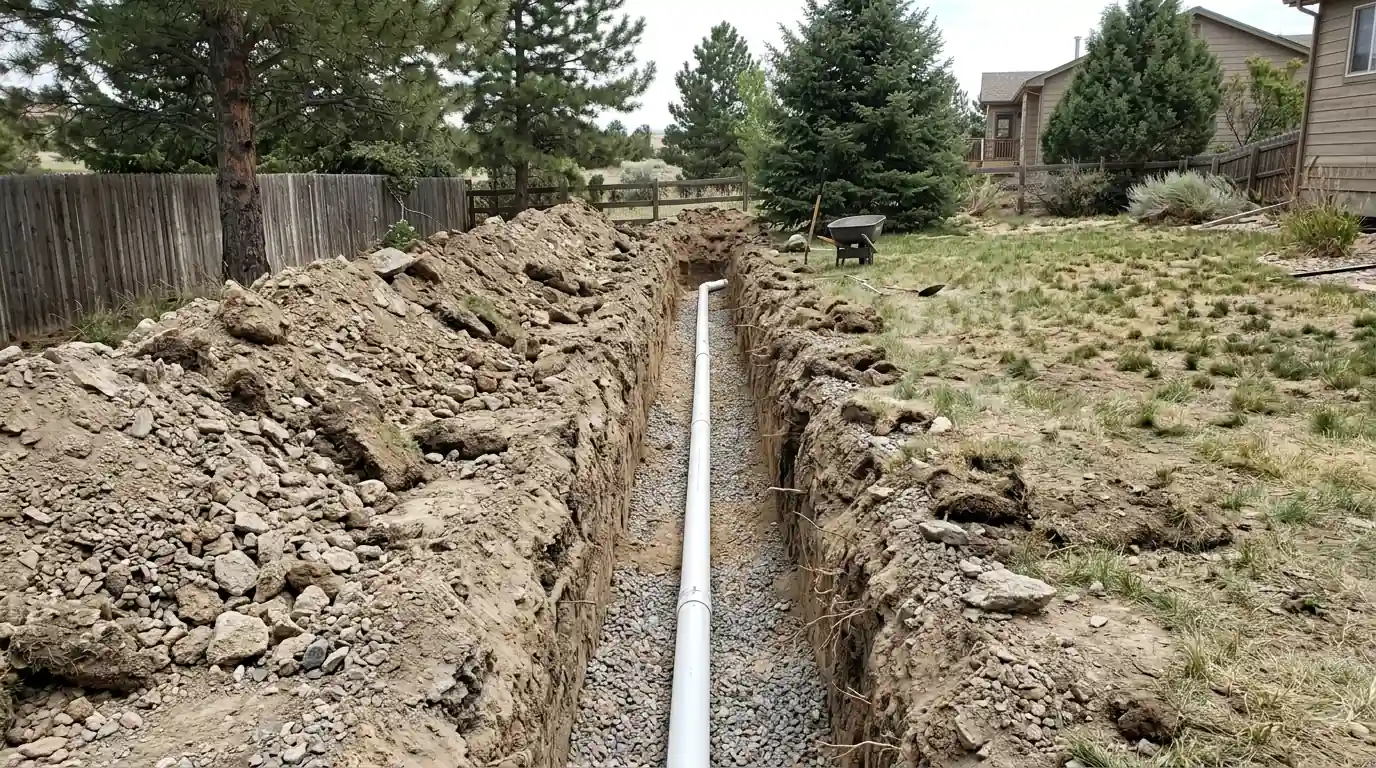
Sewer Line Replacement
Worn out clay, cast iron or Orangeburg laterals replaced end to end, by open trench or trenchless method.
Learn more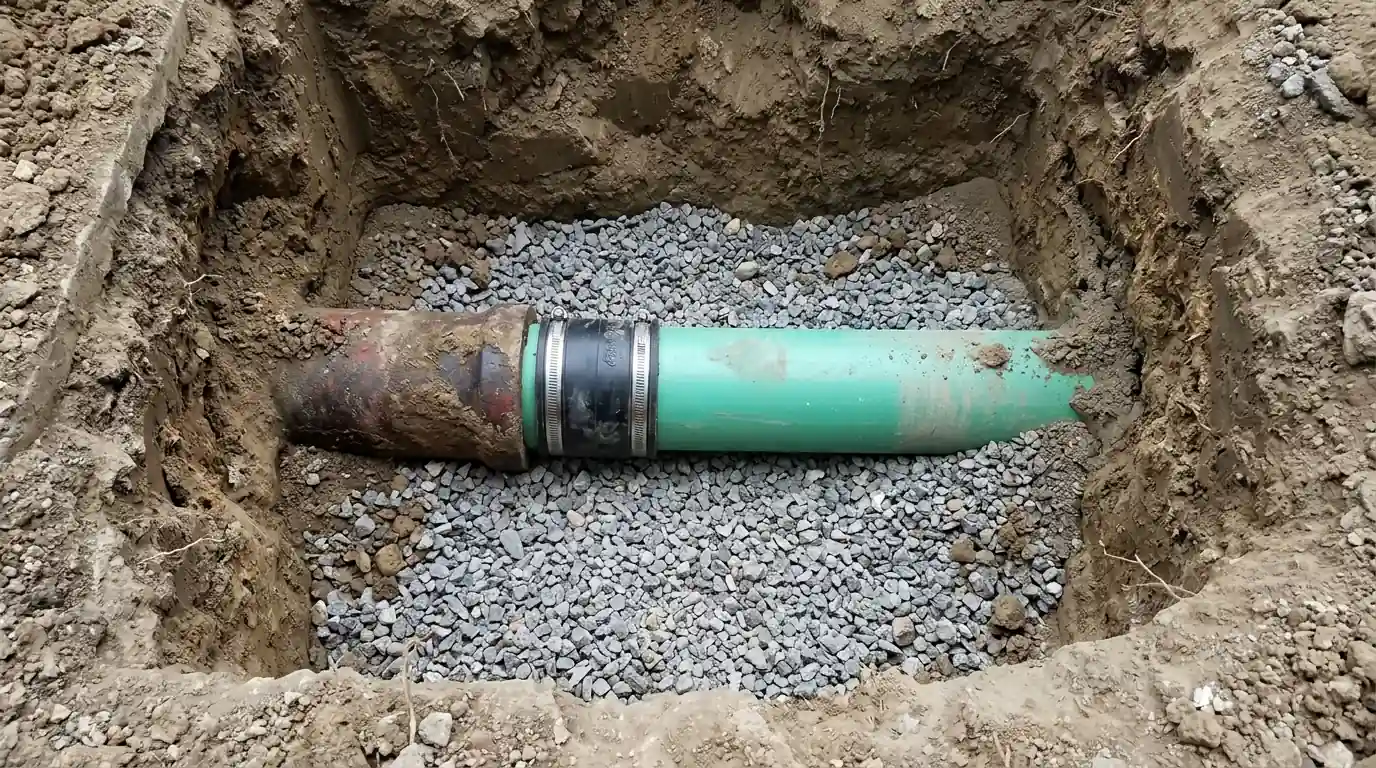
Sewer Line Repair
A cracked, offset or sagging section of sewer pipe dug up and replaced on its own, without redoing the whole line.
Learn moreCoverage
Where we do sewer cleanout installation around Aurora
These neighborhoods and nearby cities cover most of the households we serve. Not listed? Call and ask.
- Original Aurora, Aurora 80010
- Del Mar, Aurora 80010
- Hoffman Heights, Aurora 80011
- Aurora Hills, Aurora 80012
- Village East, Aurora 80012
- Willow Park, Aurora 80012
- Aurora Knolls, Aurora 80012
- Heather Gardens, Aurora 80014
- Aurora 80012
- Denver 80202
- Centennial 80112
- Parker 80134
- Englewood 80110
- Littleton 80120
- Greenwood Village 80111
- Lone Tree 80124
Need help with sewer cleanout installation?
Call any time, day or night. A real person answers and tells you what happens next.