Leaks & pipes
Pressure reducing valve service in Aurora, CO
Water pressure that is too high wears out faucets, toilet fill valves and water heaters long before their time. We test your pressure, adjust or replace the pressure reducing valve, and leave the house at a steady, comfortable setting.
SERVICE PLATE
- Service
- Pressure Reducing Valves
- Typical range
- $135 to $245
- Area
- Aurora and the east metro
- Hours
- Answered 24/7
- Phone
- (720) 894-1012
Brands we work on every week
A pressure reducing valve, or PRV, sits near your main shutoff and lowers incoming city pressure to a safe level for the house. When it wears out, pressure can creep high and damage fixtures, or drop low and weaken every shower. We test with a gauge, adjust the valve if it still works, and replace it if it doesn't.
What a pressure reducing valve actually does
City water often arrives at a higher pressure than a house needs, because the supply system has to push water uphill and across long distances. A PRV uses a spring and a diaphragm to cut that pressure to a set level on the house side. Most homes run comfortably in the range of roughly 50 to 70 psi, and we usually aim near the middle.
The valve works quietly for years, then wears out. The diaphragm stiffens, the seat collects scale, and the spring weakens. Because the change happens slowly, many homeowners never notice until a fixture fails. A simple gauge test at a hose bib or laundry faucet tells us right away whether the valve is still doing its job.
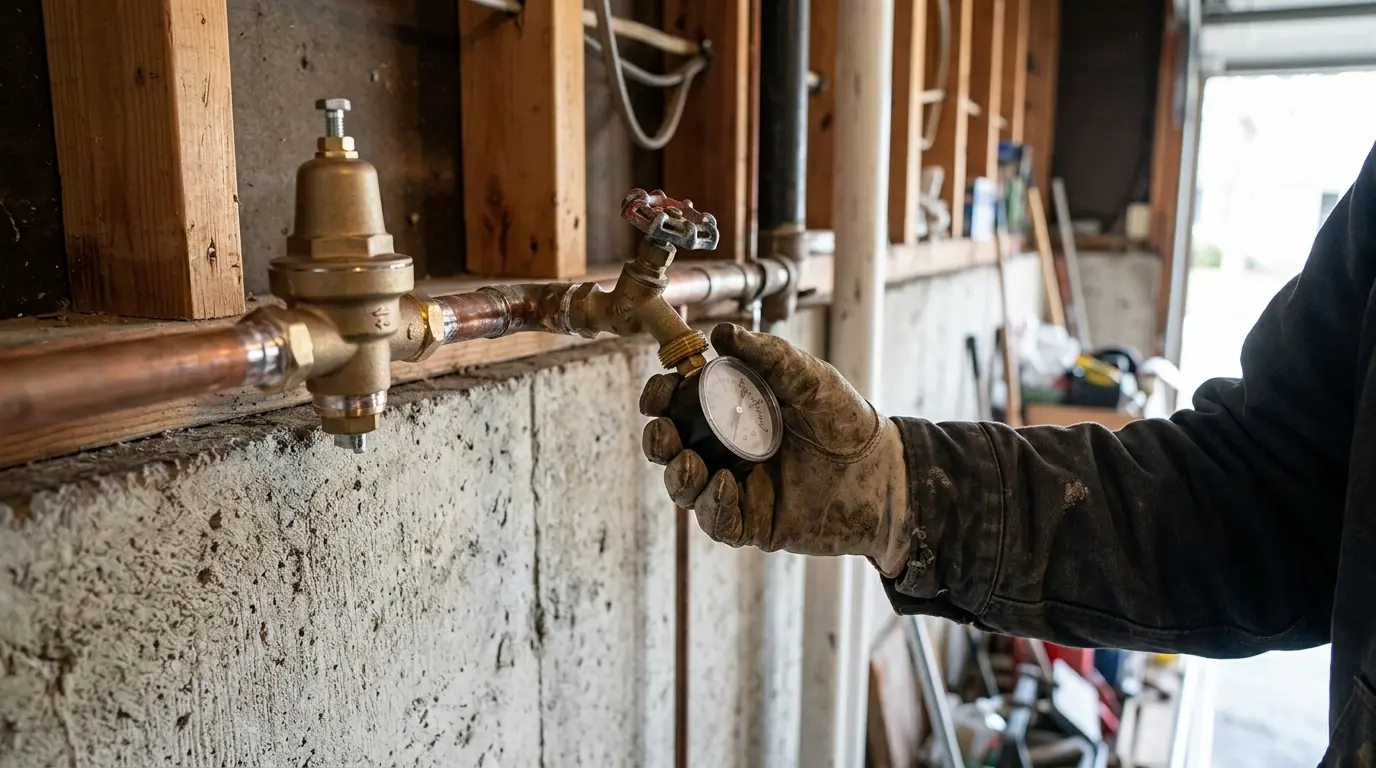
Adjust, rebuild or replace the valve?
If the PRV is fairly new and the pressure is only a little off, an adjustment of the screw on top may be all it needs. Some valves can be rebuilt with a cartridge kit, which replaces the worn internal parts without cutting the valve out of the line. We check the brand and model first, since parts aren't available for every valve.
Older valves, valves crusted with corrosion and valves that won't hold a setting after adjustment are better replaced. A new PRV goes in with unions or fittings that make future service easier, and we often add a gauge port so pressure is simple to check later. Replacing a failing valve costs far less than the leaks high pressure causes.
Why the PRV and the expansion tank go together
A PRV acts like a one-way gate, so water heated in your tank can't push back into the city main as it expands. That trapped expansion raises pressure every time the water heater runs. Without somewhere for it to go, pressure spikes can open the relief valve, stress fittings and shorten the life of the heater itself.
That is why we check for an expansion tank whenever we work on a PRV. If one exists, we test its air charge and set it to match the house pressure. If none is installed and the system is closed, we explain the reason one is needed and price it, so you can decide whether to handle both items in the same visit.
Warning signs
What too much or too little pressure looks like
Pipes bang when a valve closes
A sharp knock after the washing machine or dishwasher shuts off is water hammer. High pressure makes it louder and harder on every joint and fitting in the system.
Toilets run or hiss on their own
Fill valves are built for a normal pressure range. Too much pressure forces water past the seal, so the toilet refills every few minutes and wastes water all day.
The relief valve on the water heater drips
If the temperature and pressure relief valve weeps, house pressure may be too high, or thermal expansion has nowhere to go. Both point back to the PRV and the expansion tank.
Faucets spit and supply lines bulge
Sputtering aerators, bulging braided supply lines and washing machine hoses that fail early can all come from pressure well above what the fixtures were designed to handle.
Every shower feels weak at once
A PRV that has failed partly closed starves the whole house. If pressure dropped everywhere at the same time, the valve is one of the first places to look.
Pressure swings through the day
Strong pressure in the morning and weak pressure by evening, or the reverse, can mean the PRV's internal spring and seat are worn and no longer hold a steady setting.
Aurora notes
Pressure reducing valves in Aurora homes
Aurora Water supplies most homes in the city, and pressure at the street varies with your location and elevation within the system. Many Aurora houses have a PRV right after the main shutoff in the basement utility room, near the water heater and the floor drain. In newer homes with garage or closet water heaters, the PRV is often in that same space where the line enters.
Moderately hard water slowly leaves mineral deposits inside valves, so PRVs and fill valves in the area tend to wear sooner than in places with very soft water. Aurora's freezing winters matter too. A PRV in a cold crawlspace or an unheated garage is more likely to crack in a hard freeze, so we look at the valve location as well as the valve itself.
Step by step
Our steps for fixing household water pressure
- 01
Gauge test the house
We connect a pressure gauge at a hose bib or laundry faucet and read static pressure, then watch how it behaves when fixtures and the water heater run.
- 02
Inspect the valve and tank
We look at the PRV's age, setting, strainer and condition, and check the expansion tank's air charge if the house has one installed.
- 03
Recommend the fix
You hear whether an adjustment, a rebuild kit or a full replacement makes sense, with the price for each option before we start any work.
- 04
Install or adjust
We shut the water off, rebuild or replace the valve with service-friendly fittings, then set it to a comfortable pressure for your home and fixtures.
- 05
Confirm and record
We retest the pressure, check for leaks, run a few fixtures to watch for hammer and write the new setting where you can find it later.
Pricing
What does pressure reducing valve work cost in Aurora?
TYPICAL AURORA PRICE RANGES
| Pressure test and PRV adjustment | $135 to $245 |
|---|---|
| PRV rebuild with a cartridge kit | $215 to $395 |
| PRV replacement on accessible pipe | $465 to $865 |
| PRV replacement with added gauge and unions | $545 to $985 |
| Expansion tank added during PRV replacement | $285 to $535 |
These are typical ranges for Aurora homes, not a quote. The final price depends on your valve, the pipe around it and what we find during the pressure test.
- Valve size and brandValves for one inch lines cost more than three quarter inch valves, and some brands cost more for parts or rebuild kits.
- Pipe on each sideClean copper or PEX makes for a quick swap. Corroded galvanized pipe around the valve may need a short section replaced.
- LocationA valve in an open utility room is fast to reach. One inside a finished wall, crawlspace or meter pit takes longer to service.
- Related partsA failed main shutoff, a worn expansion tank or a dripping relief valve may need attention at the same time to fix the root problem.
Compare more jobs in our plumbing price guide.
Questions
Pressure Reducing Valves questions from Aurora homeowners
What water pressure should my Aurora house be set to?
Most homes do well somewhere around 50 to 70 psi. Lower settings are gentler on fixtures, while higher settings feel stronger in the shower. We test your current pressure, ask how you use water, and set the valve to a level that balances comfort with longer life for your fixtures and appliances.
How long does a pressure reducing valve usually last?
Many last somewhere around ten to fifteen years, but hard water, high street pressure and frequent pressure spikes can shorten that. The valve rarely fails all at once. Pressure usually creeps up or swings over months, so a quick gauge test every year or two catches the problem early.
Can I adjust my PRV myself with a wrench?
You can turn the adjusting screw, but do it with a gauge attached so you know where you are ending up. If small turns don't change the reading, or the pressure drifts back the next day, the valve is worn internally and adjustment alone won't fix it.
Does a new PRV fix water hammer in the walls?
Often it reduces hammer a lot, because lower pressure means less force when a valve snaps shut. Loose pipe straps and quick-closing appliance valves can still cause knocking, so we check those too. Sometimes a small arrestor at the washer or dishwasher finishes the job.
Why did my water heater start leaking at the relief valve after the PRV was replaced?
A new PRV can close off the house more tightly than the worn one did, so expansion from heated water has nowhere to go. That pressure lifts the relief valve. An expansion tank set to match house pressure usually solves it, and we check for one whenever we install a valve.
Related work
Other plumbing jobs that often go with this one
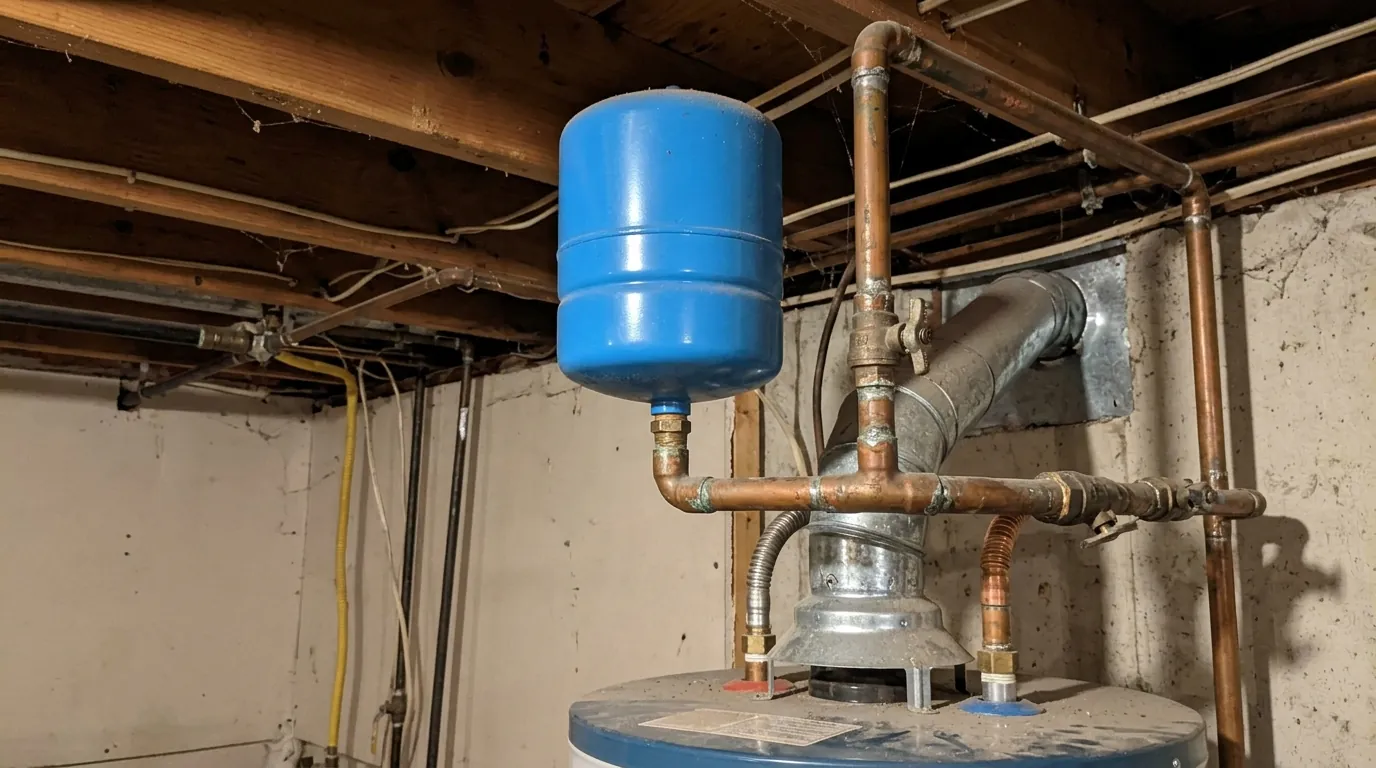
Expansion Tank Installation
Thermal expansion tanks sized and pre-charged to your water pressure, protecting the water heater, valves and fixtures.
Learn more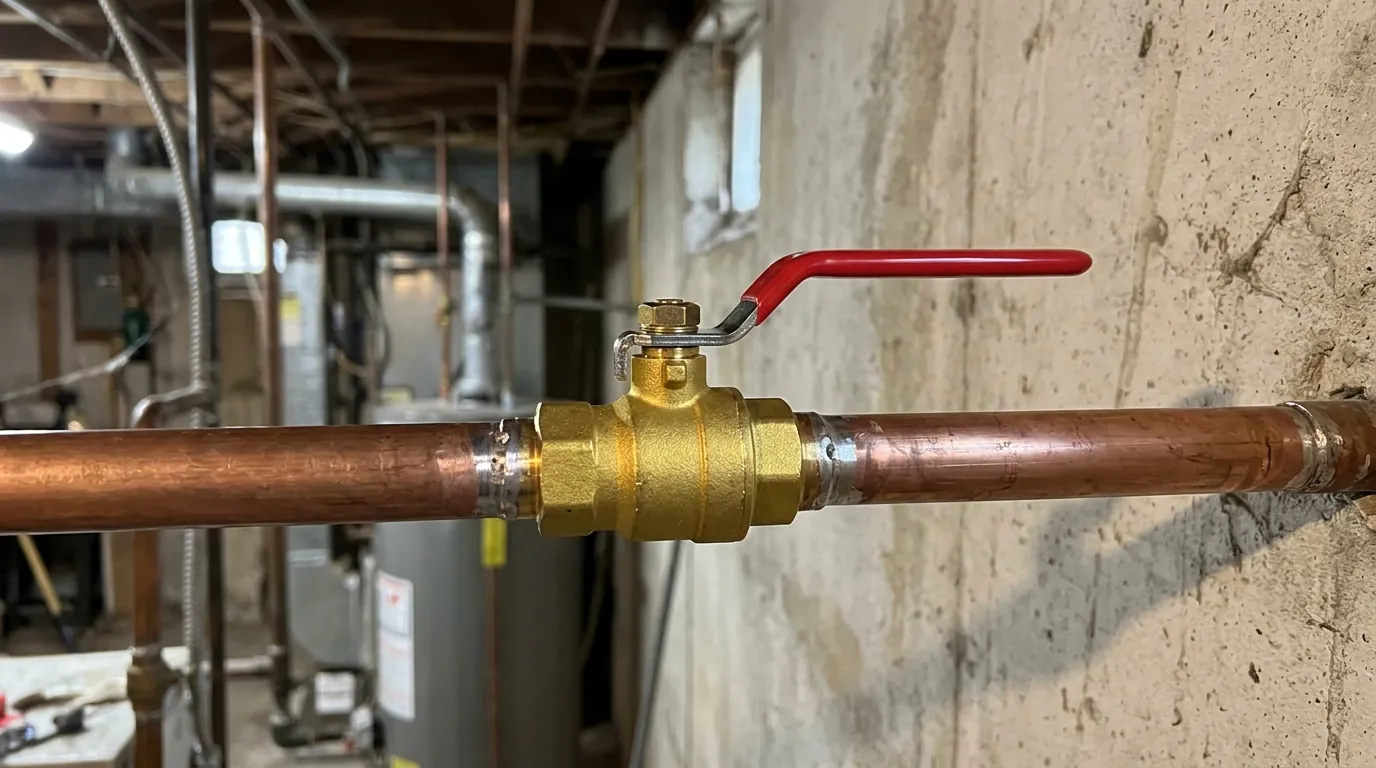
Shut-Off Valve Replacement
Swap seized gate valves and leaky fixture stops for quarter-turn ball valves you can close fast in an emergency.
Learn more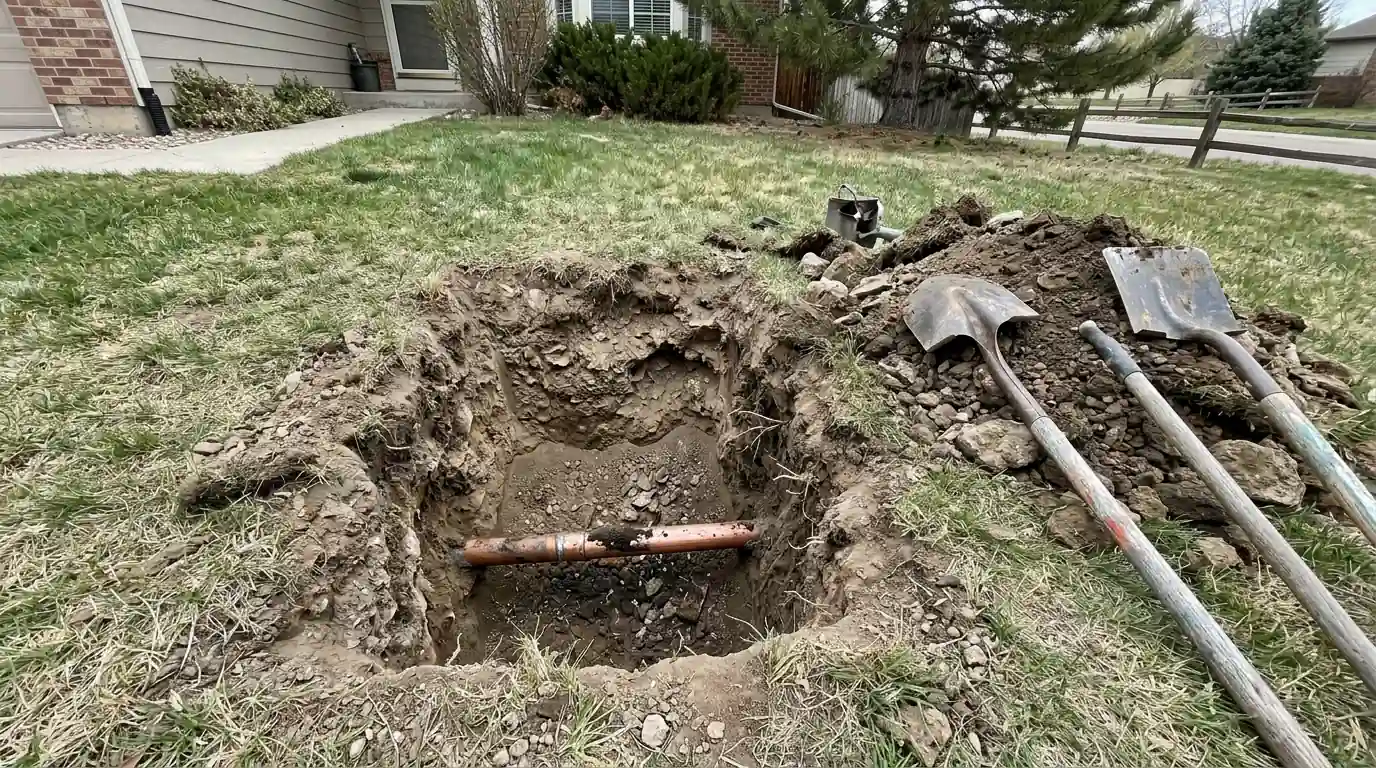
Main Water Line Repair & Replacement
Repair or replace the buried water service line between your meter and house when it leaks, breaks or loses pressure.
Learn more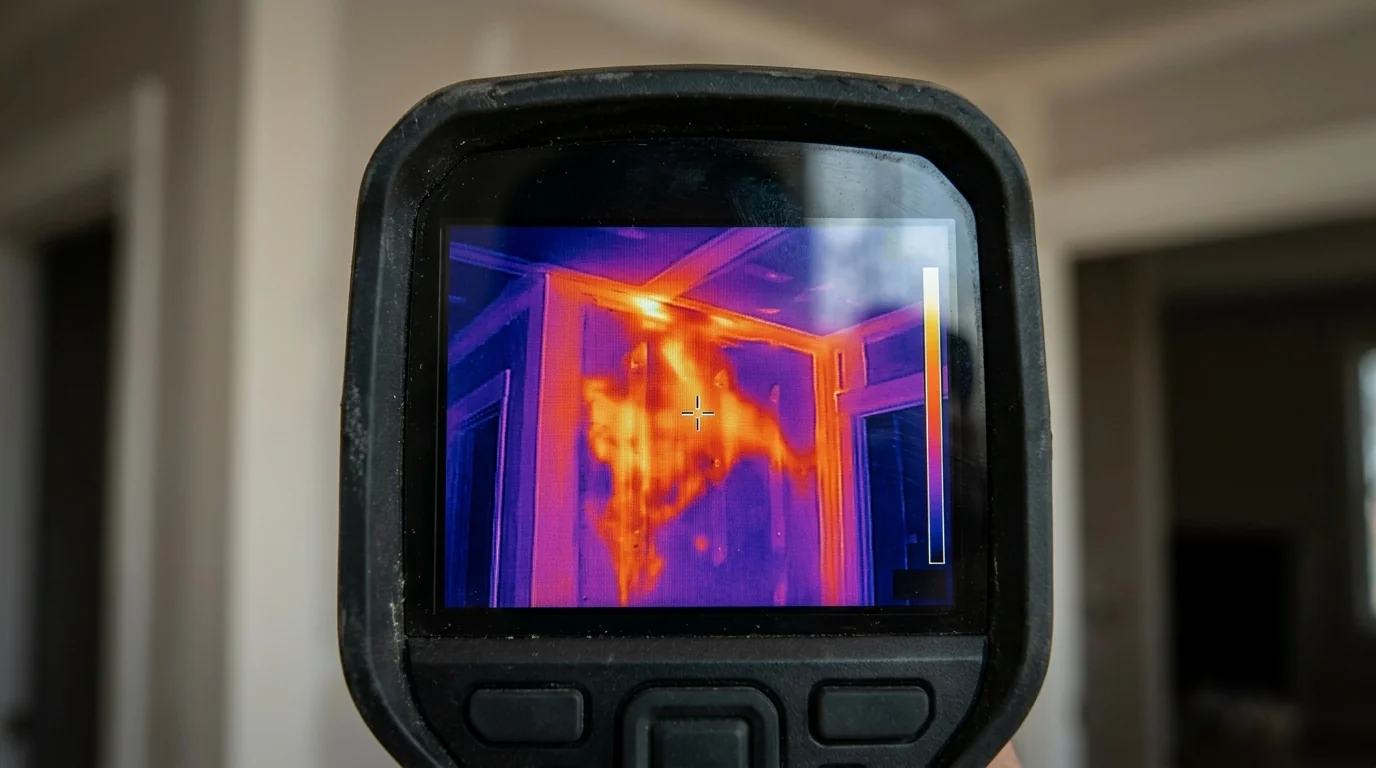
Leak Detection
Hidden water leaks pinpointed inside walls, ceilings, floors and yards with acoustic, thermal and pressure testing, with minimal opening up.
Learn moreCoverage
Where we do pressure reducing valves around Aurora
These neighborhoods and nearby cities cover most of the households we serve. Not listed? Call and ask.
- Original Aurora, Aurora 80010
- Del Mar, Aurora 80010
- Hoffman Heights, Aurora 80011
- Aurora Hills, Aurora 80012
- Village East, Aurora 80012
- Willow Park, Aurora 80012
- Aurora Knolls, Aurora 80012
- Heather Gardens, Aurora 80014
- Aurora 80012
- Denver 80202
- Centennial 80112
- Parker 80134
- Englewood 80110
- Littleton 80120
- Greenwood Village 80111
- Lone Tree 80124
Need help with pressure reducing valves?
Call any time, day or night. A real person answers and tells you what happens next.