Gas, water quality & more
Whole-home plumbing inspection in Aurora, CO
Most plumbing disasters start as small problems nobody noticed, like a weeping valve, a corroded fitting or water pressure that is quietly too high. A whole-home inspection finds those issues while they are cheap to fix and gives you a clear list.
SERVICE PLATE
- Service
- Whole-Home Plumbing Inspection
- Typical range
- $185 to $365
- Area
- Aurora and the east metro
- Hours
- Answered 24/7
- Phone
- (720) 894-1012
Brands we work on every week
A whole-home plumbing inspection is a detailed look at every visible part of your plumbing: supply pipe material, shutoff valves, water pressure, the water heater, fixtures, drains and visible gas piping, with an optional sewer camera. You get a written summary that sorts findings into urgent, soon and watch. It is most useful before buying an older home or after moving in.
What our plumbers check, room by room
We start at the main shutoff and water meter side of the house, test static water pressure and check the pressure reducing valve if there is one. Then we identify supply pipe materials throughout, look for corrosion, mixed metals and stressed fittings, and operate the main shutoff and fixture valves to see whether they still close.
Next come the fixtures: toilets for leaks and stability, faucets and shower valves for drips and temperature control, and drains for flow and venting. We inspect the water heater's age, venting, relief valve and expansion tank. Visible gas piping and appliance connectors get a look and a leak check at accessible joints. Exterior hose bibs and the sprinkler backflow are checked too.
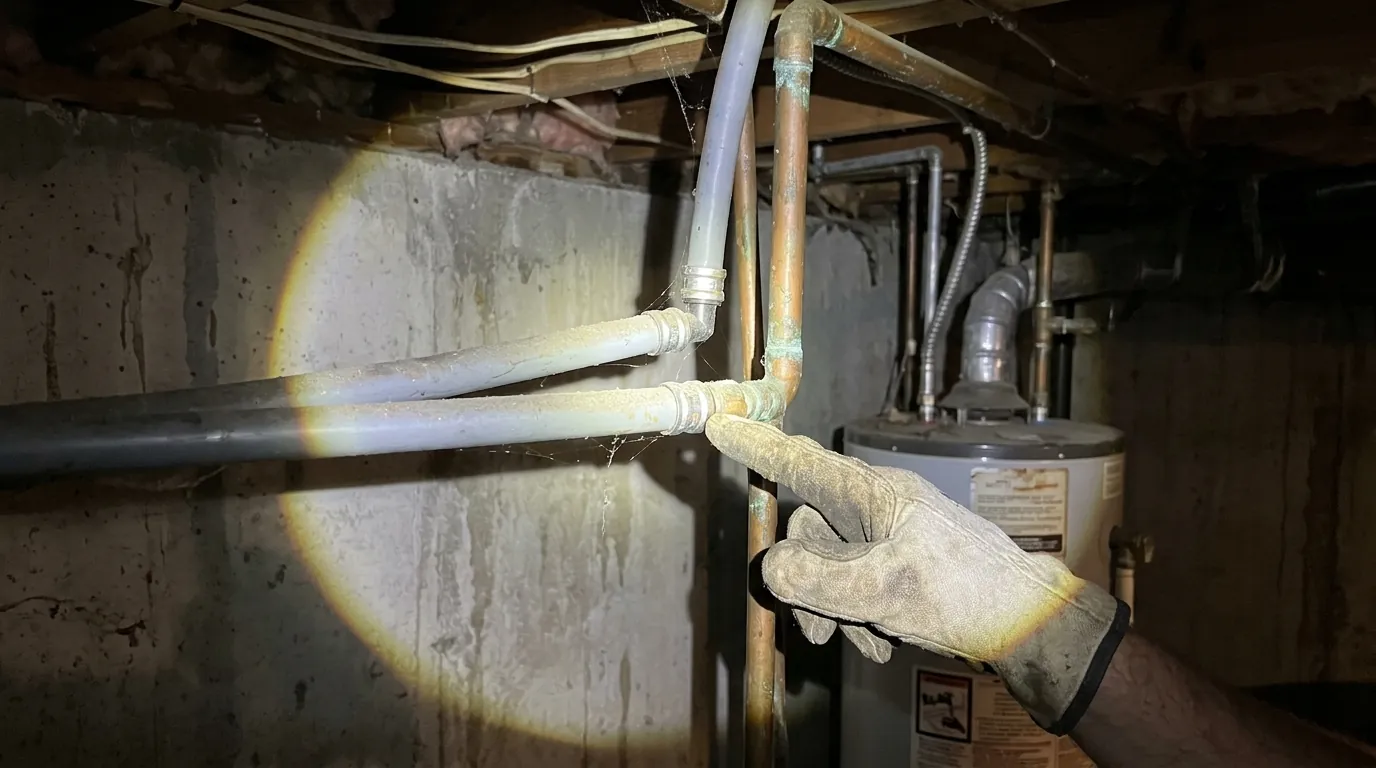
Adding a sewer camera to the inspection
The single largest plumbing expense in many older homes is the sewer lateral, the buried pipe from the house to the city main, and it can't be seen without a camera. We run a camera from an accessible cleanout and record the pipe's material, joints, sags, cracks and any root intrusion along its length.
For buyers of older homes, the camera is often the most valuable part of the inspection. A cracked clay lateral or a badly sagging section can cost thousands to fix. Seeing it before closing gives you options: ask for a repair, negotiate the price or plan the work. We share the video so you can see what we saw.
A report you can act on
After the inspection we give you a written summary in plain language, sorted by priority. Urgent items are things like active leaks, a failing relief valve or gas connector problems. Soon items might be a water heater at the end of its typical life or high pressure. Watch items are worth tracking but don't need action yet.
Each finding comes with a short explanation of why it matters and, when it helps, a typical price range for fixing it. There is no pressure to have us do the repairs. Many buyers hand the report to their agent, and many owners use it to plan maintenance over the next year or two.
Warning signs
Good times to book a plumbing inspection
You are under contract on a home
A general home inspection touches on plumbing, but a plumber looks deeper. Knowing about polybutylene, an aging water heater or a bad lateral can change your negotiation.
You just moved into an older house
Even if you skipped it before closing, a checkup in the first months tells you what the previous owner lived with and what to budget for next.
You are about to list your house
Finding and fixing issues before a buyer's inspector does keeps surprises out of the deal and avoids last minute repair credits.
The house sat empty for a while
Vacant homes develop dried out traps, seized valves and slow leaks that nobody noticed. A check before moving back in avoids a messy first week.
Water bills crept up with no clear reason
Running toilets, a dripping relief valve or a hidden leak can all raise usage. An inspection narrows down where the water is going.
You are planning a remodel
Knowing the condition of supply and drain lines before a kitchen or bath project helps you decide what to replace while walls are open.
Aurora notes
What inspections turn up in different parts of Aurora
House age shapes what we find. In Original Aurora near Colfax, 1940s and 1950s homes often have galvanized steel supply pipe and cast iron or clay sewer laterals, both nearing the end of their service lives. Central Aurora's 1960s and 1970s ranches and split-levels usually have copper supply, which holds up well, plus cast iron drains and aging laterals worth putting a camera through.
Southeast Aurora grew heavily in the 1980s and 1990s, and homes built roughly 1978 to 1995 may have gray polybutylene supply pipe, which is prone to failure, especially at fittings. Newer northeast and far southeast homes usually have PEX and PVC or ABS drains, where we focus more on water pressure, expansion tanks and installation quality. Expansive clay soils can also shift sewer lines and crack slabs over the years.
Step by step
What to expect on inspection day
- 01
Tell us about the house
The address, age, size and whether you want the sewer camera added let us plan the visit and give you an accurate price before we arrive.
- 02
We walk the whole system
Starting at the main shutoff, we check pressure, pipe materials, valves, fixtures, drains, the water heater and accessible gas piping.
- 03
We camera the sewer line if requested
From an accessible cleanout we inspect the lateral toward the city main, noting material, damage and roots along the way.
- 04
We talk through findings on site
Before we leave, we walk you through what we saw, what matters most and what can wait, so nothing in the report surprises you.
- 05
You receive the written summary
The report sorts items by priority with photos where useful, plus sewer video if the camera was part of the inspection.
Pricing
What a whole-home plumbing inspection costs in Aurora
TYPICAL AURORA PRICE RANGES
| Whole-home plumbing inspection for a typical house | $185 to $365 |
|---|---|
| Plumbing inspection with sewer camera of the lateral | $345 to $585 |
| Sewer camera inspection only | $215 to $385 |
| Larger home or multiple water heaters | $285 to $545 |
These are typical Aurora ranges, not a quote. Your price depends on the home and on what we find during the walk-through.
- Size of the homeMore bathrooms, fixtures and square footage mean more to check, and a bigger house takes longer to inspect properly.
- Sewer camera accessA clean, accessible cleanout makes camera work fast. If we need to pull a toilet to reach the line, it adds time.
- Age and complexityOlder homes with mixed pipe materials and past additions take more time to document than a newer, simpler system.
- TimingReal estate inspections often need quick turnaround. We tell you upfront if a rush schedule changes the price.
Compare more jobs in our plumbing price guide.
Questions
Whole-Home Plumbing Inspection questions from Aurora homeowners
Is a plumbing inspection different from a general home inspection?
Yes. A general home inspector covers many systems at once and looks at plumbing at a basic level. We spend the whole visit on plumbing: testing pressure, operating valves, identifying pipe materials, checking the water heater closely and, with the camera option, looking inside the sewer line. It is a deeper, more specific look.
Should I get a sewer camera inspection before buying an older Aurora home?
For homes built decades ago, especially those with clay or cast iron laterals, we strongly suggest it. The sewer line from the house to the city main is generally the homeowner's responsibility, and replacing it can be expensive. A camera inspection before closing shows you what you are taking on.
How can I tell if a house has polybutylene pipe?
Polybutylene is usually gray plastic supply pipe, sometimes with plastic or copper crimp fittings, and it was installed in many homes built roughly 1978 to 1995. Look near the water heater, under sinks and at the main shutoff. During an inspection we identify it and check the fittings, which are the usual failure point.
How long does a whole-home plumbing inspection take?
For a typical single family home, plan on about one to two hours, longer if the sewer camera is added or the house is large. We prefer not to rush it, since the point is to find the small things. You are welcome to follow along and ask questions as we go.
Will you fix problems the plumbing inspection finds?
We can, if you want us to, and we give you prices for each item. You are free to use the report however you like, including handing it to the seller or getting other estimates. Urgent safety items, like a gas leak or a stuck relief valve, should be addressed right away by someone.
Related work
Other plumbing jobs that often go with this one
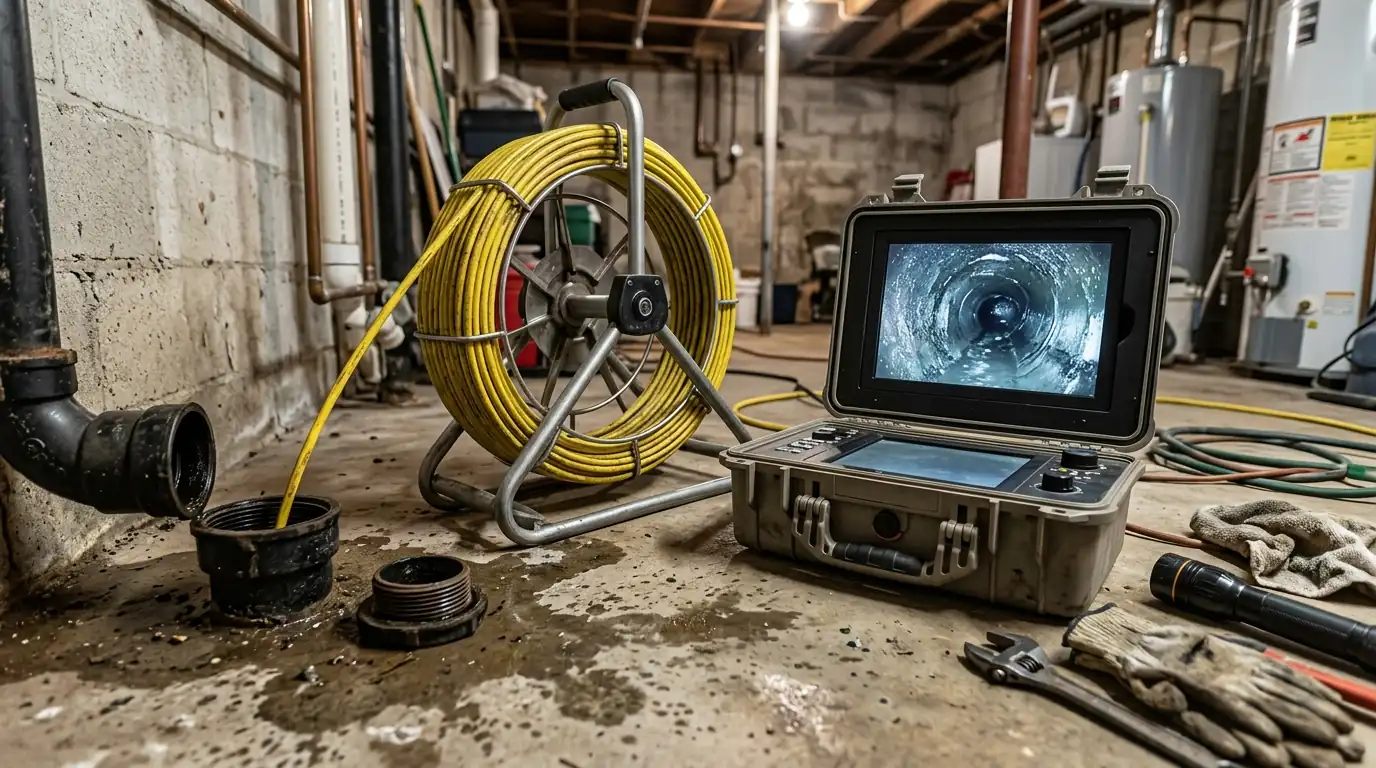
Sewer Camera Inspection
A waterproof camera shows roots, cracks, sags and pipe material in your sewer line, with recorded video you keep.
Learn more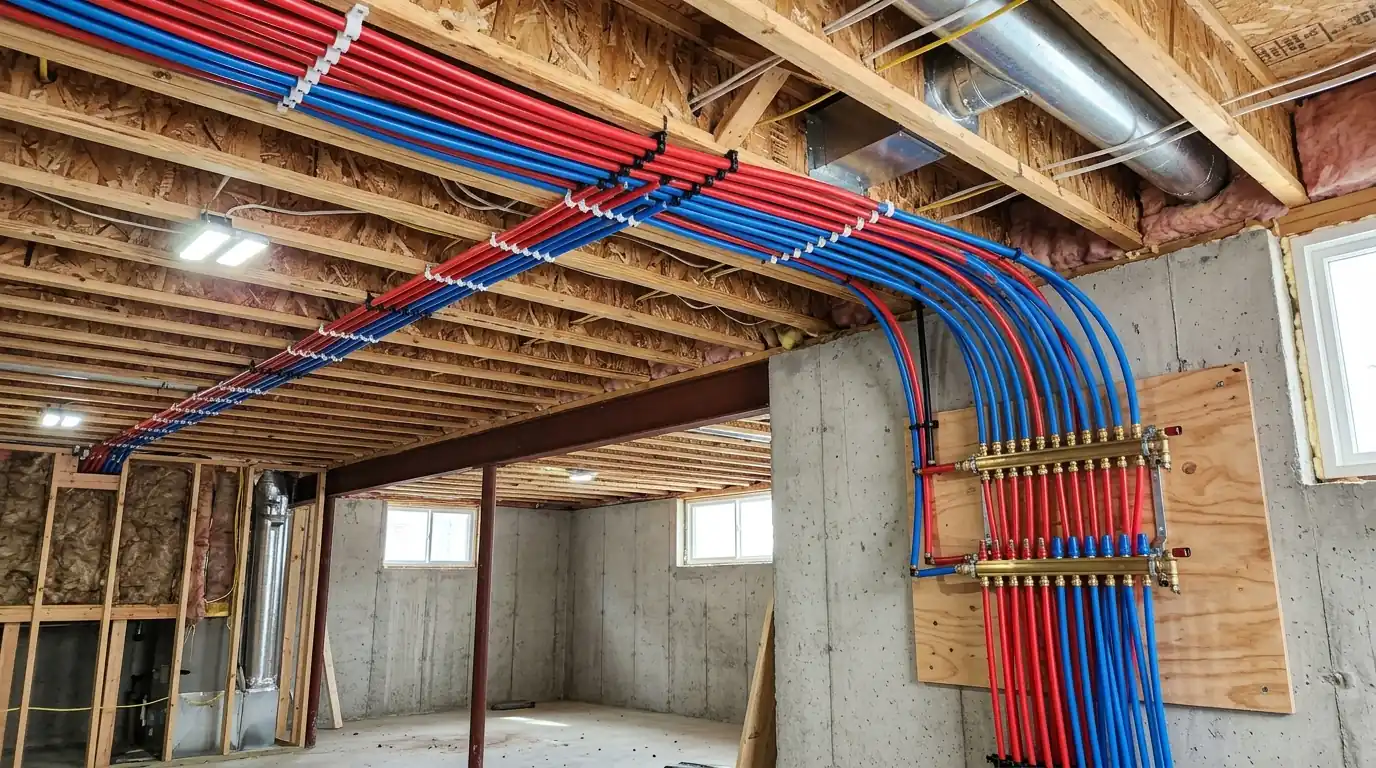
Whole-House Repiping
Replace failing galvanized, polybutylene or pinholed copper supply pipe with new PEX or copper throughout the whole house.
Learn more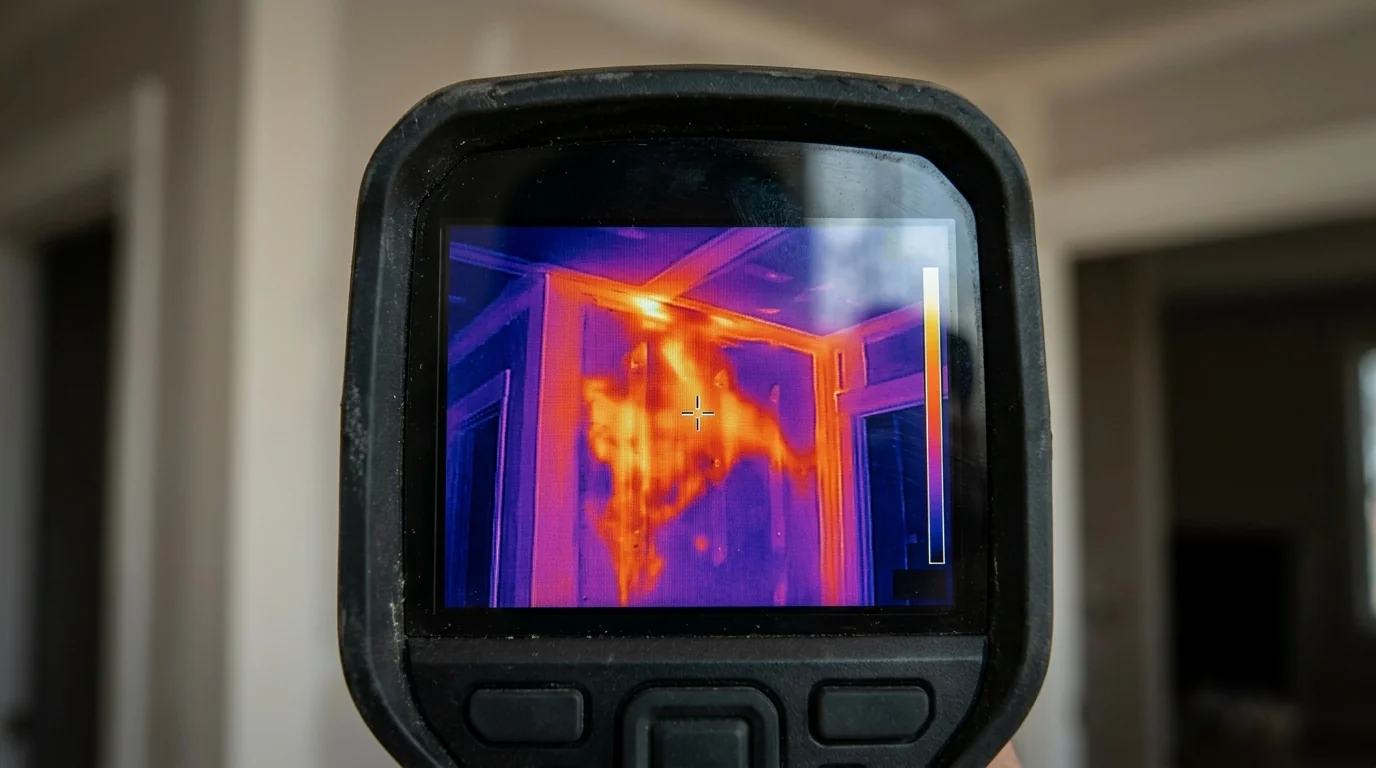
Leak Detection
Hidden water leaks pinpointed inside walls, ceilings, floors and yards with acoustic, thermal and pressure testing, with minimal opening up.
Learn more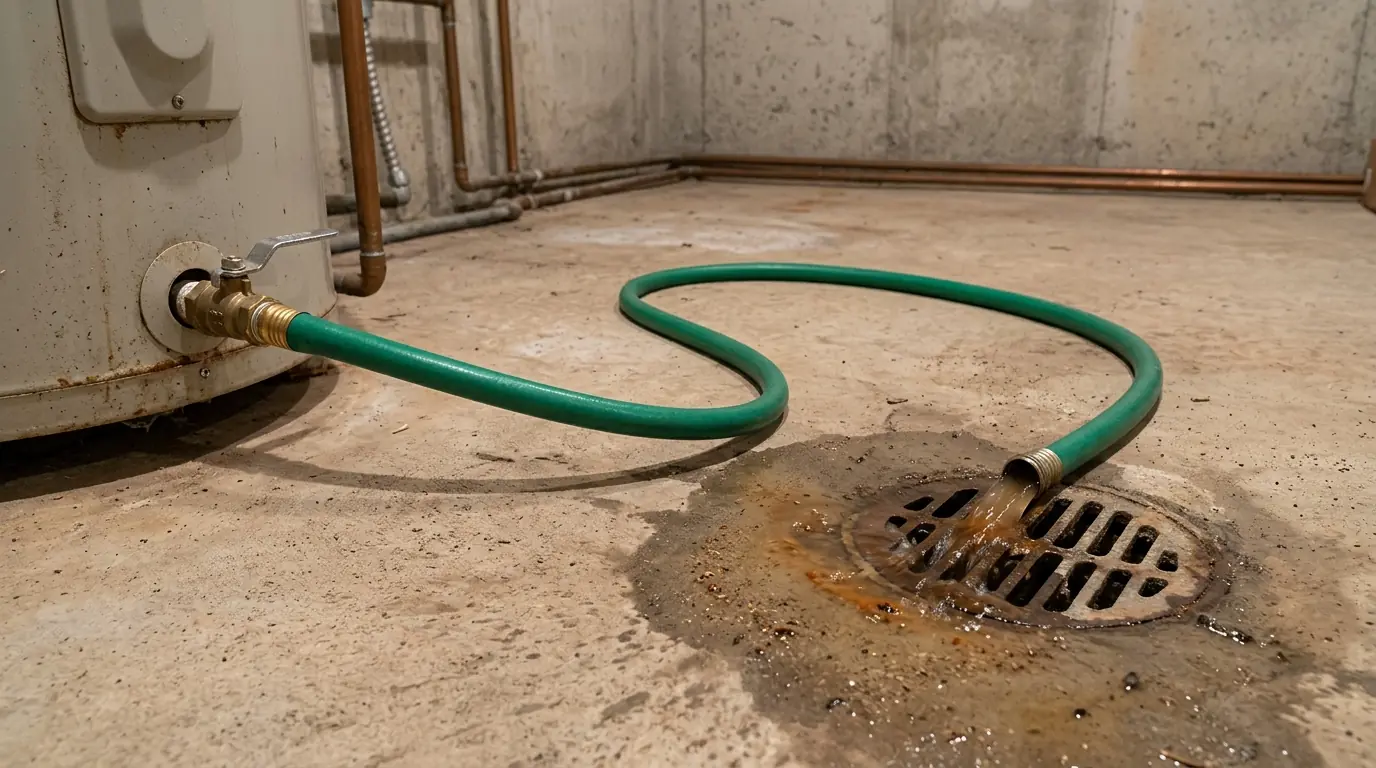
Water Heater Flush & Maintenance
Yearly tank flushing, anode rod checks and relief valve testing that keep a water heater running longer and quieter.
Learn moreCoverage
Where we do whole-home plumbing inspection around Aurora
These neighborhoods and nearby cities cover most of the households we serve. Not listed? Call and ask.
- Original Aurora, Aurora 80010
- Del Mar, Aurora 80010
- Hoffman Heights, Aurora 80011
- Aurora Hills, Aurora 80012
- Village East, Aurora 80012
- Willow Park, Aurora 80012
- Aurora Knolls, Aurora 80012
- Heather Gardens, Aurora 80014
- Aurora 80012
- Denver 80202
- Centennial 80112
- Parker 80134
- Englewood 80110
- Littleton 80120
- Greenwood Village 80111
- Lone Tree 80124
Need help with whole-home plumbing inspection?
Call any time, day or night. A real person answers and tells you what happens next.