Leaks & pipes
Pipe freeze protection in Aurora, CO
Pipes that run through cold walls, garages or crawlspaces are at risk every time a hard freeze rolls in. We find the vulnerable runs and protect them with insulation, heat cable or rerouting before winter does the damage.
SERVICE PLATE
- Service
- Pipe Freeze Protection
- Typical range
- $125 to $245
- Area
- Aurora and the east metro
- Hours
- Answered 24/7
- Phone
- (720) 894-1012
Brands we work on every week
Freeze protection means finding the pipes most exposed to cold and fixing the cause: insulating them, sealing the air leaks around them, adding thermostatically controlled heat cable or moving them to a warmer wall. A walkthrough in Aurora usually costs $125 to $245, and most protection work runs a few hundred dollars per problem area.
Insulation and air sealing come first
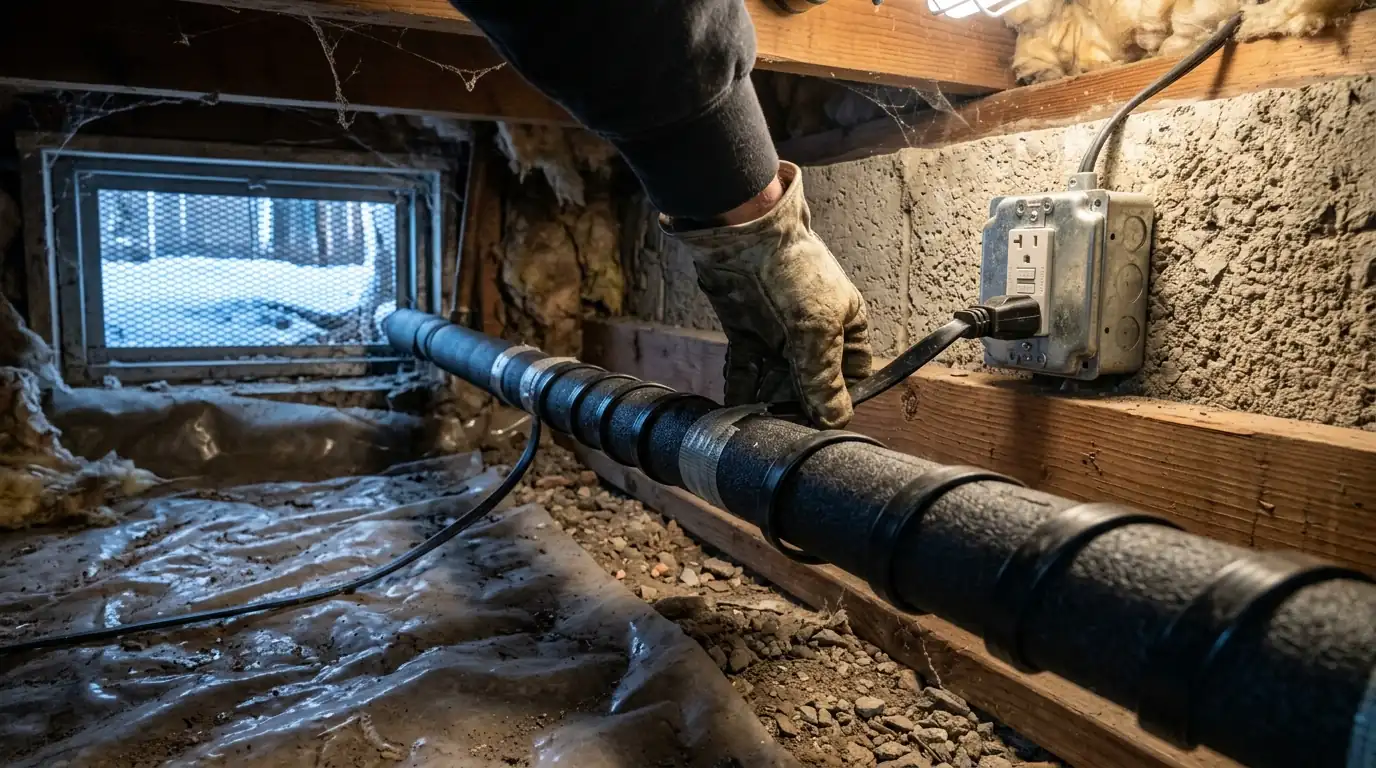
Pipe insulation slows heat loss, but it does not create heat. On its own, foam sleeves around a pipe in a cold wall buy time before freezing rather than preventing it. The bigger gain often comes from sealing the air leaks that let cold air reach the pipe, such as gaps at the rim joist, around wall penetrations or where a line passes into a garage.
We use closed-cell foam sleeves sized to the pipe, seal joints and elbows so there are no bare spots, and spray foam or caulk the gaps where outside air gets in. In crawlspaces and garages, we pay attention to the spots near vents and doors, where cold air hits the pipes directly during a storm.
When heat cable is the right answer
For pipes that cannot be moved or kept warm enough with insulation alone, a self-regulating heat cable adds heat when it is needed. It runs along the pipe under the insulation and warms more as the pipe gets colder. Unlike older constant-wattage tape, self-regulating cable does not overheat where it overlaps and uses less power in mild weather.
Heat cable needs a properly grounded outlet nearby, ideally a GFCI-protected circuit. We install it on accessible runs in crawlspaces, garages and unfinished basements. It is not a fix for lines buried inside finished walls, and it does nothing during a power outage, so we still recommend insulation and sealing alongside it.
Rerouting and winter shutdown plans
Sometimes the most reliable protection is moving the pipe. A kitchen supply line that runs up an outside wall can often be rerouted through an interior wall or cabinet base. A bathroom line through a cold garage ceiling can sometimes be shifted into heated space. It costs more up front, but it ends the freeze problem for good.
For homes left empty in winter, we set up a shutdown plan: closing the main, draining the lines, setting the water heater to vacation mode and leaving the heat at a safe setting. For vacation homes or long trips, we can blow out the lines with air and add antifreeze to traps, so a furnace failure does not turn into a flood.
Warning signs
Which pipes in your home are most at risk?
Lines in exterior walls
Kitchen and bathroom supply lines on outside walls sit inches from the cold, especially in older homes with thin insulation or gaps around outlets and windows.
Pipes in garages and crawlspaces
Unheated spaces can drop near outdoor temperatures during a cold front. Supply lines, water heater connections and laundry lines there are common freeze points.
Hose bibs without frost-free valves
Older outdoor spigots hold water right at the exterior wall. If a hose is left connected, even a frost-free sillcock can trap water and split inside.
Sprinkler supply and backflow devices
Irrigation backflow assemblies sit outside and freeze easily. Shutting them down and draining them before the first hard freeze prevents cracked bodies and costly spring repairs.
Plumbing over an unheated garage
Bathrooms above a garage often have supply and drain lines running through the cold ceiling space below, where insulation is often thin or missing.
Places where you have had a freeze before
Any pipe that froze once is likely to freeze again unless something changes, because the conditions that caused it are usually still there.
Aurora notes
What Aurora winters ask of your plumbing
Aurora winters often bring sudden arctic cold fronts with temperatures that can fall well below zero, sometimes after a string of mild days. The big swings between day and night also mean a pipe can freeze overnight even when afternoons feel comfortable. The usual victims are pipes in outside walls, garages, crawlspaces and attics, along with hose bibs and sprinkler backflow devices.
Aurora Water requires backflow assemblies on sprinkler systems to be tested, and spring start-up is when most owners schedule it. A backflow device that cracked over winter has to be repaired before it can pass, so shutting it down and draining it properly in fall saves that cost. Many newer homes have water heaters in garages, which puts their supply lines and valves in one of the coldest spots in the house.
Step by step
How a freeze protection visit works
- 01
Walk the cold spots
We check exterior walls, garages, crawlspaces, attics and outdoor fixtures, noting pipe material, exposure and any signs of past freezing.
- 02
Find the air leaks
We look for gaps at rim joists, vents and wall penetrations that let cold air reach the pipes, since sealing those often matters most.
- 03
Recommend the right fix
For each vulnerable run, we suggest insulation, heat cable, rerouting or a frost-free hose bib, with a price for each item so you can choose.
- 04
Install the protection
We fit insulation sleeves, seal gaps, install self-regulating heat cable where needed and replace old hose bibs with frost-free models.
- 05
Leave a winter checklist
You get a short list of what to do before a cold front: disconnecting hoses, opening cabinet doors, dripping certain faucets and safe thermostat settings.
Pricing
What freeze protection costs in Aurora
TYPICAL AURORA PRICE RANGES
| Freeze risk walkthrough of the home | $125 to $245 |
|---|---|
| Insulating and air sealing exposed pipe runs | $185 to $565 |
| Self-regulating heat cable on one pipe run | $265 to $645 |
| Frost-free hose bib replacement | $245 to $465 |
| Rerouting a supply line away from an exterior wall | $685 to $1,865 |
| Winterizing a vacant home's plumbing | $245 to $485 |
These ranges are typical for Aurora homes, not a quote. The final price depends on how many areas need work and what we find during the walkthrough.
- Number of vulnerable areasA home with one problem wall costs less to protect than one with exposed lines in a crawlspace, a garage and an attic.
- AccessOpen crawlspaces and unfinished basements are straightforward. Lines inside finished walls need drywall work or a reroute to be protected well.
- Power for heat cableHeat cable needs a grounded outlet nearby, ideally on a GFCI circuit. If none is available, adding one changes the cost.
- Pipe material and ageOld galvanized or polybutylene lines in cold areas may be better replaced than protected, which we point out during the walkthrough.
Compare more jobs in our plumbing price guide.
Questions
Pipe Freeze Protection questions from Aurora homeowners
Should I drip my faucets during an Aurora cold snap?
Dripping helps on faucets fed by pipes in outside walls or cold spaces. Moving water is harder to freeze, and an open faucet relieves pressure if ice forms. Open both hot and cold slightly. It costs a little water but far less than a burst pipe repair.
What thermostat setting keeps pipes safe when I travel?
Keeping the heat at least in the mid fifties is a common guideline, with cabinet doors on exterior walls left open. If you will be gone for a long stretch during deep cold, shutting off the main and draining the lines adds a strong layer of protection.
Does pipe insulation alone stop freezing?
Not by itself in deep cold. Insulation slows heat loss, so it buys time, but a pipe sitting in an unheated space will eventually reach the surrounding temperature. Combining insulation with air sealing, heat cable or a reroute is what keeps a vulnerable pipe from freezing.
How do I winterize a sprinkler backflow device?
Close the irrigation shutoff inside the house, open the drain and test cocks on the backflow assembly, and let the water out. Many owners also have the lines blown out with compressed air. Leaving the assembly full of water through winter is a common reason it cracks.
Is heat tape safe to leave plugged in all winter?
Self-regulating heat cable designed for pipes is meant to stay plugged in during cold months, because it adjusts its output to the temperature. Check it for damage each fall and use a GFCI-protected outlet. Older constant-wattage tape with worn or overlapped wraps can be a fire risk and should be replaced.
Related work
Other plumbing jobs that often go with this one
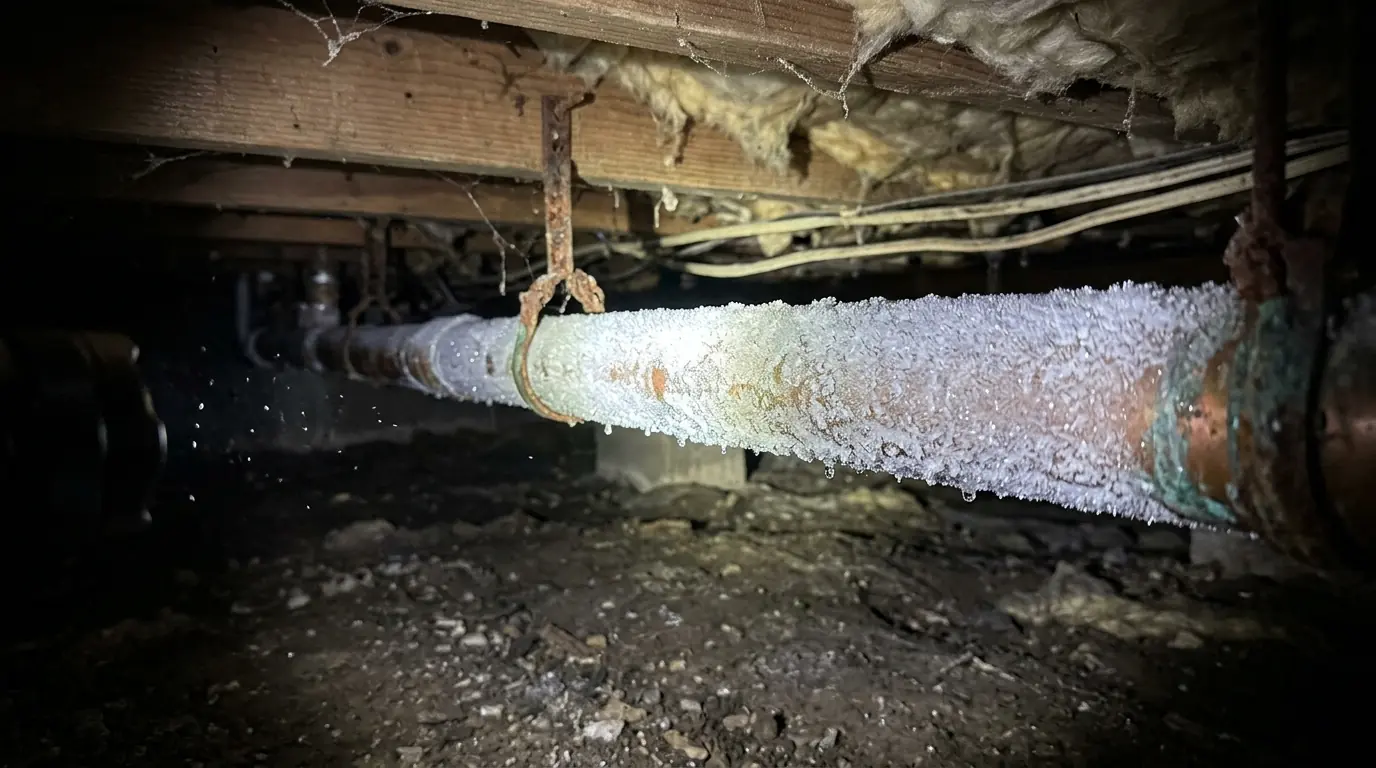
Frozen Pipe Thawing & Repair
Frozen water lines thawed safely without open flame, then checked for splits and repaired before the ice turns into a flood.
Learn more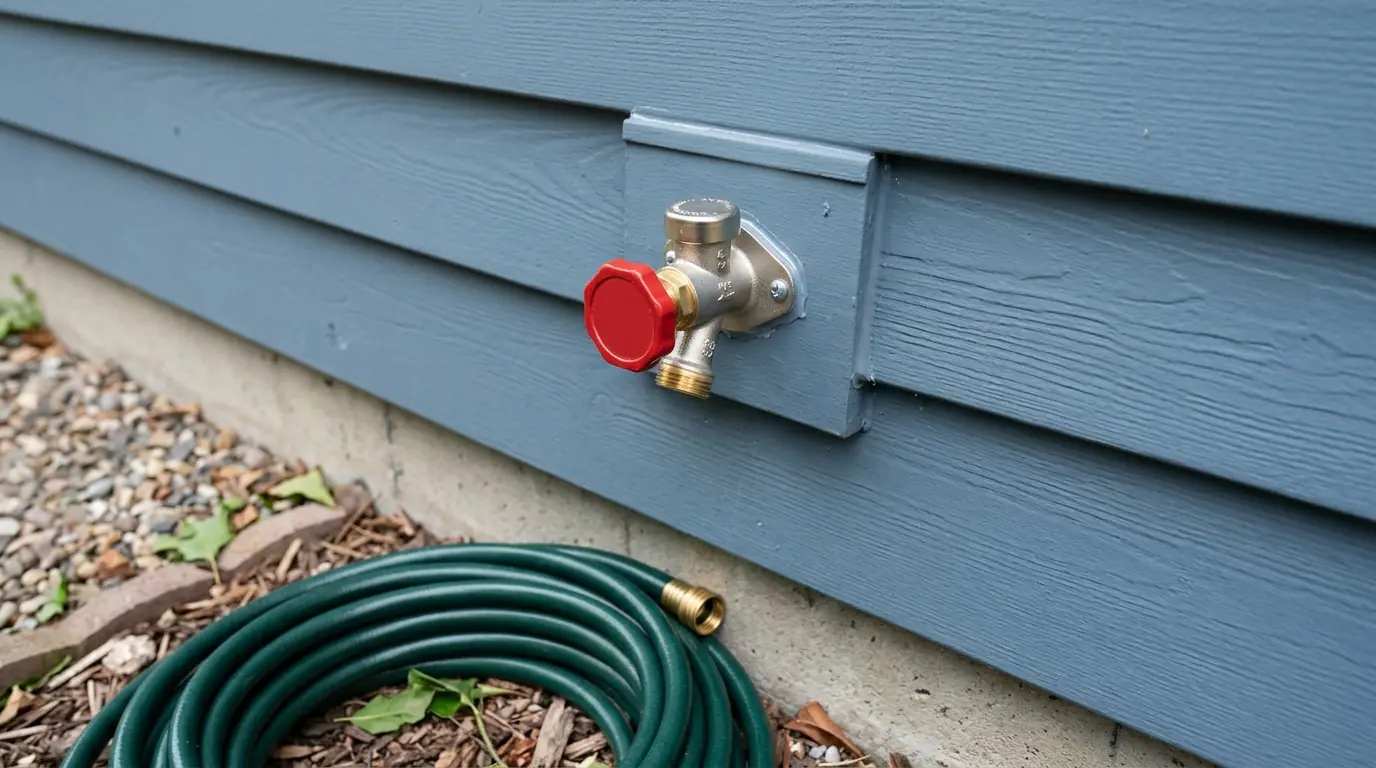
Outdoor Faucet & Sillcock Repair
Leaking hose bibs and freeze-damaged sillcocks repaired or replaced with frost-free valves built for Colorado winters.
Learn more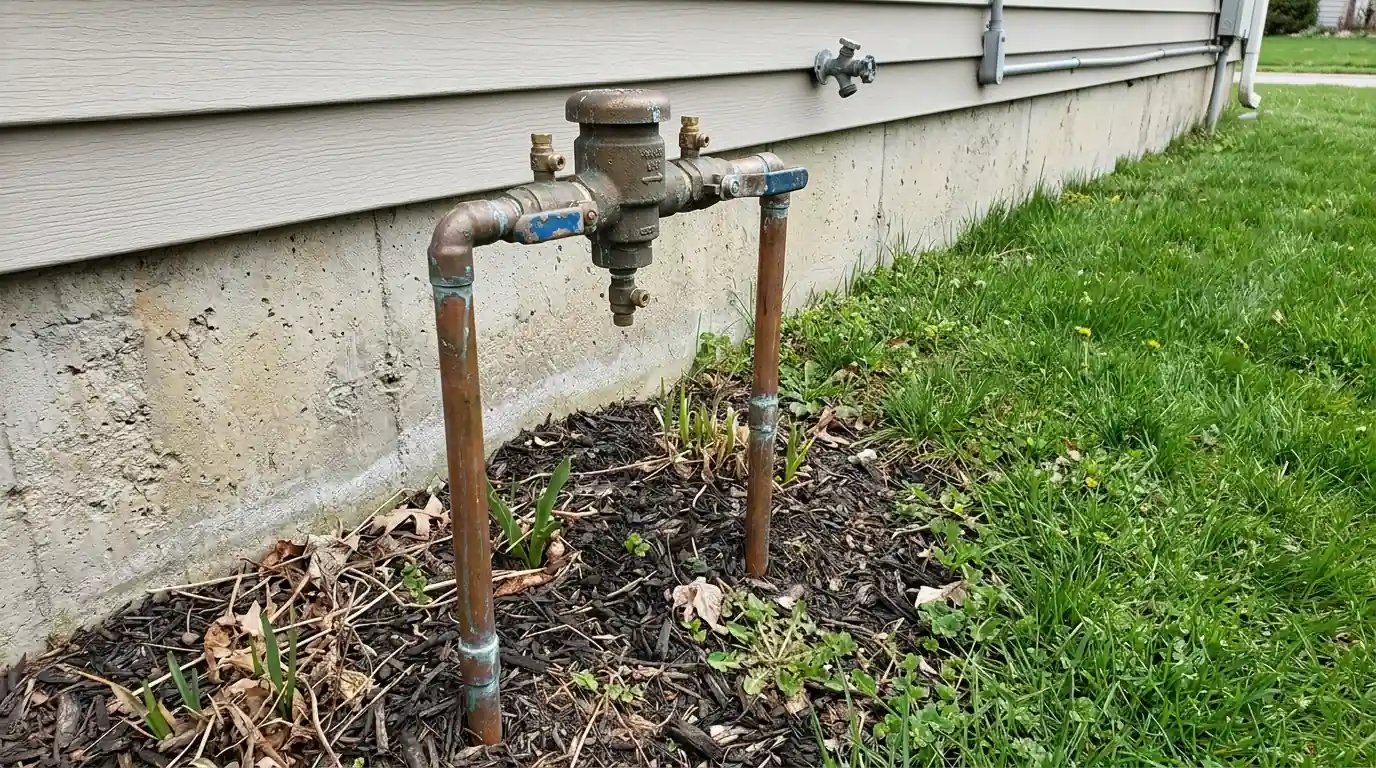
Backflow Testing & Repair
Annual backflow assembly testing, spring sprinkler start-up checks and repairs for freeze-cracked or failing backflow preventers.
Learn more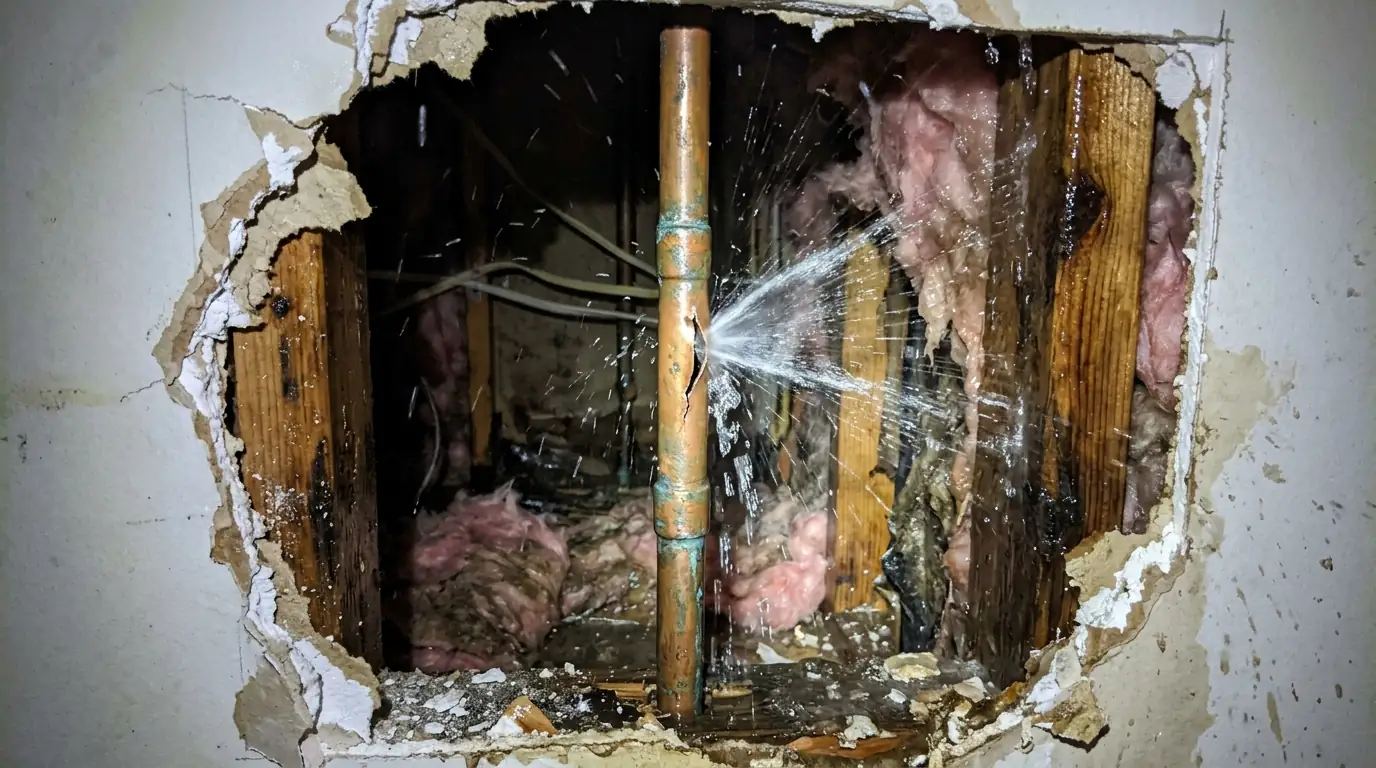
Burst Pipe Repair
Split and burst water pipes stopped, cut out and repaired fast, day or night, with damage kept to a minimum.
Learn moreCoverage
Where we do pipe freeze protection around Aurora
These neighborhoods and nearby cities cover most of the households we serve. Not listed? Call and ask.
- Original Aurora, Aurora 80010
- Del Mar, Aurora 80010
- Hoffman Heights, Aurora 80011
- Aurora Hills, Aurora 80012
- Village East, Aurora 80012
- Willow Park, Aurora 80012
- Aurora Knolls, Aurora 80012
- Heather Gardens, Aurora 80014
- Aurora 80012
- Denver 80202
- Centennial 80112
- Parker 80134
- Englewood 80110
- Littleton 80120
- Greenwood Village 80111
- Lone Tree 80124
Need help with pipe freeze protection?
Call any time, day or night. A real person answers and tells you what happens next.