Leaks & pipes
Burst pipe repair in Aurora, CO
A burst pipe can push gallons of water a minute into walls, ceilings and floors, and every minute adds to the cleanup. We answer around the clock, help you stop the water, then cut out the damaged section and restore service.
SERVICE PLATE
- Service
- Burst Pipe Repair
- Typical range
- $345 to $685
- Area
- Aurora and the east metro
- Hours
- Answered 24/7
- Phone
- (720) 894-1012
Brands we work on every week
The first step with a burst pipe is closing the main shutoff, usually in the basement utility room or where the line enters the house. Then the damaged section is cut out and replaced with new pipe or a repair coupling. Most Aurora burst pipe repairs cost $345 to $1,285, depending on access and pipe material.
Warning signs
What to do in the first ten minutes of a burst pipe
Shut off the main water valve
Find the main shutoff, often near the water meter in a basement utility room or where the service line enters. Turn it fully closed to stop the flow.
Kill power to wet areas
If water is near outlets, light fixtures or an electrical panel, switch off those breakers from a dry spot. Never stand in water to reach the panel.
Open a faucet on the lowest level
Draining the remaining water out of the lines lowers pressure and reduces how much keeps dripping from the break while you wait for us.
Move valuables and soak up water
Lift rugs, electronics and boxes off the floor. Towels and a wet vacuum help, and a bucket under a ceiling drip keeps water off flooring.
Poke a small hole in a bulging ceiling
If drywall is sagging with trapped water, a small hole at the lowest point with a bucket underneath lets it drain before the ceiling gives way.
Take photos before cleanup
Pictures of the break, the water and damaged belongings help with any insurance claim. Take them quickly, then keep working to limit the damage.
Step by step
How we respond to a burst pipe call
- 01
Phone guidance first
When you call, we walk you through finding and closing the main shutoff and staying safe around electricity while our plumber heads your way.
- 02
Find and expose the break
We trace the water to the failed pipe, open the wall or ceiling only as much as needed, and confirm the extent of the damage.
- 03
Cut out and replace
The split section is removed back to sound pipe and replaced with new copper or PEX, using proper fittings for the materials involved.
- 04
Test and check nearby pipe
We restore water, pressure test the repair, check pressure at the house and look for other frost damage or weak spots nearby.
- 05
Plan the next step
We explain what caused the break, how to keep it from recurring, and whether drying or drywall repair should come next.
Why pipes split and what the break tells us
Most burst pipes in homes fail for one of a few reasons: water froze inside and expanded, corrosion thinned the wall until it tore open, a fitting cracked, or high water pressure stressed a weak spot. The shape of the break helps us read the cause. A long lengthwise split usually points to freezing, while a small ragged hole suggests corrosion.
That diagnosis matters because it shapes the right repair. A freeze split in otherwise healthy copper needs only the damaged piece replaced. A corrosion failure in old galvanized pipe hints that nearby sections are thin too, and another leak may follow. We tell you what we see so you can decide how far to take the repair.
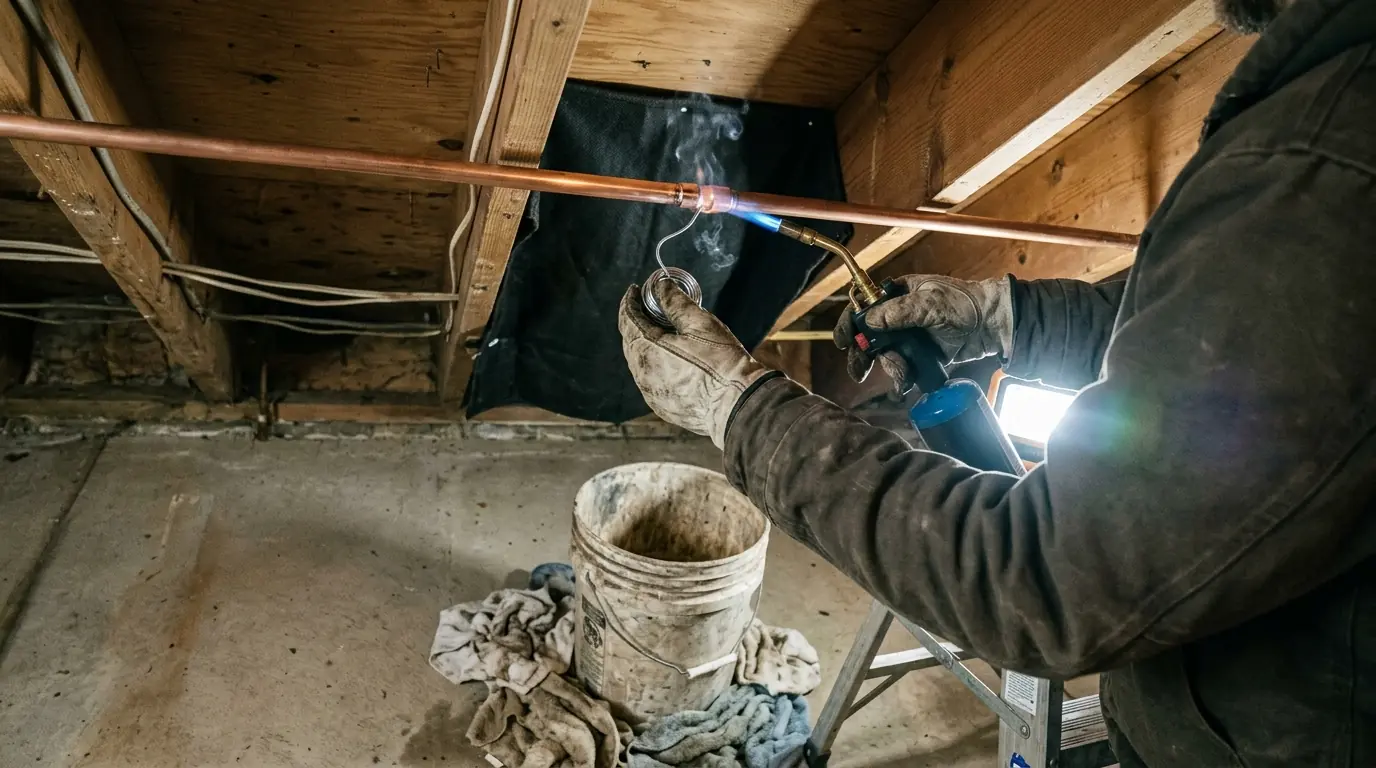
How we repair a burst section
We cut back past the damaged area until we reach sound pipe, then join new material in its place. On copper, that means soldered or press fittings. PEX connects with crimp or expansion fittings. Repair couplings can bridge a short split quickly. For galvanized or polybutylene, we usually transition to copper or PEX rather than patching the old material.
If the break is inside a finished wall or ceiling, we open only as much drywall as needed to reach the pipe safely. Before closing anything up, we pressure test the repair and check the surrounding pipe for frost damage or other weak spots. The opening stays open long enough to dry, which helps prevent mold later.
Can you prevent the next burst after the repair?
Often, yes. If freezing caused the break, the fix is insulation, sealing air leaks near the pipe, adding heat cable or moving the line away from the cold surface. If corrosion caused it, replacing that whole run of old pipe or planning a repipe reduces the chance of a repeat failure somewhere close by.
High pressure is another factor we check before we leave. Static pressure that runs too high, or spikes caused by thermal expansion, wears out pipes and fittings faster. We test it on every burst pipe call, and if it is above a healthy level, we explain whether a pressure reducing valve or an expansion tank would help.
Aurora notes
Why Aurora homes see burst pipes in winter
Sudden arctic cold fronts can drop temperatures well below zero across the Front Range, often after mild days that leave homeowners unprepared. Pipes in outside walls, garages, crawlspaces and attics are the usual victims, along with hose bibs and sprinkler backflow devices. Many bursts are found only when the line thaws and water starts flowing through the split, sometimes hours after the cold snap passes.
Older homes in Original Aurora often still have galvanized supply pipe that corrodes from the inside, while some southeast Aurora homes from roughly 1978 to 1995 have polybutylene that tends to fail at fittings. In both cases, a burst can happen any time of year. Because many Aurora homes have finished basements, a break above the basement ceiling can damage two levels at once.
Pricing
What does burst pipe repair cost in Aurora?
TYPICAL AURORA PRICE RANGES
| Repair of an accessible burst section | $345 to $685 |
|---|---|
| Burst pipe inside a wall or ceiling, including access | $585 to $1,285 |
| After-hours emergency response fee | $145 to $285 |
| Replacing a split section of galvanized or polybutylene pipe | $485 to $1,185 |
| Pressure check and pressure reducing valve adjustment | $95 to $185 |
These ranges are typical for Aurora and are not a quote. Your price depends on the pipe, its location and what we find when we open it up.
- Access to the pipeAn exposed pipe in an unfinished basement is quick to fix. One above a finished ceiling or inside a tiled wall takes longer to reach safely.
- Pipe materialCopper and PEX repair cleanly. Galvanized and polybutylene often need a longer section replaced or a transition to a modern material.
- Time of the callNight, weekend and holiday calls carry an after-hours fee. We tell you that rate on the phone before our plumber heads out.
- Extent of damageA single split is one repair. Freeze damage that cracked several fittings along a line takes more time, parts and testing.
Compare more jobs in our plumbing price guide.
Questions
Burst Pipe Repair questions from Aurora homeowners
Where is the main water shutoff in most Aurora homes?
In homes with basements, it is usually near the water meter or where the service line comes through the foundation, often in the utility room near the water heater. Homes without basements may have it in a garage, crawlspace or utility closet. Find yours before an emergency and make sure it turns.
Should I turn off the water heater when a pipe bursts?
If the main water is off for more than a short time, yes. Switch an electric heater's breaker off, or set a gas heater's control to pilot. That keeps the heater from running without fresh water coming in. We relight or restore it once the repair is done.
Can a burst pipe be fixed with tape or a clamp?
A repair clamp or tape can slow a leak for a few hours in a pinch, but neither is a lasting fix. Water pressure eventually pushes past them. Use one only to buy time with the main valve partly open, and have the section properly replaced as soon as possible.
How soon should water damage be dried after a burst pipe?
As soon as possible. Drywall, insulation and carpet pad start to grow mold within a day or two if they stay wet. After the repair, fans, dehumidifiers and sometimes removing soaked materials are needed. For large areas, a water damage restoration company should follow up.
Why did my pipe burst after the cold weather ended?
Ice inside a pipe can split it during the freeze, but the ice plug holds the water back. Once the pipe warms, the ice melts and water rushes out through the crack. That is why many bursts are discovered a day after a cold snap, not during it.
Related work
Other plumbing jobs that often go with this one
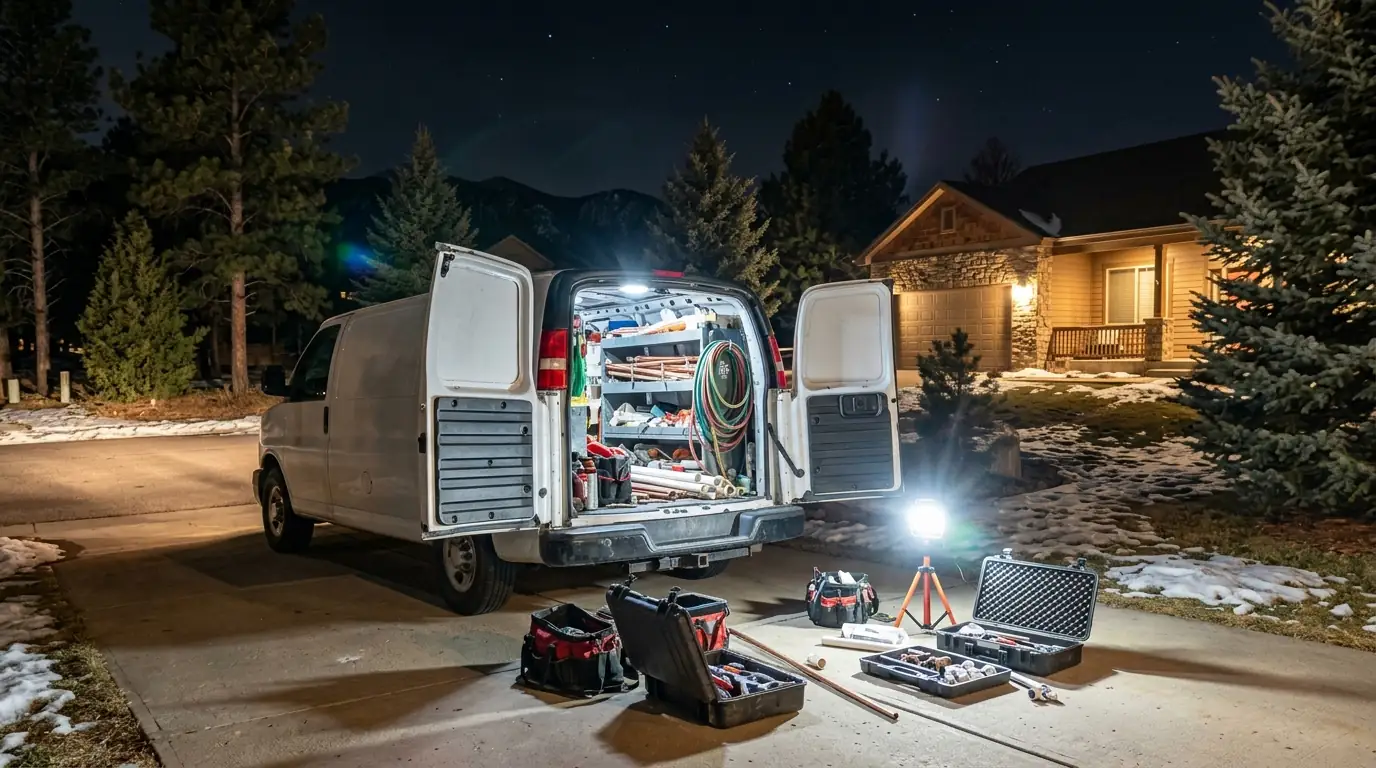
Emergency Plumber
Burst pipes, sewage backups, overflowing toilets and no water at night, handled 24/7 across Aurora and the east metro.
Learn more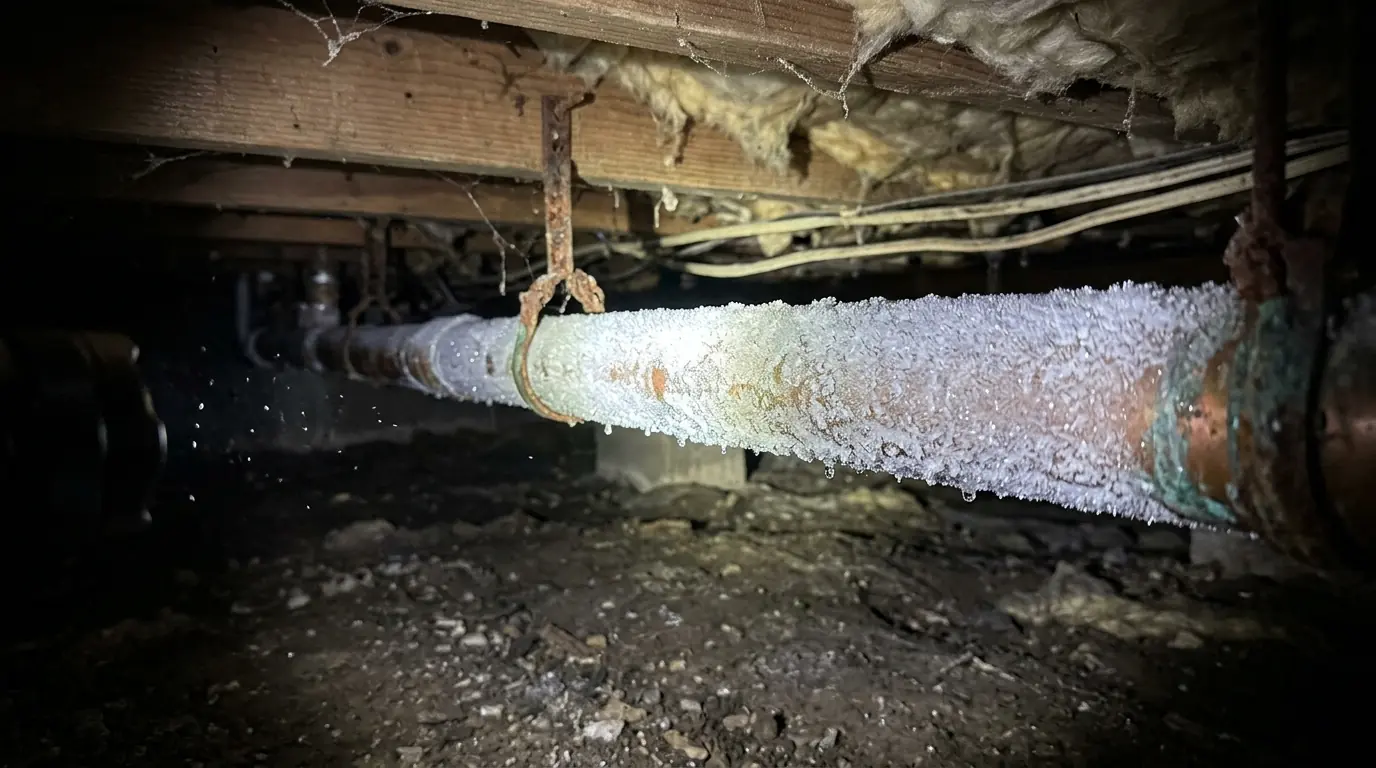
Frozen Pipe Thawing & Repair
Frozen water lines thawed safely without open flame, then checked for splits and repaired before the ice turns into a flood.
Learn more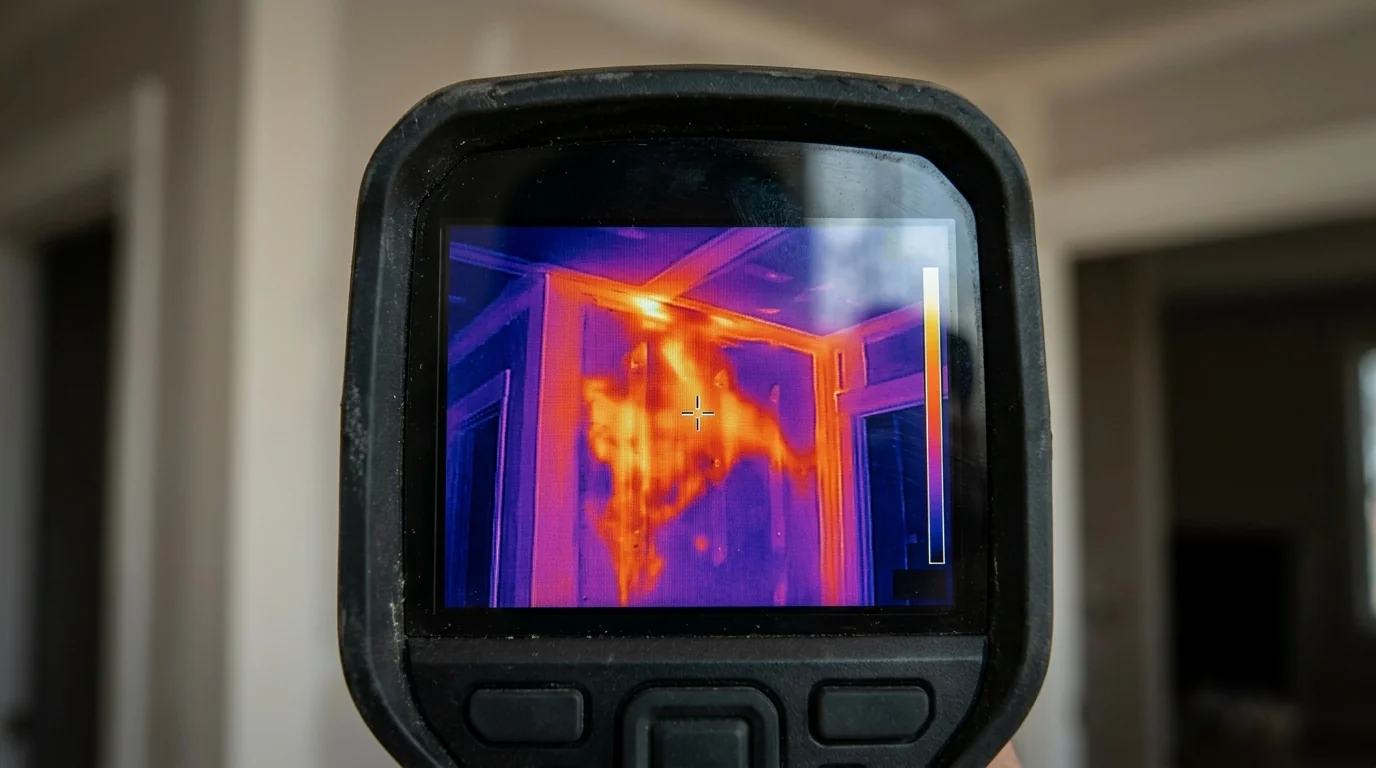
Leak Detection
Hidden water leaks pinpointed inside walls, ceilings, floors and yards with acoustic, thermal and pressure testing, with minimal opening up.
Learn more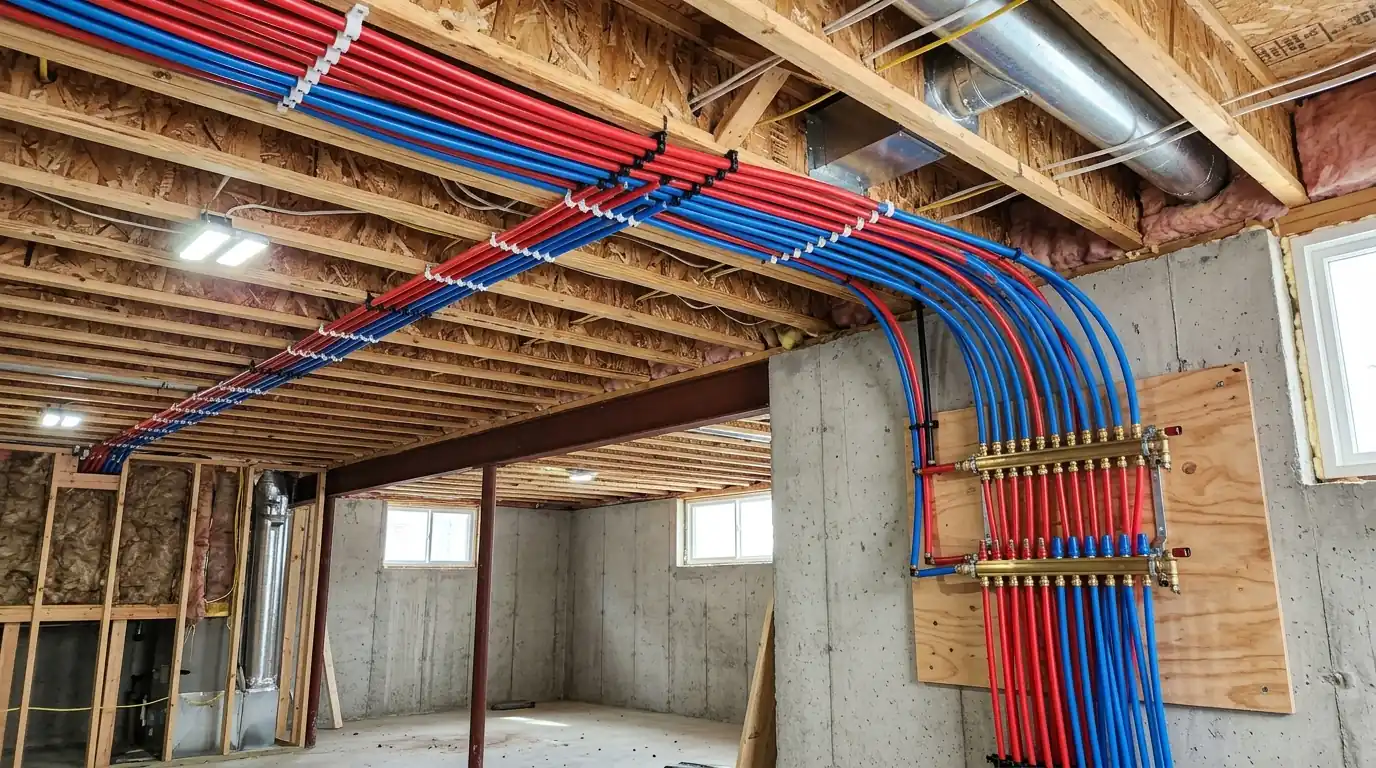
Whole-House Repiping
Replace failing galvanized, polybutylene or pinholed copper supply pipe with new PEX or copper throughout the whole house.
Learn moreCoverage
Where we do burst pipe repair around Aurora
These neighborhoods and nearby cities cover most of the households we serve. Not listed? Call and ask.
- Original Aurora, Aurora 80010
- Del Mar, Aurora 80010
- Hoffman Heights, Aurora 80011
- Aurora Hills, Aurora 80012
- Village East, Aurora 80012
- Willow Park, Aurora 80012
- Aurora Knolls, Aurora 80012
- Heather Gardens, Aurora 80014
- Aurora 80012
- Denver 80202
- Centennial 80112
- Parker 80134
- Englewood 80110
- Littleton 80120
- Greenwood Village 80111
- Lone Tree 80124
Need help with burst pipe repair?
Call any time, day or night. A real person answers and tells you what happens next.