Fixtures
Outdoor faucet and sillcock repair in Aurora, CO
Outdoor faucets crack in hard freezes, and the leak often stays hidden inside the wall until you turn on the hose in spring. We repair or replace damaged hose bibs and install frost-free sillcocks that hold up to Aurora winters.
SERVICE PLATE
- Service
- Outdoor Faucet & Sillcock Repair
- Typical range
- $115 to $195
- Area
- Aurora and the east metro
- Hours
- Answered 24/7
- Phone
- (720) 894-1012
Brands we work on every week
Outdoor faucets fail in two ways: worn washers and packing that drip at the spout or handle, and freeze damage that splits the pipe inside the wall. Drips are a quick repair. A split sillcock needs replacing, and we install a frost-free model with a vacuum breaker, sloped so water drains out and doesn't freeze again.
Standard hose bibs versus frost-free sillcocks
A standard hose bib closes its valve right at the outside wall, so water sits in the faucet and the pipe just behind it. In freezing weather that water expands and splits the pipe. Older homes often have these, sometimes with a separate shutoff inside that has to be closed and drained each fall.
A frost-free sillcock moves the actual valve several inches inside the house, at the end of a long stem. When you close the handle, the water stops in the heated part of the wall and the barrel drains out. They are installed with a slight downward slope so water drains completely. Correct length and slope are what make them truly frost-free.
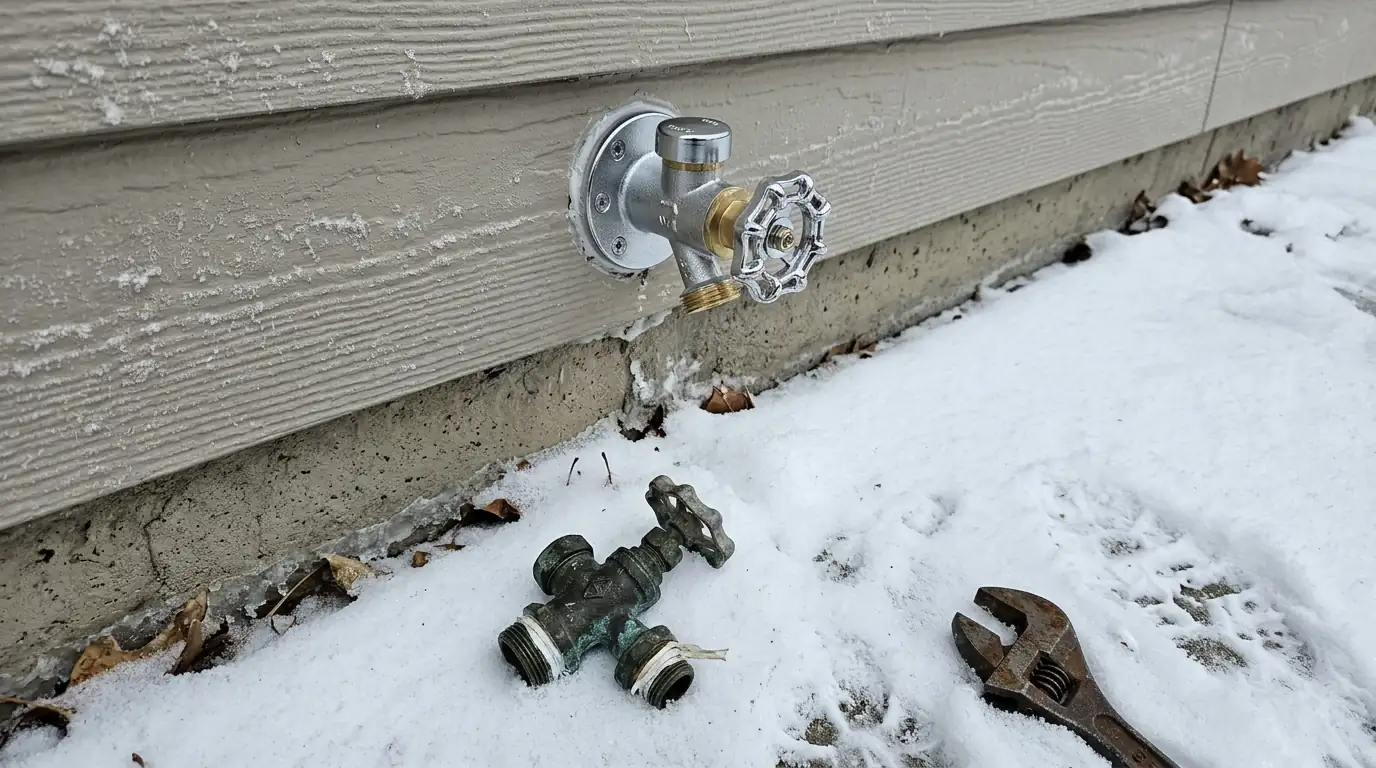
Repairing a split or leaking sillcock
If a frost-free sillcock freezes, the split usually happens deep in the barrel, inside the wall, so you can't see it from outside. We confirm the leak by opening the faucet and looking inside. Then we shut off the water, cut out the damaged faucet and install a new one with the right length, slope and connections.
If the pipe behind the faucet split as well, we repair that section too. On older homes, that may mean replacing old galvanized or brittle copper. When we can't reach the connection from inside, through a finished ceiling or wall, we cut a small access opening and plan it so patching is simple afterward.
Winterizing outdoor faucets the easy way
Before the first hard freeze, disconnect every hose. A hose left attached traps water in the barrel and can defeat even a frost-free sillcock. If you have older standard hose bibs, close their indoor shutoffs, then open the outside faucets to drain them. Leave the outside valves open over the winter.
Insulated foam covers add protection, especially for faucets on north-facing walls exposed to wind. If you leave town for long stretches in winter, keeping the heat on and the shutoffs closed helps. When spring comes, open the faucet slowly and check inside for leaks before using the hose for hours.
Warning signs
Spring signs your outdoor faucet froze over winter
Water spraying inside the wall
If turning on the hose sends water into the basement or crawlspace instead of out the spout, the sillcock pipe has split from a freeze. Turn it off right away.
Drips at the spout when off
A worn washer or seat lets water trickle out after the handle is closed. On frost-free sillcocks, the washer sits deep inside at the end of a long stem.
Leaks around the handle
Water around the stem when the faucet is open means worn packing. Tightening the packing nut sometimes helps, but older faucets often need new parts or replacement.
A hose left on all winter
A hose connected through a freeze traps water in a frost-free sillcock and can crack it. If you forgot the hose, check for leaks inside the wall in spring.
Weak flow or sputtering
Mineral scale, debris or a damaged vacuum breaker can reduce flow. On older faucets, corroded pipe behind the wall may be restricting the supply.
Wet siding or damp basement wall
Stains on siding below the faucet, or moisture inside on the basement wall where the faucet goes through, can mean a slow leak at the connection.
Aurora notes
Aurora winters and outdoor faucets
Aurora winters bring sudden arctic cold fronts that can drop temperatures well below zero, plus big swings between daytime and nighttime. Hose bibs are among the most common freeze victims across the city, especially on exposed walls and in older homes with standard faucets. Many problems only show up in spring, when the first use of the hose sends water into a basement or crawlspace.
Older houses in Original Aurora and on the northwest side often still have standard hose bibs on galvanized pipe, which are the most vulnerable. Newer homes usually have frost-free sillcocks, but those still freeze if a hose stays connected. If your yard has a sprinkler system, Aurora Water requires backflow assemblies on sprinkler systems to be tested, and spring start-up is when most owners schedule it.
Step by step
What happens when we fix an outdoor faucet
- 01
Check inside and out
We look at the faucet outside, then find the connection inside the house, checking for leaks, freeze damage and an indoor shutoff.
- 02
Shut off and drain
We close the shutoff for the faucet or the main if needed, open the faucet to drain it and protect the area inside the wall.
- 03
Recommend the fix
You get the price for a new washer or packing, or for replacing the faucet with a frost-free sillcock sized for your wall.
- 04
Repair or replace
We install new parts or a new sillcock with a vacuum breaker, sloped to drain, and repair any damaged pipe behind it.
- 05
Test and seal
We restore water, test for leaks inside and out, seal the opening in the siding and show you how to winterize it.
Pricing
How much does outdoor faucet repair cost in Aurora?
TYPICAL AURORA PRICE RANGES
| Washer and packing repair on an outdoor faucet | $115 to $195 |
|---|---|
| Replace a hose bib with a frost-free sillcock, open access | $265 to $465 |
| Replace a frozen sillcock with pipe repair behind it | $345 to $685 |
| Sillcock replacement through a finished ceiling | $435 to $785 |
| Adding a new outdoor faucet on an exterior wall | $435 to $865 |
These are typical ranges for Aurora homes, not a quote. The final price depends on the faucet, the access and what we find inside the wall.
- Access insideUnfinished basements make this a quick job. A finished ceiling or wall may need an access cut and patching to reach the connection.
- Freeze damageA clean faucet swap costs less than one with split pipe behind it, especially when old galvanized or brittle copper needs replacing.
- Wall thicknessFrost-free sillcocks come in different lengths, and thick walls or brick exteriors may need a longer model or extra fitting work.
- Faucet styleAnti-siphon models, lockable handles and quarter-turn sillcocks cost a little more but add protection and convenience.
Compare more jobs in our plumbing price guide.
Questions
Outdoor Faucet & Sillcock Repair questions from Aurora homeowners
How do I know if my outdoor faucet froze and cracked?
Turn it on and watch inside the house, near where the faucet passes through the wall. If water appears in the basement, crawlspace or wall, it has split. Outside, you may see little or no water coming out. Shut it off right away and keep the area dry until we arrive.
Do frost-free sillcocks ever freeze?
Yes, if a hose stays connected, the faucet isn't sloped correctly or it is too short for the wall. In those cases water stays in the barrel and can freeze. Disconnecting hoses before cold weather and having the faucet installed at the right length and pitch prevents most of those problems.
When should I disconnect hoses in Aurora?
Before the first hard freeze of the season, which can come earlier than many people expect. Remove the hose, drain it and store it inside. Leaving it connected through one cold night can be enough to crack a sillcock. If a warm spell comes later, reconnect it briefly and remove it again afterward.
Can a leaking hose bib raise my water bill?
A steady drip outside adds up over weeks, especially during summer when the faucet sees more use. A leak inside the wall can waste far more water and cause damage you don't see right away. Fixing worn washers or replacing a damaged sillcock is far cheaper than that waste and repair.
Is my outdoor faucet the same as my sprinkler backflow?
No. The outdoor faucet is a simple valve for a hose. A sprinkler system usually has its own backflow assembly, often near the house or in the yard, that protects the drinking water supply. Both can freeze in winter, but the backflow assembly needs separate draining and testing.
Related work
Other plumbing jobs that often go with this one
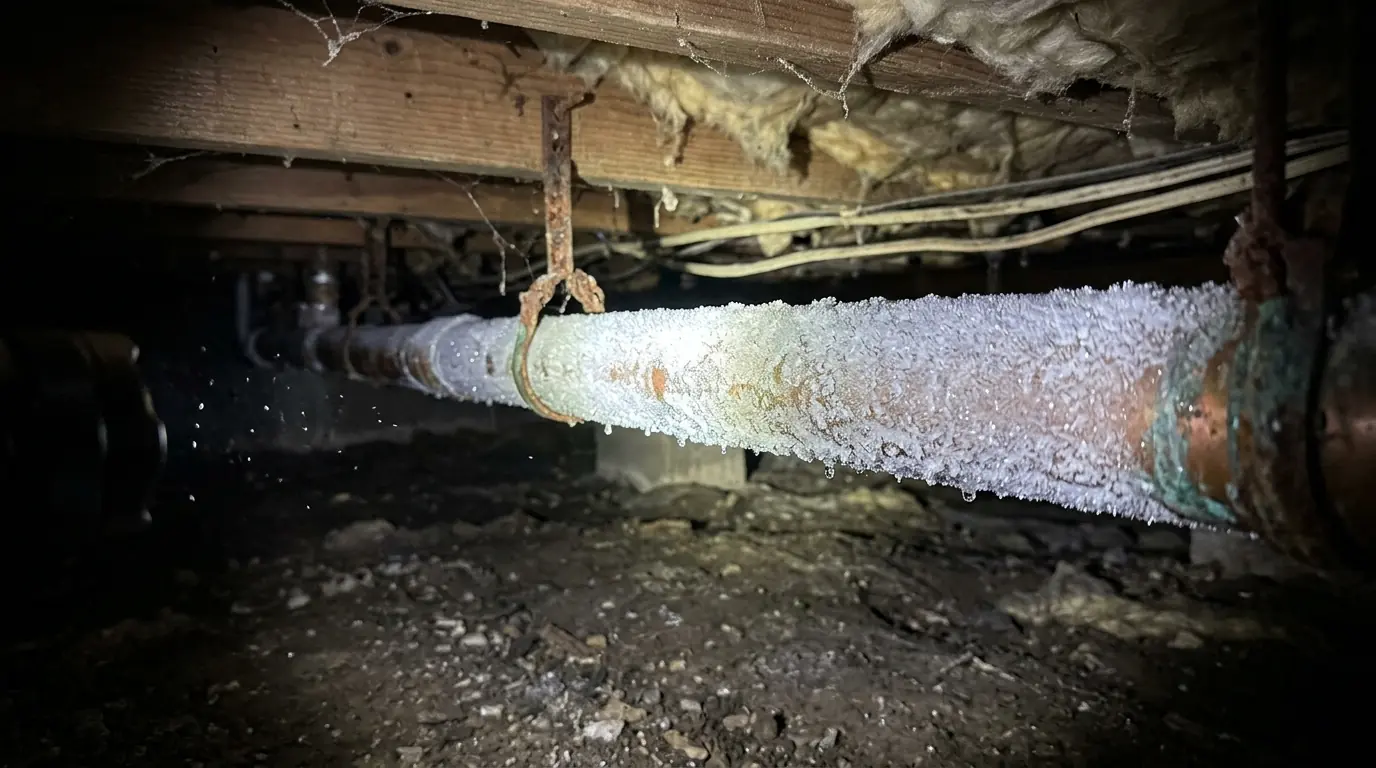
Frozen Pipe Thawing & Repair
Frozen water lines thawed safely without open flame, then checked for splits and repaired before the ice turns into a flood.
Learn more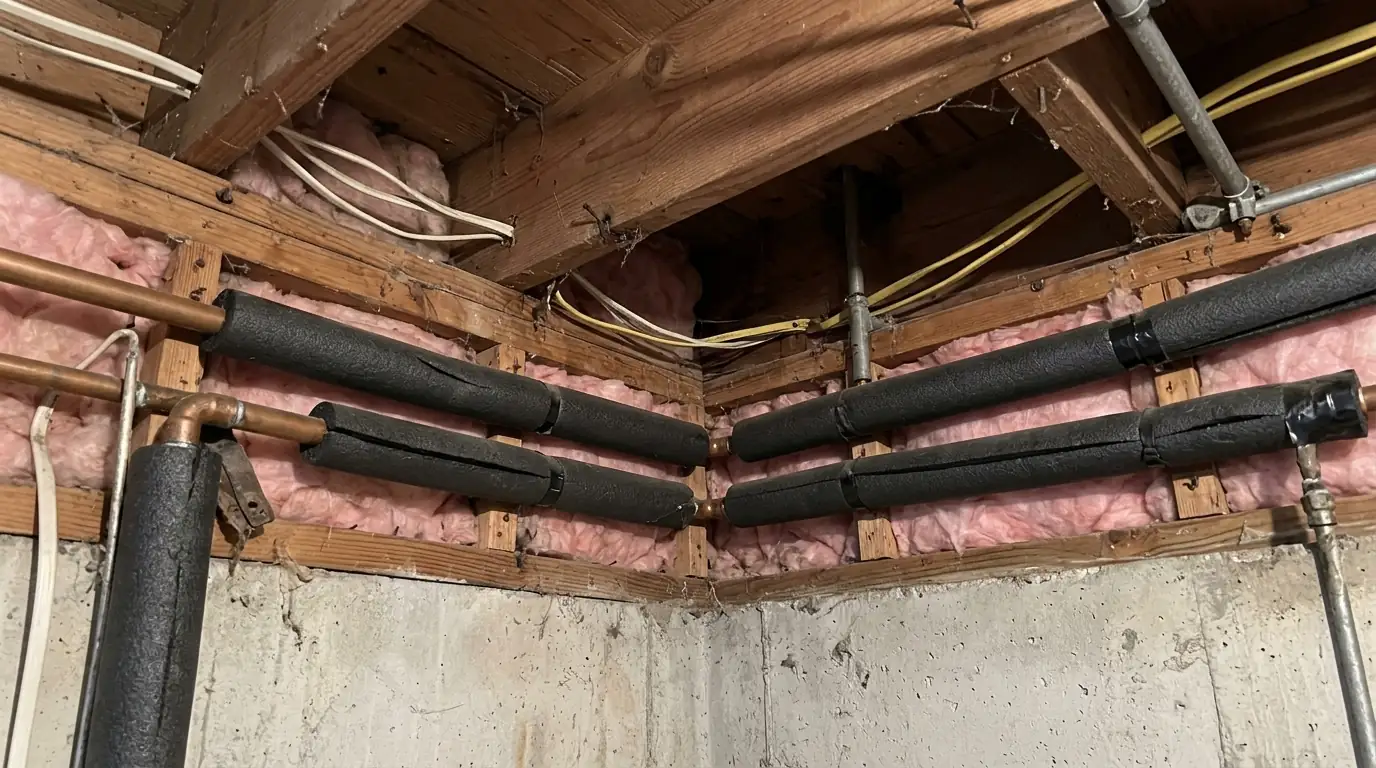
Pipe Freeze Protection
Pipe insulation, heat cable, rerouting and winter shutdown plans that keep water lines from freezing in deep cold.
Learn more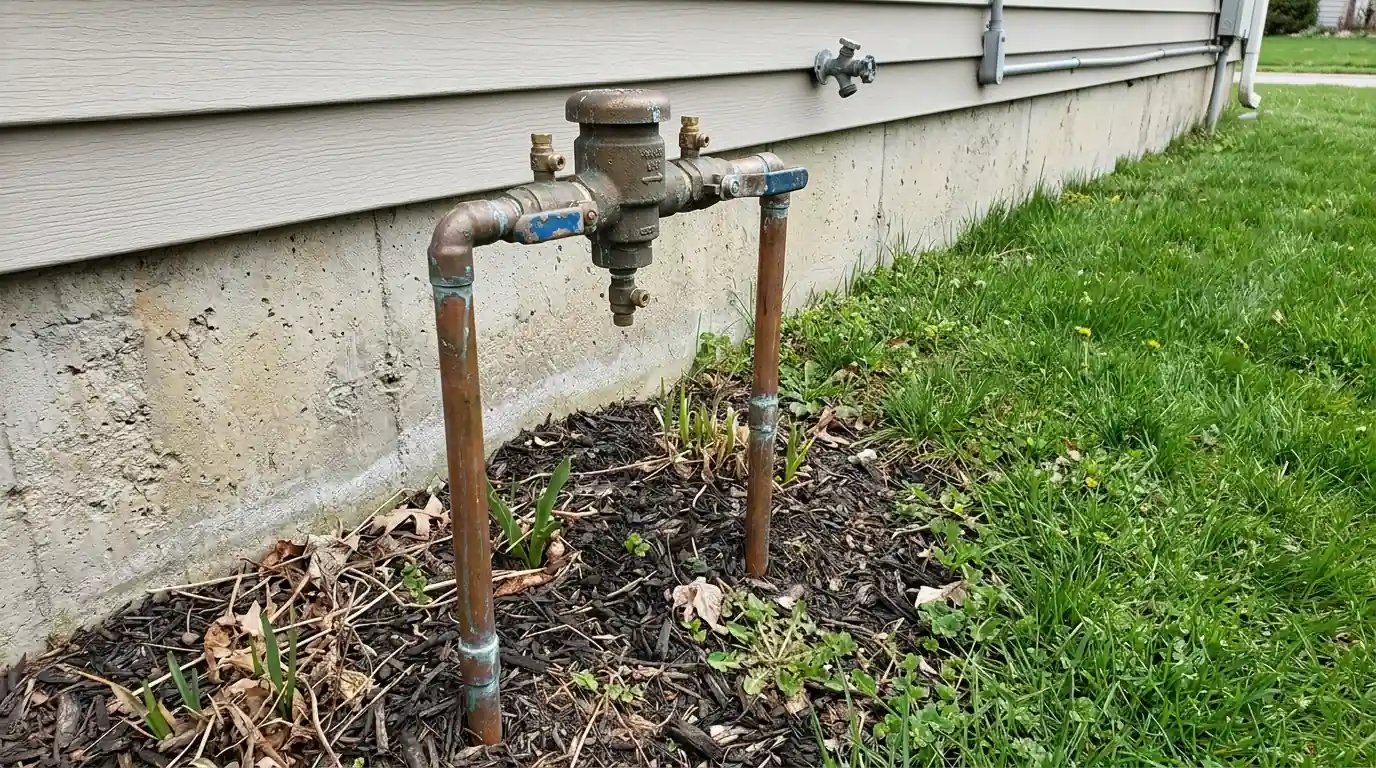
Backflow Testing & Repair
Annual backflow assembly testing, spring sprinkler start-up checks and repairs for freeze-cracked or failing backflow preventers.
Learn more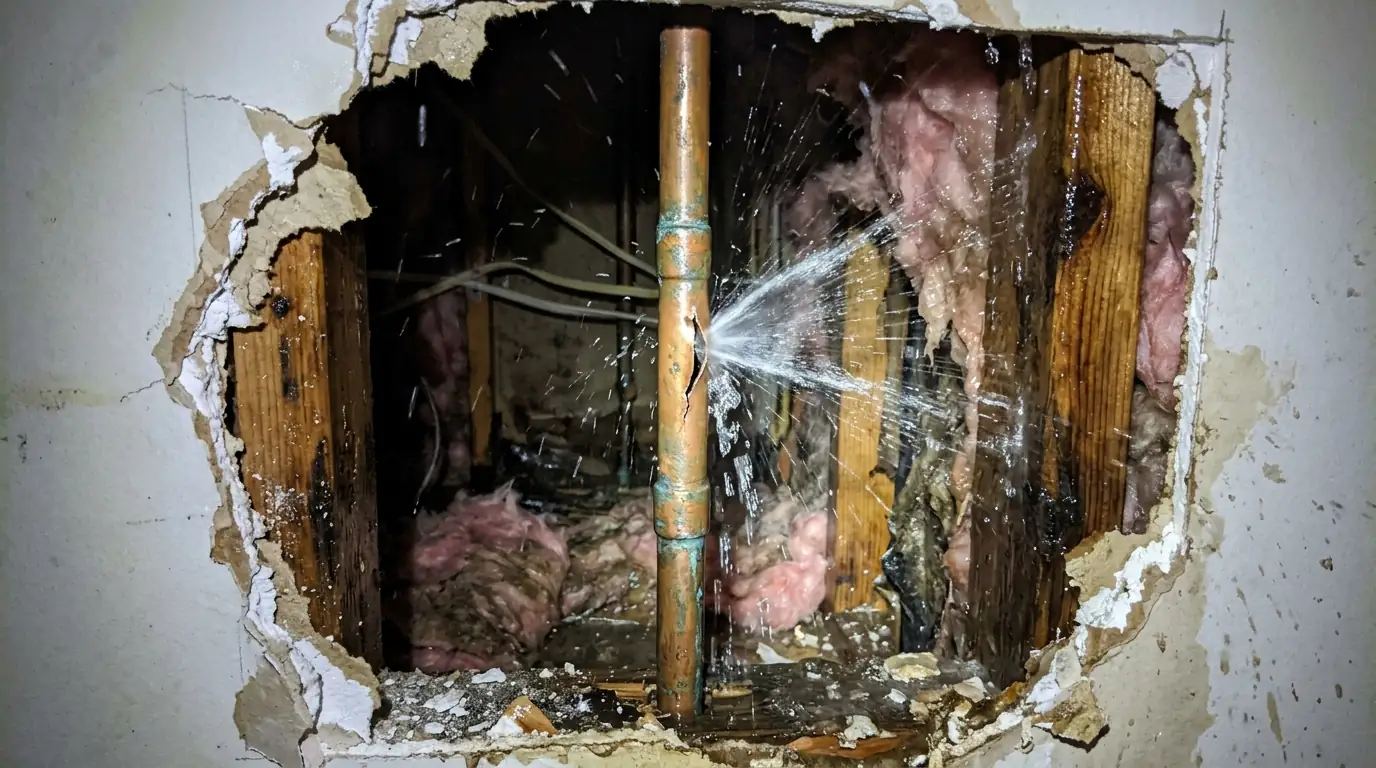
Burst Pipe Repair
Split and burst water pipes stopped, cut out and repaired fast, day or night, with damage kept to a minimum.
Learn moreCoverage
Where we do outdoor faucet & sillcock repair around Aurora
These neighborhoods and nearby cities cover most of the households we serve. Not listed? Call and ask.
- Original Aurora, Aurora 80010
- Del Mar, Aurora 80010
- Hoffman Heights, Aurora 80011
- Aurora Hills, Aurora 80012
- Village East, Aurora 80012
- Willow Park, Aurora 80012
- Aurora Knolls, Aurora 80012
- Heather Gardens, Aurora 80014
- Aurora 80012
- Denver 80202
- Centennial 80112
- Parker 80134
- Englewood 80110
- Littleton 80120
- Greenwood Village 80111
- Lone Tree 80124
Need help with outdoor faucet & sillcock repair?
Call any time, day or night. A real person answers and tells you what happens next.