Water heaters
Hot water recirculation pump installation in Aurora, CO
Waiting a minute or more for hot water at a distant bathroom wastes water and patience every single morning. A recirculation pump keeps warm water close to your fixtures, so hot water arrives in seconds instead.
SERVICE PLATE
- Service
- Hot Water Recirculation Pumps
- Typical range
- $485 to $865
- Area
- Aurora and the east metro
- Hours
- Answered 24/7
- Phone
- (720) 894-1012
Brands we work on every week
A recirculation pump moves cooled water in the hot line back to the heater, so hot water reaches far fixtures quickly. Homes without a return line can use a pump at the heater with a crossover valve under the farthest sink. Most Aurora installs run $485 to $1,185, and demand or timer controls keep the running cost low.
Dedicated return line or crossover valve: which fits your house?
The best systems use a dedicated return pipe that runs from the farthest fixture back to the water heater. The pump circulates water through that loop, so the hot line stays warm and the cold line is untouched. Many custom and newer homes have a return line already, while most older homes do not, and adding one usually means opening walls.
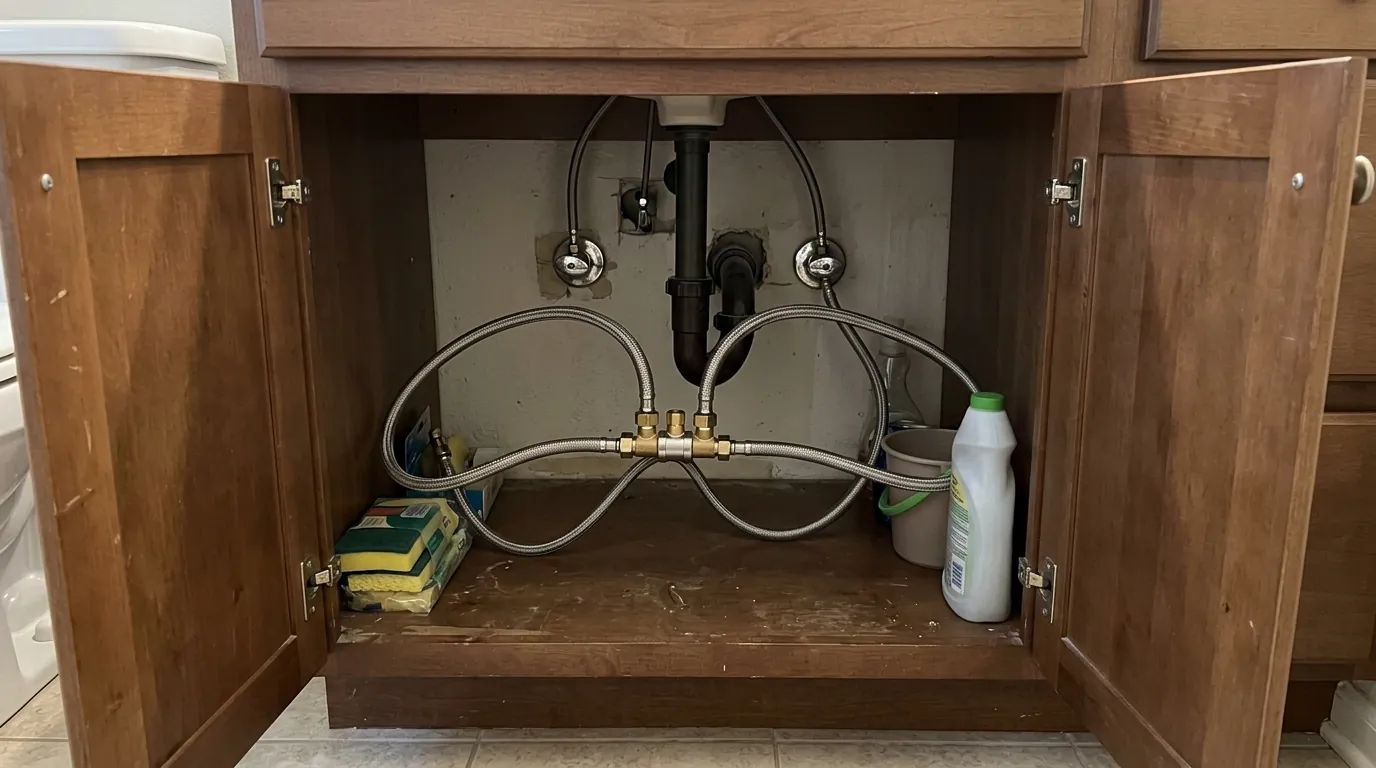
For homes without a return, a crossover system works well. The pump mounts at the water heater, and a small valve under the farthest sink lets cooled water from the hot line flow into the cold line until warm water arrives. It is less invasive, though the cold tap at that sink may run slightly warm for a few seconds after the pump cycles.
Choosing controls that keep running costs low
A pump that runs constantly keeps the hot line warm all day, which loses heat through the pipe walls and costs energy. Timer controls run the pump only during your busy hours, such as early morning and evening. Temperature sensors switch it off once the water at the far end is warm enough, and turn it back on when it cools.
Demand systems are the most efficient. You press a button, use a motion sensor or tap an app, and the pump runs just long enough to bring hot water to that fixture. We help you pick based on your routine: a household that showers at set times does fine with a timer, while unpredictable schedules suit on-demand control better.
Insulating the hot line makes recirculation work better
Bare copper or PEX hot lines lose heat fast, especially through cold basements, crawlspaces and garages. Insulating the accessible runs means the water stays warmer between pump cycles, so the pump runs less often and hot water still arrives quickly at the far fixture. It is one of the cheapest improvements you can make.
We insulate exposed sections near the heater and in unfinished spaces as part of the job when you want it. Lines buried inside finished walls cannot be reached without opening drywall, but even partial insulation in the basement or crawlspace helps the system hold temperature and keeps the pump from cycling more than it needs to.
Pricing
Recirculation pump costs for Aurora homes
TYPICAL AURORA PRICE RANGES
| Crossover valve recirculation system, installed | $485 to $865 |
|---|---|
| Pump on an existing dedicated return line | $545 to $985 |
| On-demand system with push button or motion sensor | $685 to $1,185 |
| Replacing a failed recirculation pump | $385 to $745 |
| Hot line insulation in unfinished areas | $145 to $385 |
These ranges are typical for Aurora and not a quote. The real price depends on your plumbing layout and what we find at the heater.
- Existing return lineA home with a return loop already in the walls costs much less to set up than one that needs a crossover valve or new piping.
- Control typeSimple timers cost less than demand systems with wireless buttons, motion sensors or app control, though the demand systems save more energy.
- Power at the heaterIf there is no outlet near the water heater, adding one increases the cost. Most basement utility rooms already have one close by.
- Heater compatibilitySome tankless heaters need a specific pump or have recirculation built in. We confirm compatibility before buying equipment.
Compare more jobs in our plumbing price guide.
Step by step
What to expect when we add a recirculation pump
- 01
Map the hot water route
We find the heater, the farthest fixture and any existing return line, and we time how long hot water currently takes to arrive there.
- 02
Choose the system type
Based on what the house has, we recommend a dedicated return pump or a crossover valve system, plus timer, sensor or demand controls.
- 03
Install the pump
The pump mounts at the water heater with isolation valves and a check valve, and we connect it to power with a nearby outlet or a new one if needed.
- 04
Fit the crossover or loop
For crossover systems, we install the bridge valve under the farthest sink. For return loops, we connect and purge the return line.
- 05
Set controls and time it again
We program the timer or demand control, insulate accessible lines if you want that, and time the hot water arrival again so you can hear the difference.
Warning signs
Signs your home would benefit from recirculation
The far bathroom takes over a minute
Long pipe runs to a primary suite or upstairs bath mean a lot of cold water sits in the line. Every shower starts by sending that water down the drain.
Your water bill reflects the waiting
Running the tap while you wait for heat wastes gallons every day in a busy household, and that adds up across a year of morning routines.
You already have a return line
Some homes were plumbed with a dedicated hot water return loop that was never connected to a pump, or whose original pump failed long ago. That makes installation simple.
You have a tankless heater with a delay
Tankless units still need hot water to travel through the pipes. Pairing a compatible tankless heater with recirculation shortens the wait at distant fixtures.
The kitchen is far from the heater
A garage-mounted heater at one end of a long ranch house leaves the kitchen sink waiting. Recirculation helps whichever fixture sits farthest down the line.
An old pump runs nonstop
A pump that runs around the clock without a timer or sensor wastes electricity and heat. Upgrading the controls cuts that waste without changing the plumbing.
Aurora notes
How Aurora floor plans shape recirculation choices
Southeast Aurora grew heavily in the 1980s and 1990s with two-story tract homes, where the water heater often sits in the basement or garage and the primary bathroom is upstairs at the far corner. Those long runs are exactly where recirculation pays off. Most of those homes have no return line, so a crossover valve system is usually the practical choice for them.
Newer master-planned neighborhoods in far southeast and northeast Aurora often have tankless heaters and PEX supply lines, and some were built with a return loop already roughed in. Cold winters also matter here: hot lines running through garages or exterior walls lose heat quickly, so pairing the pump with pipe insulation helps it work efficiently when the weather turns.
Related work
Other plumbing jobs that often go with this one
Tankless Water Heater Installation
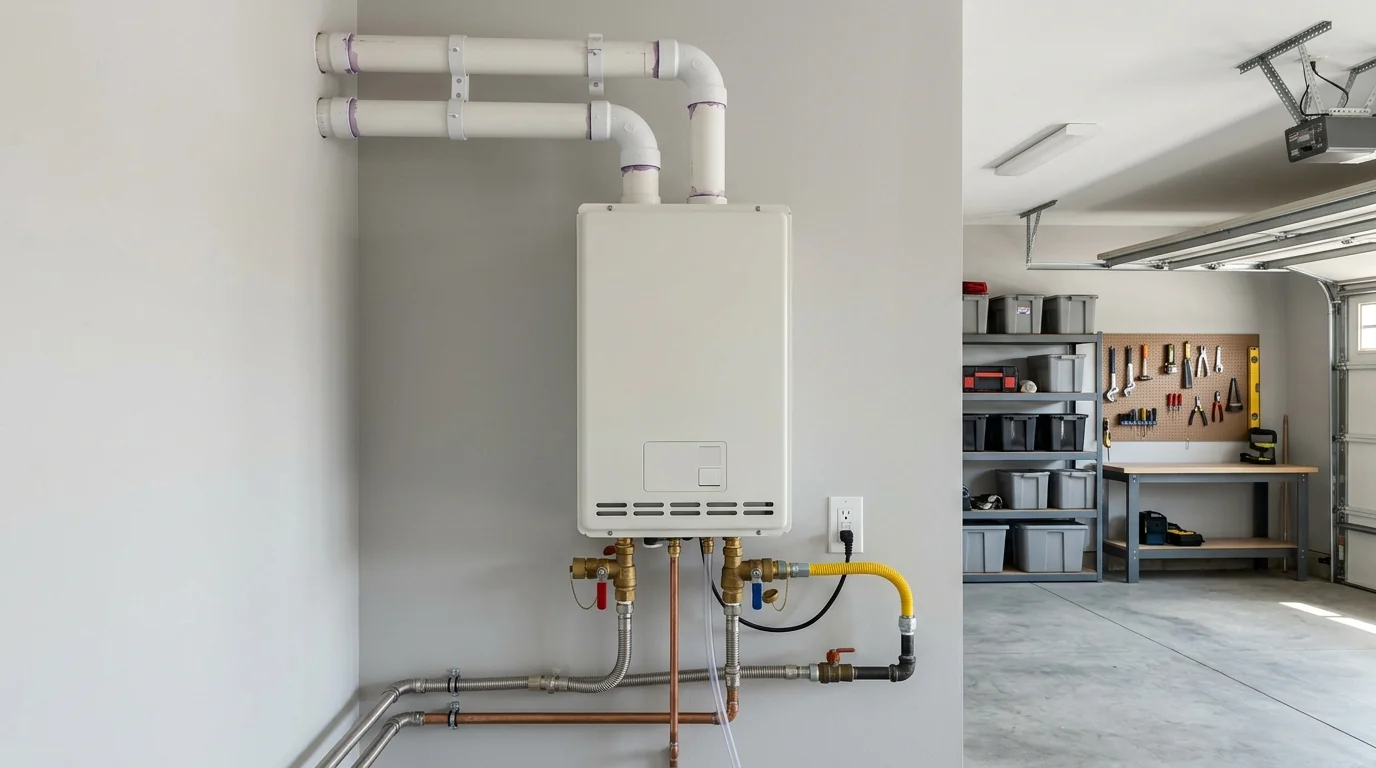
Gas tankless water heaters sized for cold winter water, installed with the gas line, venting and condensate drain done properly.
Learn more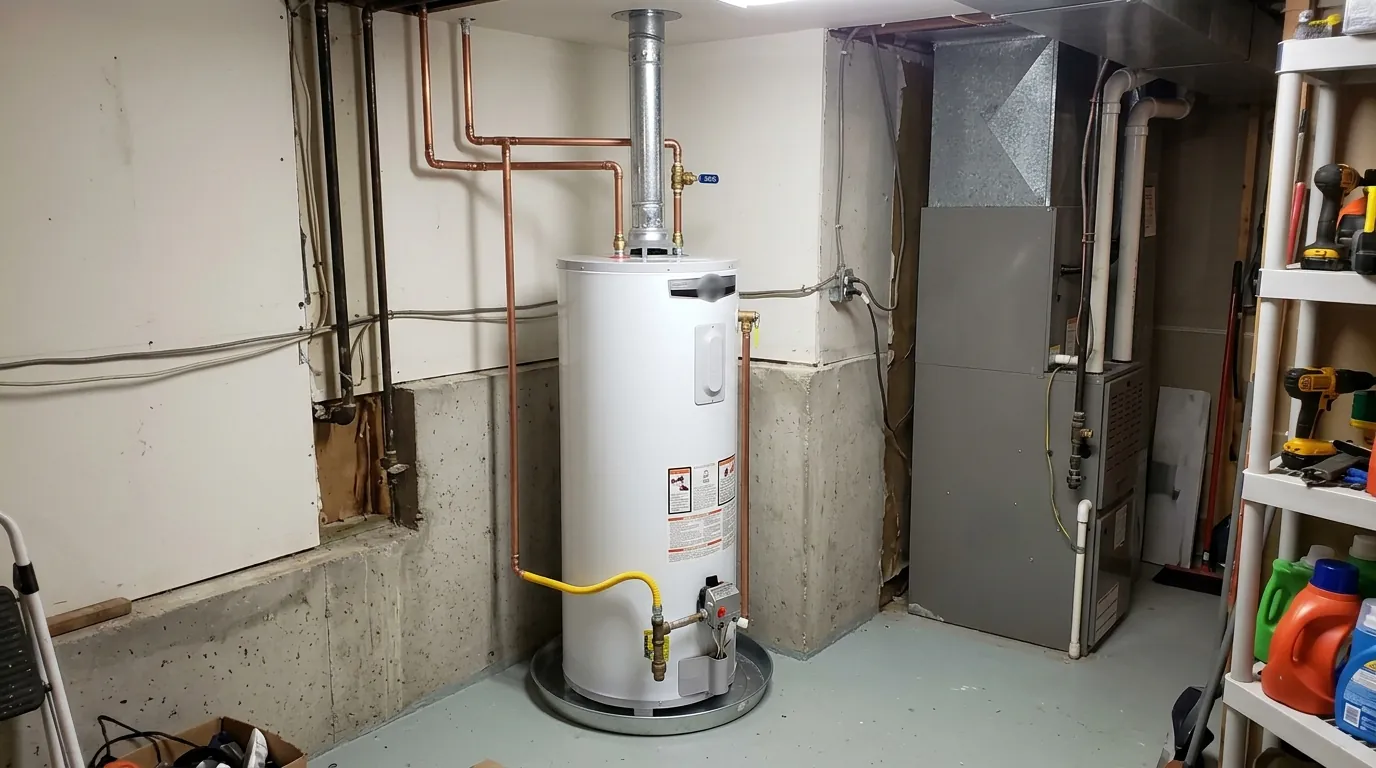
Water Heater Installation
New gas and electric tank water heaters sized for your household, set up for altitude, permitted, with the old tank hauled away.
Learn more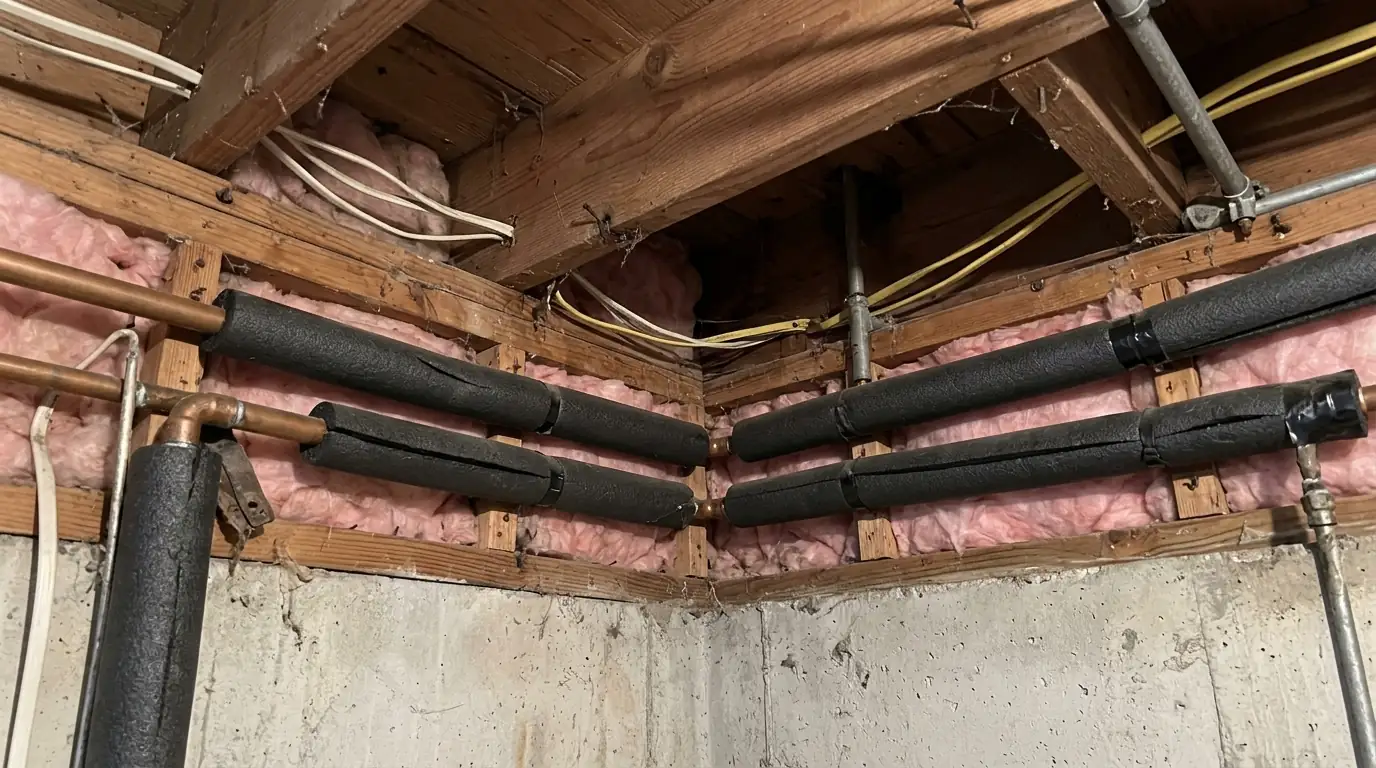
Pipe Freeze Protection
Pipe insulation, heat cable, rerouting and winter shutdown plans that keep water lines from freezing in deep cold.
Learn more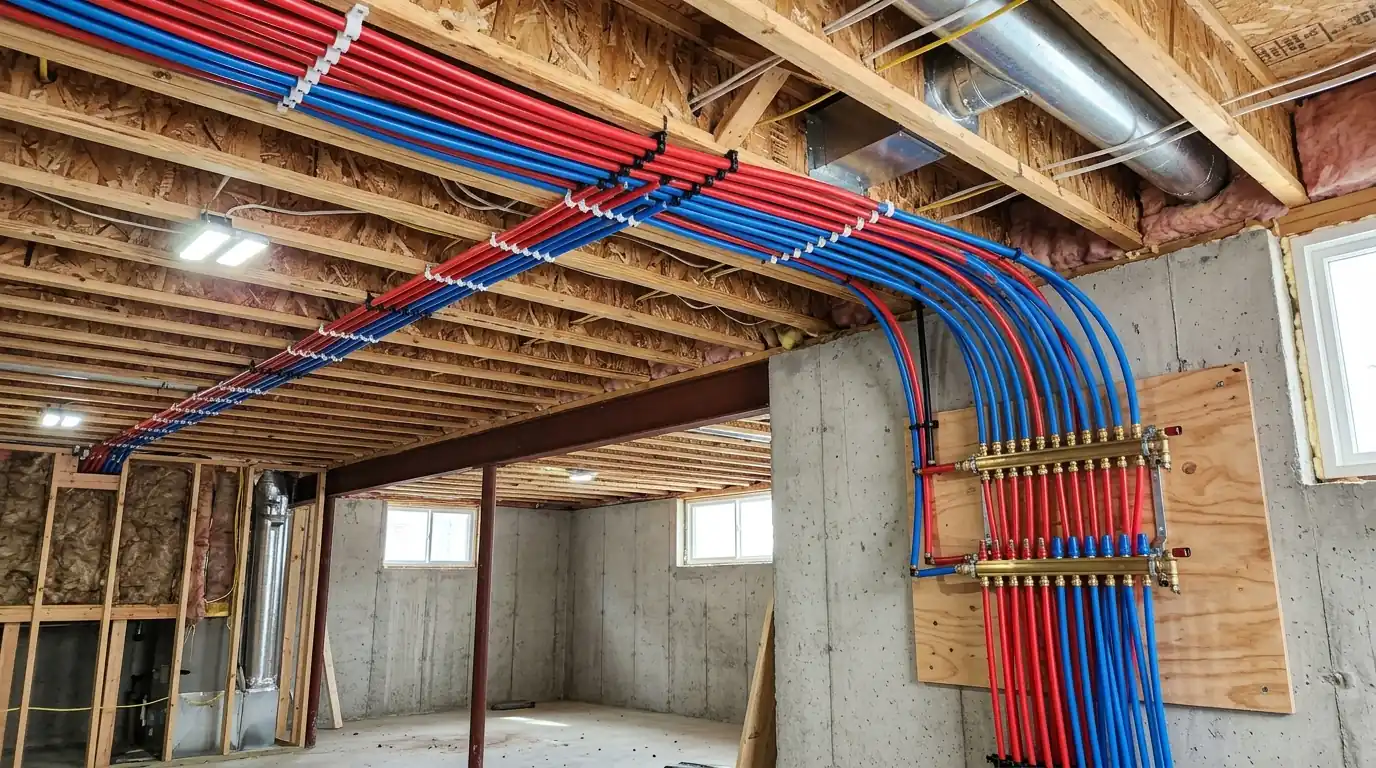
Whole-House Repiping
Replace failing galvanized, polybutylene or pinholed copper supply pipe with new PEX or copper throughout the whole house.
Learn moreQuestions
Hot Water Recirculation Pumps questions from Aurora homeowners
Does a recirculation pump raise my energy bill much?
It depends on the controls. A pump running all day can add noticeable cost through heat lost from the pipes. A timer or demand control limits that to a small amount, and the water saved from not running taps while waiting offsets part of it.
Will the cold tap run warm with a crossover valve system?
At the sink with the crossover valve, the cold tap may run slightly warm for a few seconds after the pump has cycled, because some hot water moved into the cold line. Most people barely notice. A dedicated return line avoids it entirely.
Can a recirculation pump work with my tankless heater?
Often yes, but not with every model. Some tankless units have a built-in pump and recirculation setting, while others need a specific pump to avoid short-cycling the burner. We check the model and its instructions before recommending a setup.
How long does it take to install a recirculation system?
A crossover valve system or a pump on an existing return line usually takes two to four hours. Adding a new outlet, insulating long runs or setting up a demand system with several sensors can push the job toward a full day.
Do recirculation pumps make noise?
Modern pumps for home use are quiet, usually a faint hum you hear only standing next to them. A noisy pump typically has air trapped in it or a failing bearing. Purging air during installation and mounting the pump correctly keeps it quiet.
Coverage
Where we do hot water recirculation pumps around Aurora
These neighborhoods and nearby cities cover most of the households we serve. Not listed? Call and ask.
- Original Aurora, Aurora 80010
- Del Mar, Aurora 80010
- Hoffman Heights, Aurora 80011
- Aurora Hills, Aurora 80012
- Village East, Aurora 80012
- Willow Park, Aurora 80012
- Aurora Knolls, Aurora 80012
- Heather Gardens, Aurora 80014
- Aurora 80012
- Denver 80202
- Centennial 80112
- Parker 80134
- Englewood 80110
- Littleton 80120
- Greenwood Village 80111
- Lone Tree 80124
Need help with hot water recirculation pumps?
Call any time, day or night. A real person answers and tells you what happens next.