Drains & sewer
Hydro jetting in Aurora, CO
Some drain lines clog again weeks after cleaning because a cable only opens a path through the buildup. Hydro jetting washes the pipe wall itself, so grease, scale and fine root growth come out instead of waiting for the next backup.
SERVICE PLATE
- Service
- Hydro Jetting
- Typical range
- $345 to $645
- Area
- Aurora and the east metro
- Hours
- Answered 24/7
- Phone
- (720) 894-1012
Brands we work on every week
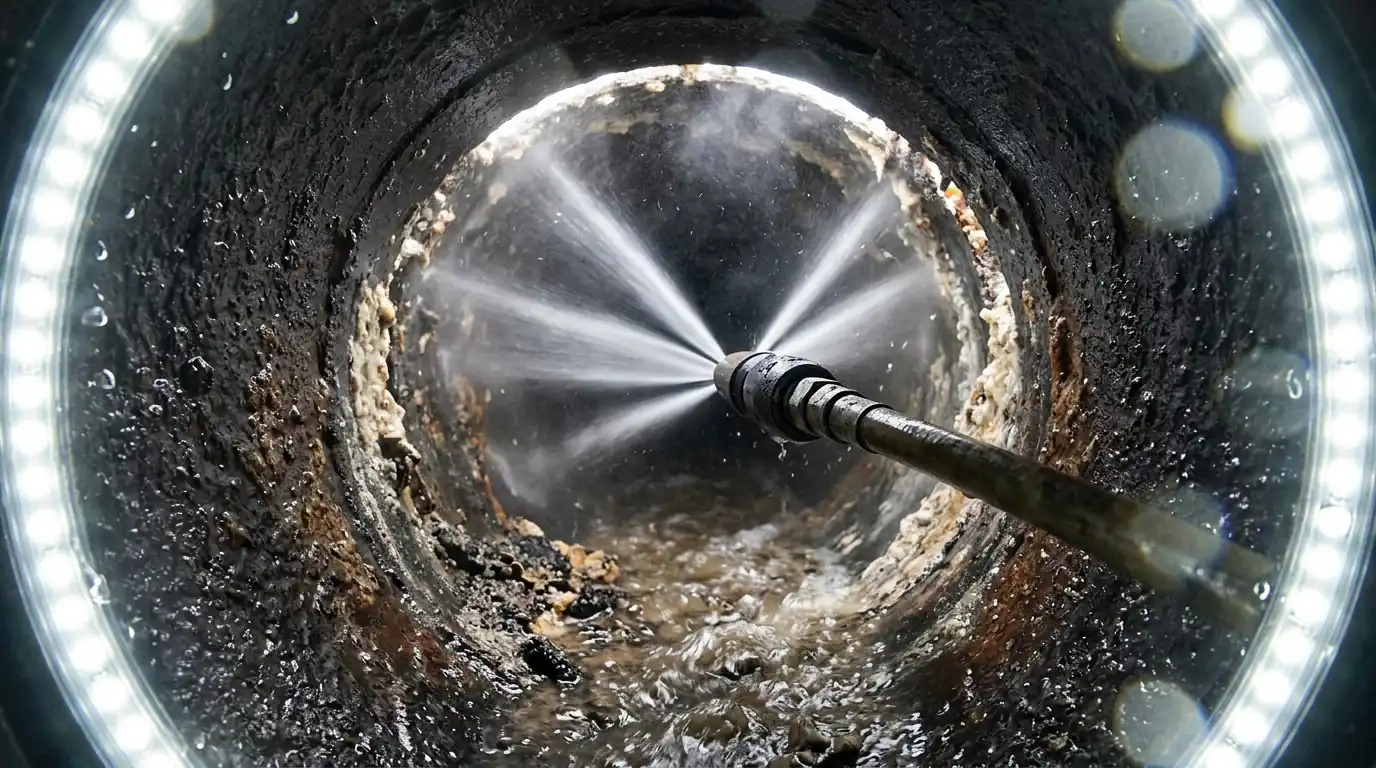
Hydro jetting uses a hose and nozzle that spray water at very high pressure, scrubbing the full inside surface of a drain or sewer line. It removes grease, soap scale and root hair that a cable leaves behind. We camera the line first, because jetting suits sound pipe but can make cracked or badly corroded sections worse.
How water pressure cleans a pipe better than a blade
A jetting nozzle has small openings that point backward and forward. The backward jets propel the hose up the line and scrub the walls as it travels, while the forward jet breaks into blockages ahead. As we pull the hose back slowly, the water carries everything it loosened down toward the city main.
A cable machine works well on a single blockage, but its cutting head is smaller than the pipe. It leaves a ring of grease or scale on the walls, and that ring catches the next load of debris. Jetting cleans the whole circumference, which is why lines that were jetted often stay clear far longer than lines that were only cabled.
Why we look inside before we jet
High pressure water is gentle on sound pipe but tough on weak pipe. Old clay with open joints, cast iron rusted thin at the bottom, or Orangeburg pipe that has gone soft can be damaged by jetting. A quick camera run tells us whether the pipe can handle it and which nozzle and pressure to use.
If the camera shows a collapsed section or a large break, jetting is the wrong tool and we'll tell you so. In that case, cleaning becomes a short term fix while you decide on a repair. Seeing the pipe first keeps you from paying for a service that can't solve the real problem.
What jetting can and cannot fix
Jetting restores flow in pipes that are structurally sound but dirty. It's the right tool for grease-coated kitchen lines, scaled cast iron, fine roots and sludge. It also makes a camera inspection far clearer, since buildup hides cracks and offsets. Many homeowners pair the two so they know exactly where the pipe stands.
It can't straighten a sagging pipe, close a gap between offset joints or rebuild a cracked wall. Roots that come back through a broken joint will regrow, even after a thorough jetting. In those cases, jetting buys time and prepares the line for a repair, but a liner or a new section is what ends the problem.
Pricing
Hydro jetting cost in Aurora
TYPICAL AURORA PRICE RANGES
| Kitchen or branch line hydro jetting | $345 to $645 |
|---|---|
| Main sewer line hydro jetting through a cleanout | $475 to $895 |
| Jetting with before and after camera inspection | $595 to $1,085 |
| Root and scale jetting on a long lateral | $645 to $1,185 |
| Pre-lining cleaning and prep | $545 to $985 |
These are typical Aurora ranges, not a quote. Your price depends on the pipe, the buildup and what the camera shows once we look inside.
- Line length and diameterA short kitchen branch takes less time and water than a long four inch lateral running out to a main across the street.
- What's insideLight grease clears in one pass. Heavy scale, packed roots or years of sludge take several passes and specialty nozzles.
- AccessA clean, reachable cleanout speeds the job. Without one, we may need to add access or work through a toilet flange.
- Camera workMost jobs include at least one camera run. Before and after footage costs a little more but tells you exactly what you paid for.
Compare more jobs in our plumbing price guide.
Step by step
The sequence we follow on every jetting job
- 01
We camera the line first
A camera run shows the pipe material, its condition and where the buildup sits. That decides whether jetting is safe and how we set it up.
- 02
We choose the nozzle and pressure
Grease, scale and roots each call for a different nozzle. Pressure is matched to the pipe, gentler for old clay and stronger for sound PVC.
- 03
We jet from the best access point
Most jobs run through a cleanout so the hose can travel straight to the city main. We protect floors and fixtures around the work area.
- 04
We camera again to confirm
A second look shows the cleaned pipe and any defects the buildup was hiding. You see the before and after footage side by side.
- 05
We share the results
You get the video and a plain explanation of what we cleaned, what we saw, and whether the pipe needs any repair in the near future.
Warning signs
When does a drain need jetting instead of a cable?
The same line clogs again and again
If a kitchen or main line backs up within months of cable cleaning, buildup is still lining the walls. Jetting removes that coating so the pipe stays open longer.
Heavy grease from a busy kitchen
Fats cling to pipe walls and harden as they cool. A cable pokes through grease, while a jetting nozzle melts and scours it loose down to the pipe surface.
Fine roots filling the joints
After large roots are cut, a mat of hair-thin roots often remains. Jetting flushes that fine growth out so the line drains at its full size.
Scale inside older cast iron
Rust scale narrows cast iron drains over decades. Jetting with the right nozzle knocks loose flakes and buildup, if the pipe walls are still solid enough.
Sand or sludge settled in the line
Fine sediment can collect in low spots and slow drainage. Water pressure carries that material downstream to the main, which a cable cannot do.
Prepping a pipe for lining
Before a liner can be installed, the old pipe must be clean and smooth. Jetting is the standard prep step for trenchless lining work.
Aurora notes
Where hydro jetting helps most in Aurora homes
Central Aurora has many 1960s and 1970s ranches and split-levels with cast iron drains that have now been in service for decades. Rust scale builds up inside that pipe and narrows it slowly, so homeowners see more frequent clogs as the years pass. If the camera shows the walls are still solid, jetting can clear years of buildup and give that cast iron a lot more useful life.
In Original Aurora, clay and cast iron sewer laterals are common, and roots find their joints easily. Shifting expansive clay soil can also open those joints a little wider over time. After roots are cut, jetting removes the fine growth that remains and gets the line ready for a clear camera view or a pipe liner. We match the nozzle and pressure to the pipe's age and material.
Related work
Other plumbing jobs that often go with this one
Main Sewer Line Cleaning
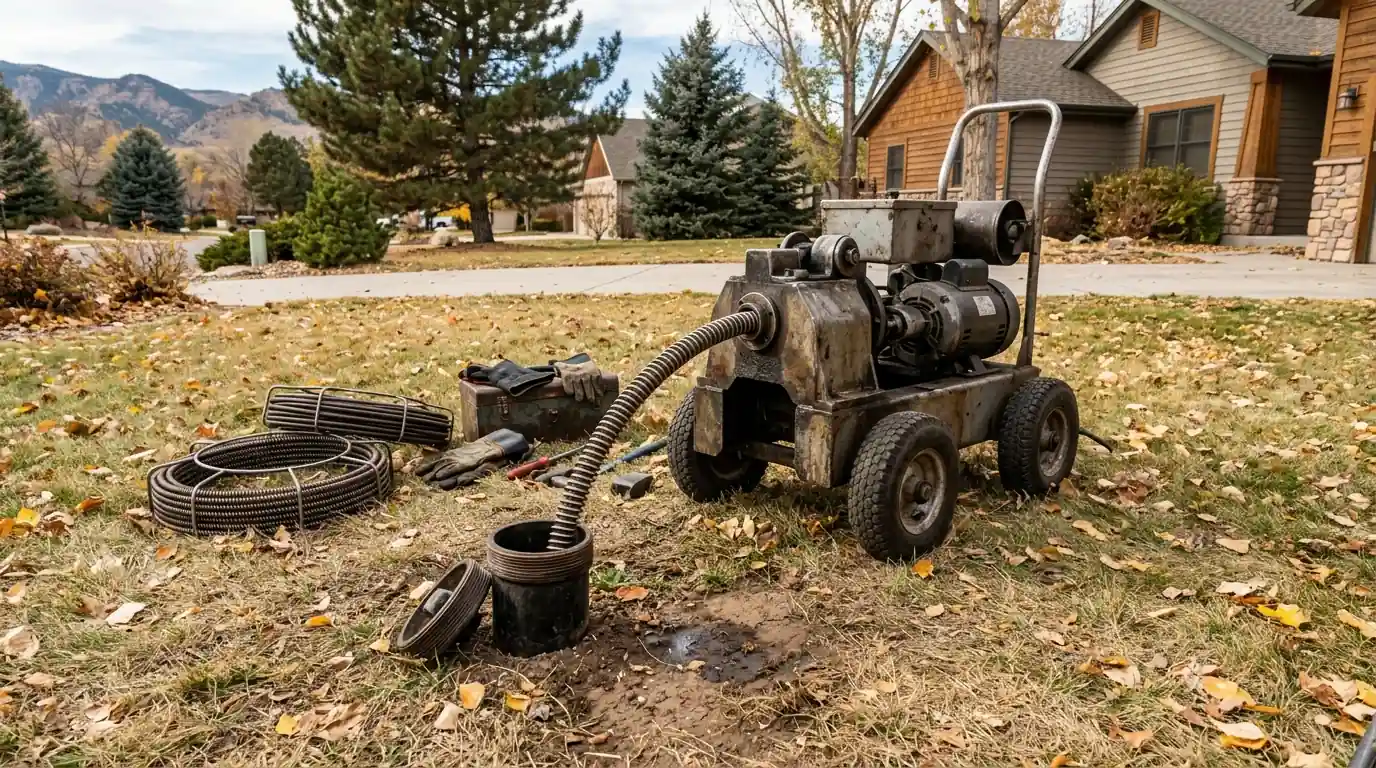
Backups at the lowest drain, tree roots and buildup cleared from the main lateral between your house and the city main.
Learn more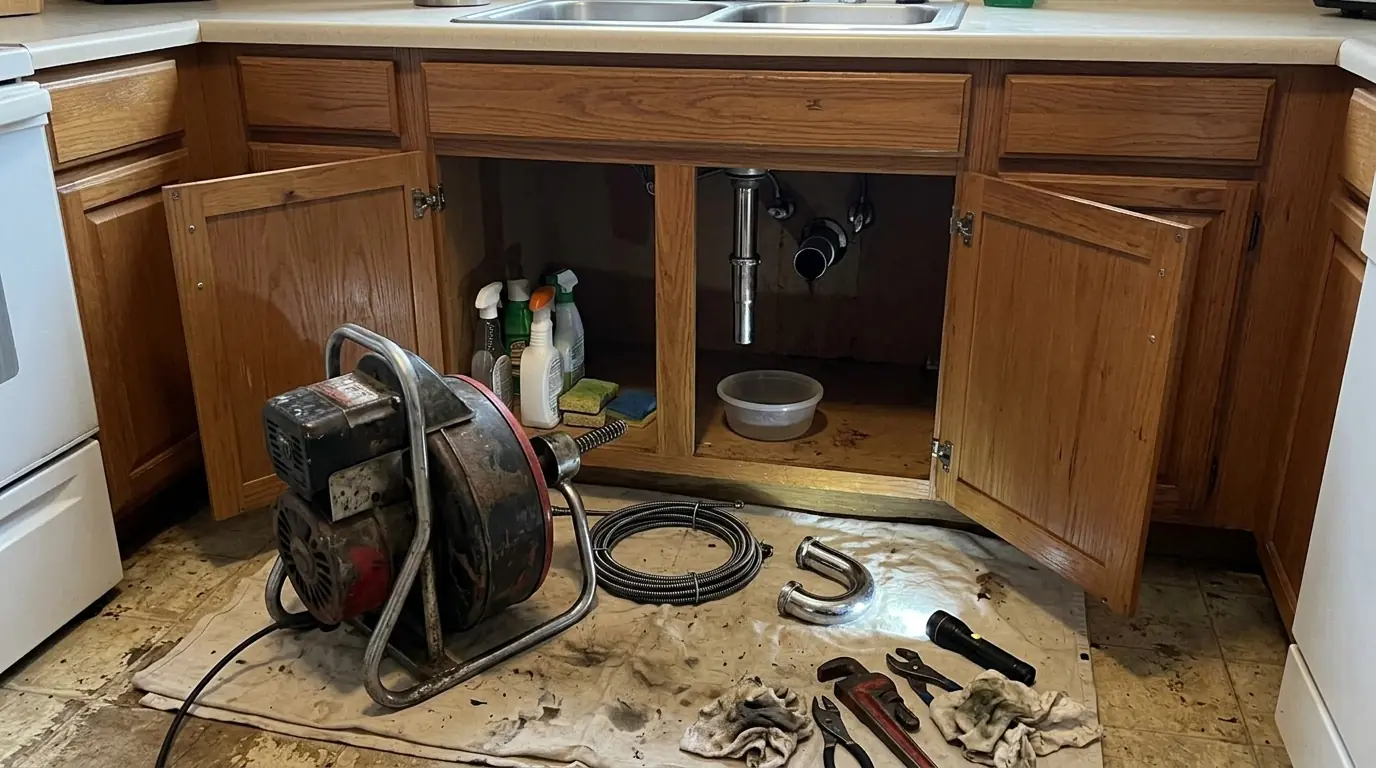
Drain Cleaning
Slow or stopped sinks, tubs, showers, floor drains and laundry lines cleared at the clog, without harsh chemicals.
Learn more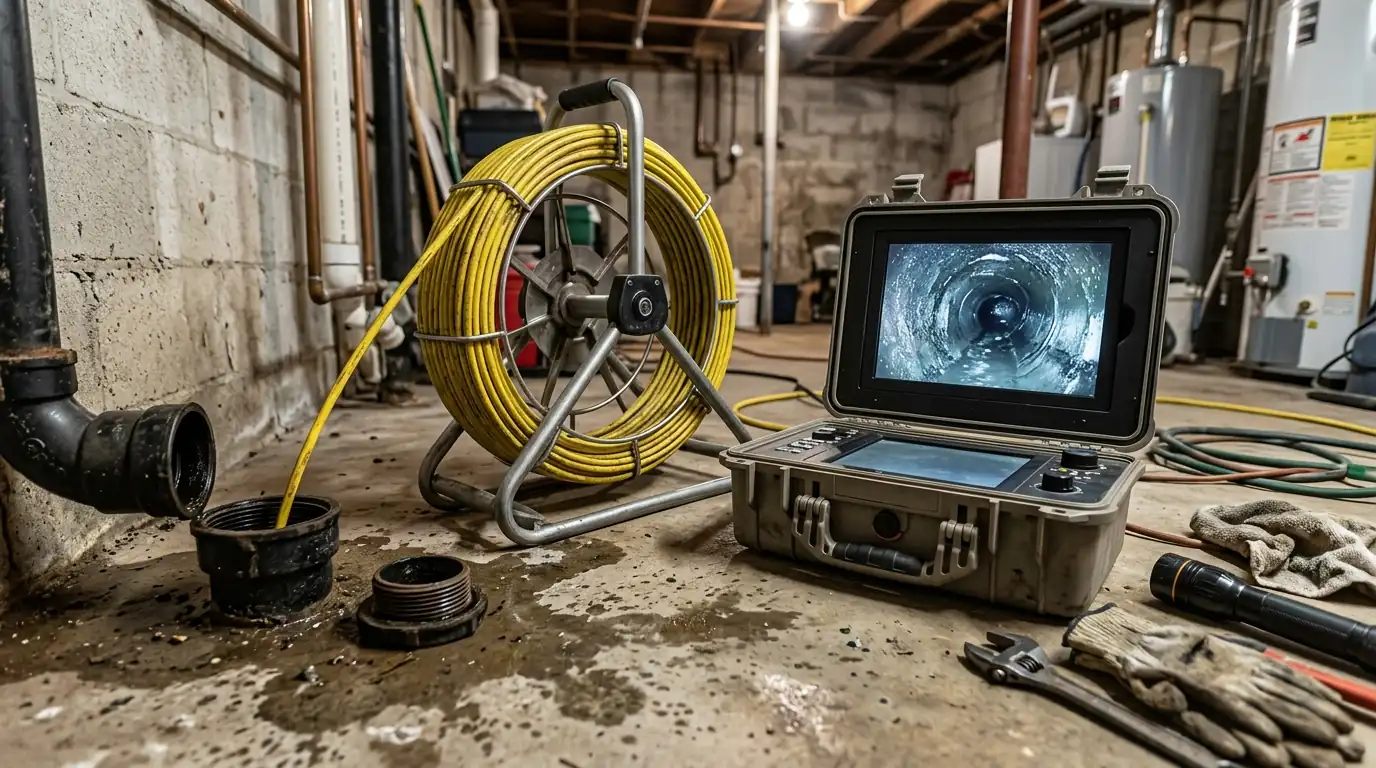
Sewer Camera Inspection
A waterproof camera shows roots, cracks, sags and pipe material in your sewer line, with recorded video you keep.
Learn more
Trenchless Sewer Repair
Pipe lining and pipe bursting renew a damaged sewer line through small access points, saving driveways, trees and lawns.
Learn moreQuestions
Hydro Jetting questions from Aurora homeowners
Can hydro jetting damage old cast iron or clay sewer pipe?
It can if the pipe is already badly cracked, rusted thin or separated at the joints. That's why we camera the line first and adjust pressure to the pipe. Sound older pipe handles jetting well. Fragile sections are better served by gentle cleaning and a repair plan.
How long does a hydro jetted sewer line stay clean?
It depends on what caused the buildup. A grease-coated line that gets better kitchen habits can stay clear for years. Lines with roots coming through broken joints will see regrowth, often within a year or two, because the opening that let the roots in is still there.
Is hydro jetting worth it for a kitchen sink line that keeps clogging?
Often, yes. Kitchen lines clog because grease coats the full pipe wall, and a cable only opens a small hole through it. Jetting removes that coating so the line drains at full size. For lines that clog every few months, it usually costs less than repeated cable visits.
Does hydro jetting use a lot of water from my house?
It uses a moderate amount, usually supplied from an outdoor hose bib through the jetting unit. The water carries the loosened debris down to the city main. We'll ask permission before connecting and make sure the hose bib is working and not leaking first.
Do I need hydro jetting before a sewer pipe liner goes in?
Yes. A liner bonds to the inside of the old pipe, so roots, grease and scale have to be removed first. Jetting cleans the walls down to bare pipe, and a camera confirms the line is ready. Skipping that step can leave bumps and weak spots in the finished liner.
Coverage
Where we do hydro jetting around Aurora
These neighborhoods and nearby cities cover most of the households we serve. Not listed? Call and ask.
- Original Aurora, Aurora 80010
- Del Mar, Aurora 80010
- Hoffman Heights, Aurora 80011
- Aurora Hills, Aurora 80012
- Village East, Aurora 80012
- Willow Park, Aurora 80012
- Aurora Knolls, Aurora 80012
- Heather Gardens, Aurora 80014
- Aurora 80012
- Denver 80202
- Centennial 80112
- Parker 80134
- Englewood 80110
- Littleton 80120
- Greenwood Village 80111
- Lone Tree 80124
Need help with hydro jetting?
Call any time, day or night. A real person answers and tells you what happens next.