Fixtures
Appliance water and drain hookups in Aurora, CO
New appliances fail most often at the hookup, not inside the machine, when a supply line kinks or a drain hose siphons. We install the valves, lines and drains your washer, dishwasher and refrigerator need, then run each one and watch it stay dry.
SERVICE PLATE
- Service
- Appliance Water & Drain Hookups
- Typical range
- $165 to $315
- Area
- Aurora and the east metro
- Hours
- Answered 24/7
- Phone
- (720) 894-1012
Brands we work on every week
A proper appliance hookup needs three things: a working shutoff valve, a supply line rated for the job, and a drain that cannot siphon or overflow. Most leaks we find trace back to reused rubber hoses, a missing dishwasher high loop or a standpipe that is too short. We fix all three in one visit when the parts are standard.
What a leak-proof washer connection looks like
We start at the wall. A recessed washer box with quarter turn valves keeps hoses from kinking and gives you a quick way to shut water off before a trip. Behind it, the drain needs a trap, a vent and a standpipe tall enough to stop overflow but short enough to keep dirty water from siphoning back into the drum.
On the machine side we use braided stainless hoses instead of rubber, and we leave a little slack so the washer can walk slightly during spin without pulling a fitting loose. If the laundry sits on a second floor or over finished space, we strongly suggest a drain pan piped to a safe spot, plus an automatic shutoff valve.
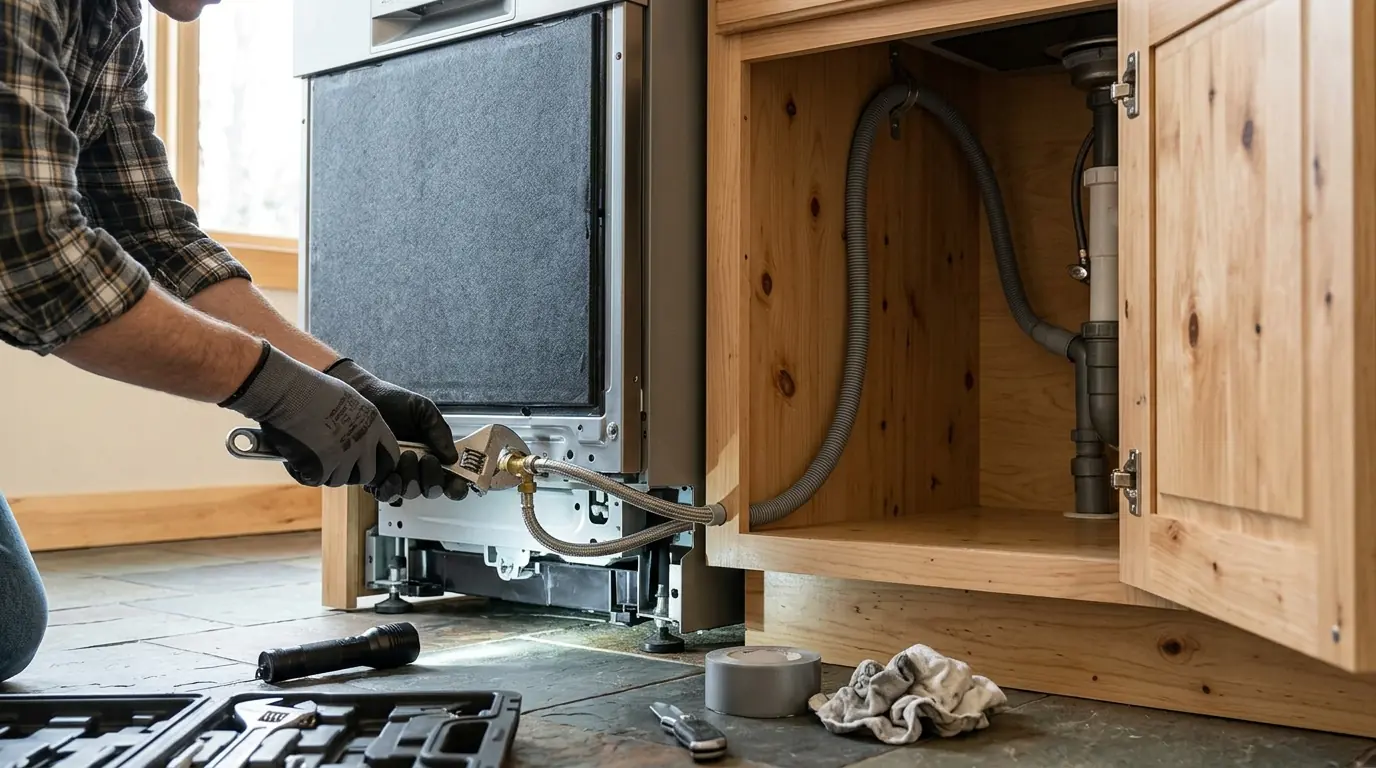
Dishwasher hookups that drain the right direction
A dishwasher needs a hot water supply with its own shutoff, a drain connection at the disposal or a sink tailpiece, and a way to stop dirty sink water from flowing back in. That last part is either a high loop, where the drain hose is fastened up under the counter, or an air gap mounted on the sink deck.
When a dishwasher drains into a new disposal, the knockout plug inside the disposal inlet has to be removed first. Skipping that step is the most common reason a brand new dishwasher won't drain. We also check that the supply fitting under the unit is snug, since a slow drip there can rot a subfloor quietly for months.
Refrigerator, ice maker and specialty water lines
Refrigerator water lines are small, but they sit under pressure all day. We tap them from a nearby cold line with a proper tee and valve rather than a saddle valve that pierces the pipe. Saddle valves were common for years, and they are still a frequent source of slow leaks under kitchen sinks and in basement ceilings.
The same approach works for coffee makers, pot fillers, steam ovens and utility sinks. Each one gets a dedicated valve you can reach without pulling the appliance out of its spot. If a fixture needs filtered water, we can add an inline filter where changing the cartridge is easy instead of buried behind a cabinet.
Pricing
Typical prices for appliance hookups in Aurora
TYPICAL AURORA PRICE RANGES
| Dishwasher supply, drain and high loop or air gap | $165 to $315 |
|---|---|
| Washer box valve replacement | $185 to $365 |
| New recessed washer box with valves | $345 to $685 |
| Refrigerator or ice maker water line with new valve | $135 to $265 |
| Washer drain pan with drain line | $215 to $435 |
| New laundry standpipe with trap and vent tie-in | $385 to $865 |
These are typical Aurora ranges, not a quote. Your final price depends on the existing pipe, the access and what we find once the wall box is open.
- Wall accessA washer box swap in an unfinished basement wall is quick. Opening and patching finished drywall adds time, and we tell you that before cutting anything.
- Condition of the pipeCorroded galvanized pipe or brittle polybutylene near the valves may need a short section replaced so the new valve has something solid to attach to.
- Distance to the nearest lineAn ice maker on a wall far from any cold water line needs a longer run, sometimes through cabinets or across a basement ceiling.
- Drain changesAdding a new standpipe or moving a drain takes more work than reusing a sound existing one, especially when a vent has to be added.
Compare more jobs in our plumbing price guide.
Step by step
How an appliance hookup visit goes from start to finish
- 01
Tell us what is arriving
The brand, the model and where it is going help us bring the right valves, hoses and drain parts, so the hookup can happen on the same trip.
- 02
We check the existing connections
We test the shutoff valves, look at the drain path and confirm the supply pipe is in good shape before anything new gets attached to it.
- 03
We replace what is worn out
Seized valves, plastic ice maker tubing, rubber hoses and short standpipes get swapped. You approve each item and its price before we touch it.
- 04
We connect and secure everything
Supply lines, drain hoses, high loops and air gaps are installed and fastened, with enough slack where the appliance needs to move or be serviced.
- 05
We run a full test cycle
We fill, drain and spin the washer, or run the dishwasher and ice maker, watching every joint for drips before the appliance slides into place.
Warning signs
When does an appliance hookup need a plumber instead of a wrench?
The washer valves won't turn
Old multi-turn valves in a washer box often seize after years of sitting open. Forcing them can snap the stem, so replacing the valves before connecting a new machine saves you a flood later.
Water spills out of the standpipe
If the washer drain overflows during the spin cycle, the standpipe may be too short, too narrow or partly clogged downstream. Modern washers pump water out faster than older machines did.
Dirty water sits in the dishwasher
Standing water after a cycle can mean a kinked drain hose, a disposal knockout plug that was never removed, or a missing high loop that lets sink water drain back into the tub.
The ice maker line is thin plastic tubing
Plastic supply tubing gets brittle and cracks behind the refrigerator where nobody sees it. A braided stainless line with a proper quarter turn valve is far more reliable over the years.
There is no shutoff behind the appliance
Some older kitchens feed the dishwasher straight off the hot line with no separate valve. Without one, any appliance repair means shutting off water to the whole house first.
You are moving the laundry room
Relocating a washer to a new floor or closet takes new supply lines, a new drain with a trap and vent, and often a drain pan. That is plumbing work, not an appliance swap.
Aurora notes
Laundry rooms and kitchens in Aurora houses
Many Aurora homes keep the laundry in a basement utility room next to the water heater and floor drain. That layout is forgiving, because spills find a drain. The tradeoff is age. In Original Aurora and central Aurora, the washer valves and drain lines in those rooms are often original, with galvanized supply pipe or cast iron drains that have narrowed inside over the decades, so we check both before we hook up a new machine.
In the two-story homes of southeast Aurora and in newer master-planned neighborhoods, laundry often sits on the second floor near the bedrooms. A failed hose there can soak a ceiling and the room below before anyone notices. For those rooms we push for braided hoses, a drain pan and an automatic shutoff. In homes built roughly 1978 to 1995 we also look for gray polybutylene feeding the washer box, since its fittings are prone to failure.
Related work
Other plumbing jobs that often go with this one
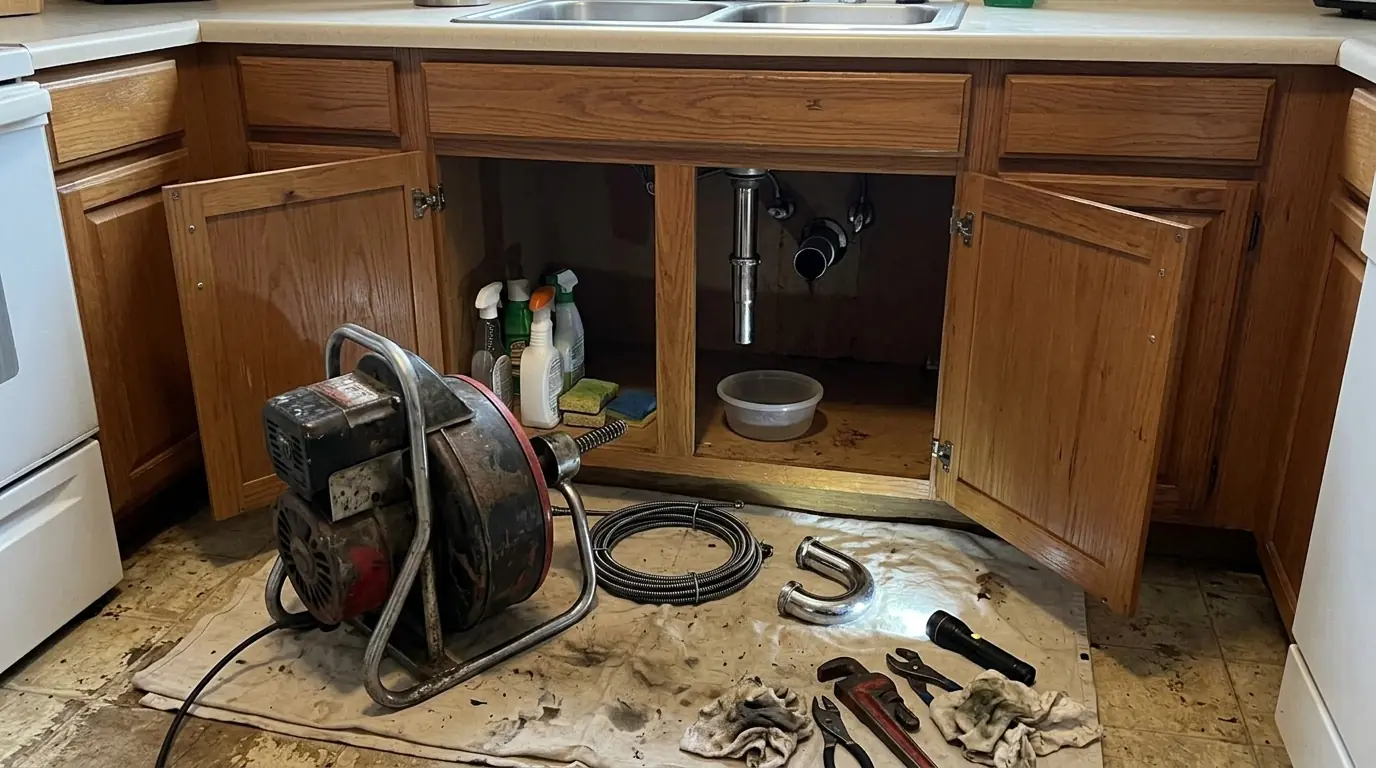
Drain Cleaning
Slow or stopped sinks, tubs, showers, floor drains and laundry lines cleared at the clog, without harsh chemicals.
Learn more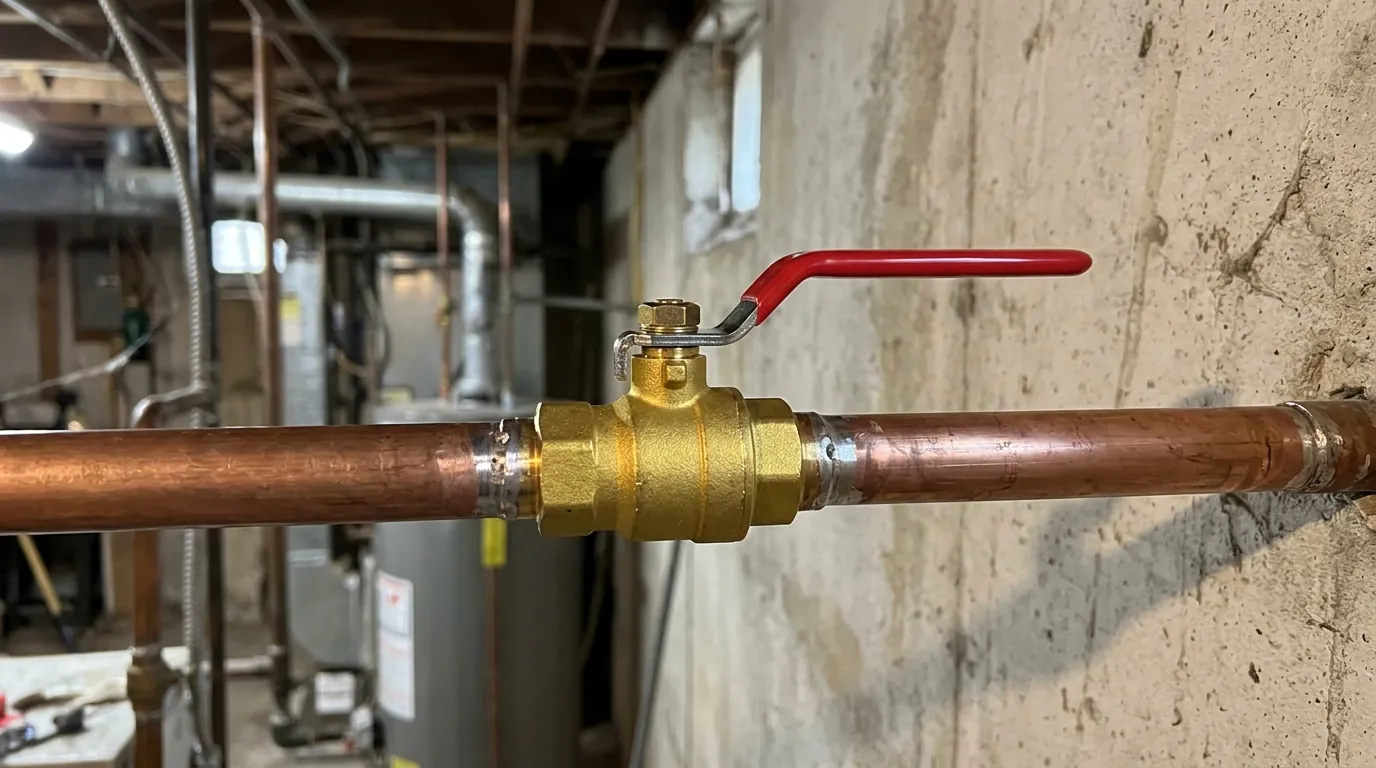
Shut-Off Valve Replacement
Swap seized gate valves and leaky fixture stops for quarter-turn ball valves you can close fast in an emergency.
Learn more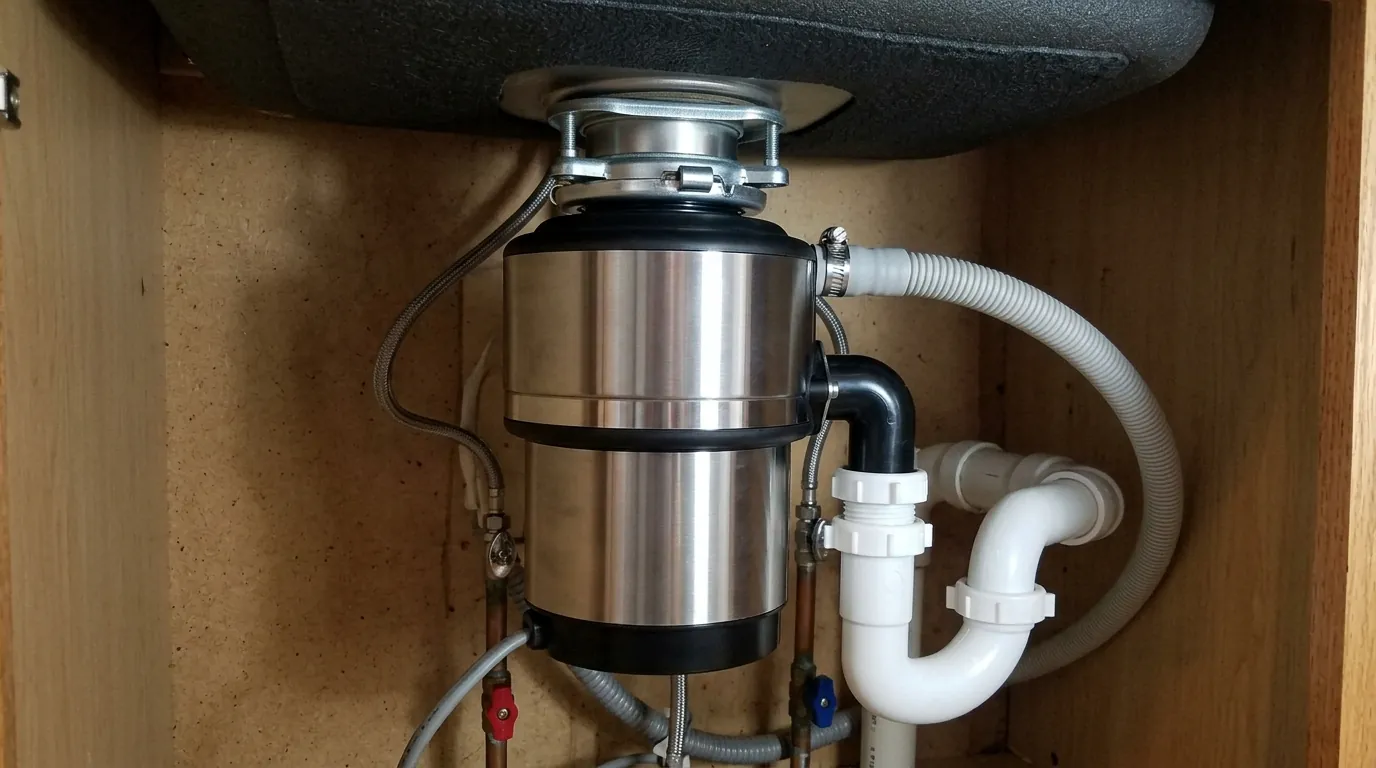
Garbage Disposal Repair & Installation
Jammed, humming, leaking or dead garbage disposals repaired or replaced, with the dishwasher drain reconnected correctly.
Learn more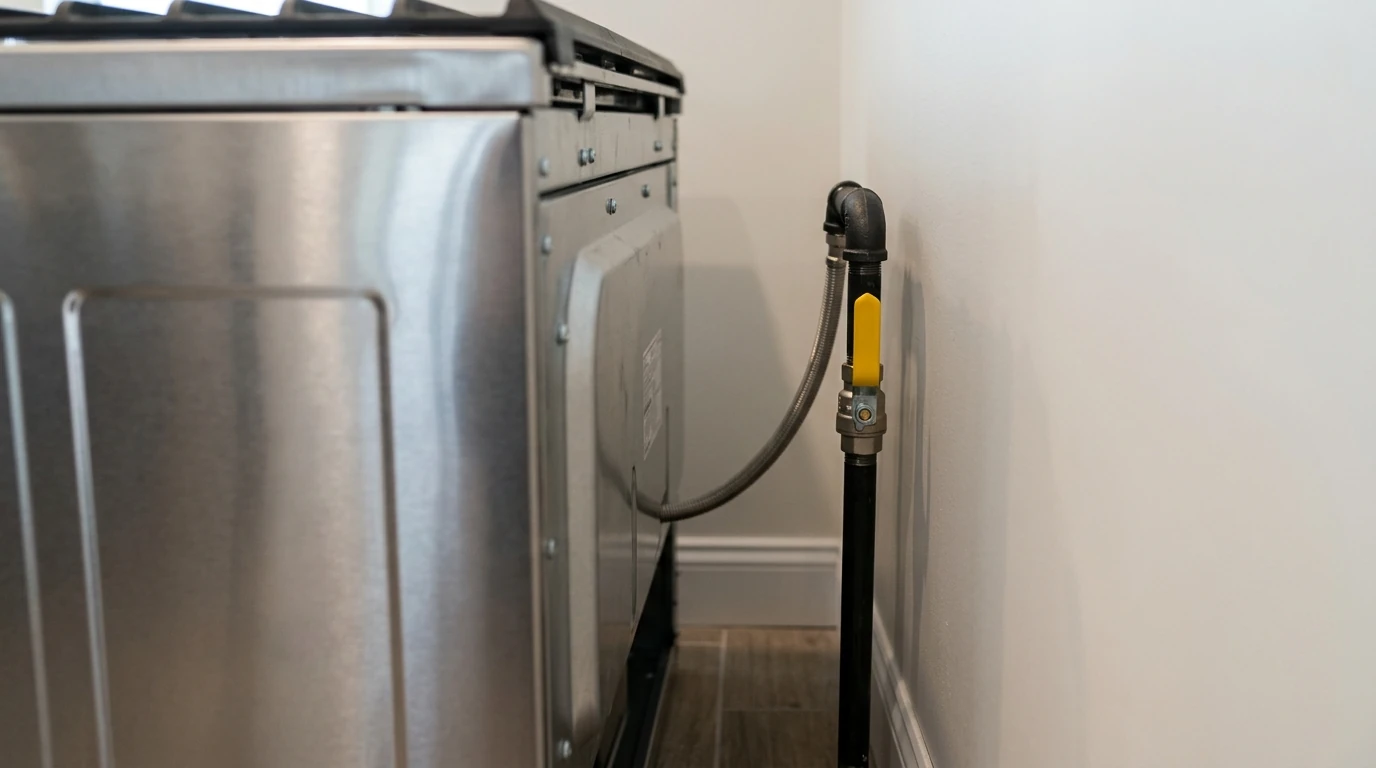
Gas Line Installation
New gas lines for ranges, dryers, fire pits, grills, garage heaters and generators, sized for the load and pressure tested.
Learn moreQuestions
Appliance Water & Drain Hookups questions from Aurora homeowners
Do I need a plumber to hook up a new dishwasher in Aurora?
Not always. If the old valve, supply line and drain are in good shape and the new unit lines up with them, a handy homeowner can do it. We usually get called when the valve won't shut off, the drain needs a high loop or air gap, or the old connection is a saddle valve or a corroded fitting.
Why does my washer standpipe overflow during the spin cycle?
The drain line is either too small, too short or partly clogged further down. Newer washers pump water out quickly, and an old one and a half inch line can't always keep up. Clearing the line sometimes fixes it. Otherwise we upsize the standpipe and trap so the water has somewhere to go.
Is a saddle valve on my ice maker line a problem?
It can be. Saddle valves clamp onto a pipe and pierce it with a needle, and the rubber seal hardens with age. Many slow kitchen leaks start right there. We replace them with a proper tee and a quarter turn valve that shuts off cleanly when the refrigerator needs service or gets replaced.
Should I add an automatic shutoff for an upstairs washer?
If your laundry is on the second floor or over finished rooms, it is a smart upgrade. A sensor on the floor or in the pan closes the supply valves when it detects water. Paired with braided hoses and a drain pan, it turns a burst hose into a small puddle instead of a ceiling repair.
How often should washing machine hoses be replaced?
Rubber hoses should be checked every year and replaced every few years, sooner if they bulge, crack or look stiff at the ends. Braided stainless hoses last longer but still deserve a look now and then. Turning the washer valves off when you travel is a cheap way to lower the risk.
Coverage
Where we do appliance water & drain hookups around Aurora
These neighborhoods and nearby cities cover most of the households we serve. Not listed? Call and ask.
- Original Aurora, Aurora 80010
- Del Mar, Aurora 80010
- Hoffman Heights, Aurora 80011
- Aurora Hills, Aurora 80012
- Village East, Aurora 80012
- Willow Park, Aurora 80012
- Aurora Knolls, Aurora 80012
- Heather Gardens, Aurora 80014
- Aurora 80012
- Denver 80202
- Centennial 80112
- Parker 80134
- Englewood 80110
- Littleton 80120
- Greenwood Village 80111
- Lone Tree 80124
Need help with appliance water & drain hookups?
Call any time, day or night. A real person answers and tells you what happens next.