Fixtures
Toilet installation in Aurora, CO
Replacing a toilet looks simple until the old flange crumbles or the new bowl doesn't fit the rough-in. We measure first, help you choose a model that fits your bathroom, and set it so it stays solid and dry for years.
SERVICE PLATE
- Service
- Toilet Installation
- Typical range
- $235 to $395
- Area
- Aurora and the east metro
- Hours
- Answered 24/7
- Phone
- (720) 894-1012
Brands we work on every week
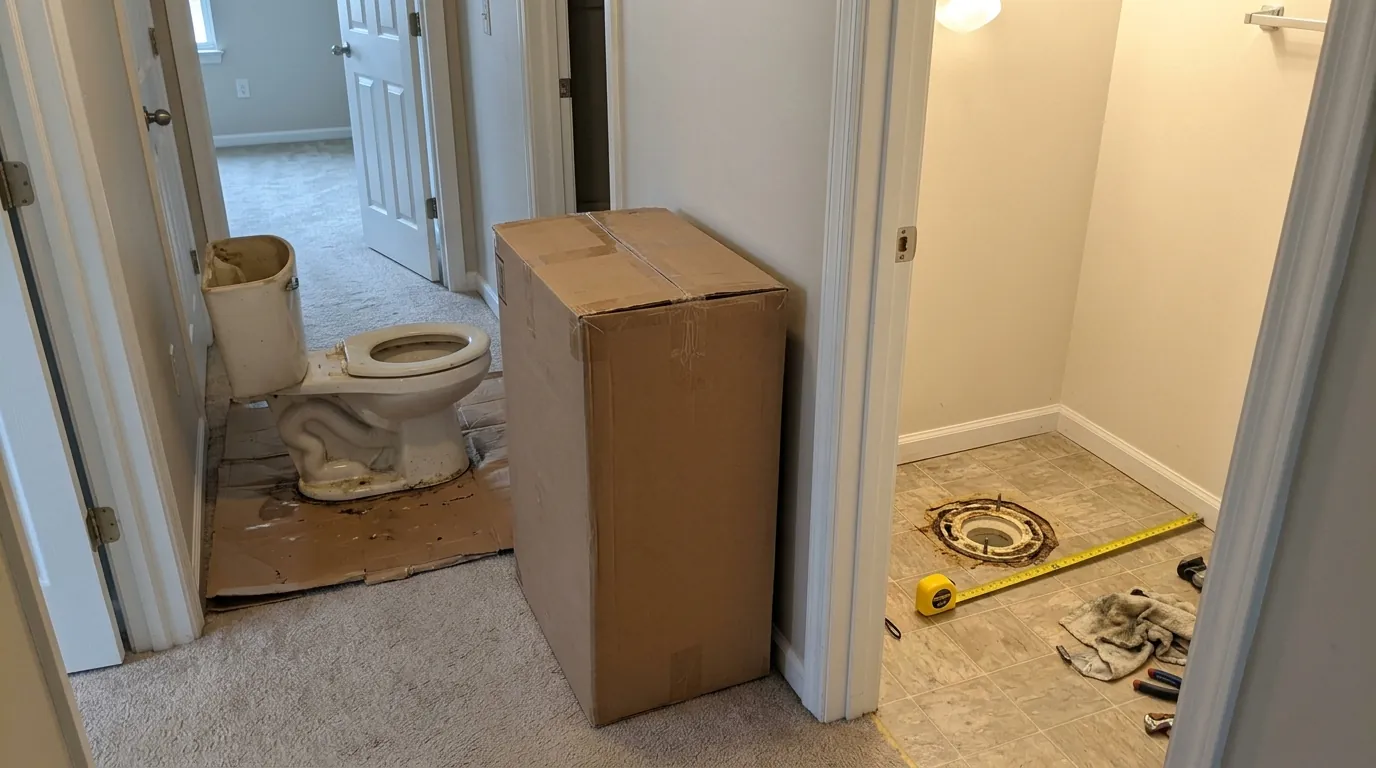
A proper toilet installation starts with measuring the rough-in, the distance from the wall to the center of the drain, so the new toilet fits. We remove the old toilet, check and repair the flange, set the new one on a fresh seal with a new supply line and stop if needed, and haul the old toilet away.
Will a new toilet fit your bathroom?
The rough-in measurement decides which toilets fit. Most homes use a 12 inch rough-in, measured from the finished wall to the center of the drain, but some older bathrooms use 10 or 14 inches. Buying the wrong size leaves a gap behind the tank or pushes the bowl too far into the room. We measure before you buy so the toilet you pick lines up correctly.
Bowl shape and height matter too. Round bowls save space in small powder rooms, while elongated bowls are more comfortable but stick out a couple of inches farther. Comfort-height toilets sit closer to chair height. We check clearances to the vanity, the tub and the door swing, so the new toilet doesn't crowd the room.
Choosing a toilet that flushes well and uses less water
Modern efficient toilets work far better than the early low-flow models many people remember. Look for a large flush valve, a fully glazed trapway and solid performance ratings from the maker. Dual-flush models give you a lighter flush for liquids. One-piece toilets cost more but have fewer crevices to clean and no tank bolts that can leak later.
We are happy to install a toilet you have already bought, or we can suggest a few reliable models in different price ranges. Either way, we check the box before installation for cracks or shipping damage. Spotting a chipped tank on the driveway is much better than finding it after the toilet is set and caulked in place.
The flange, the seal and why the base must stay dry
The flange is the fitting that anchors the toilet to the drain. If it is broken, rusted or sitting below the finished floor, a new wax ring won't seal well. We repair or replace damaged flanges, add spacers when new flooring has raised the floor and choose between wax and wax-free seals based on what the flange looks like.
After the toilet is set, we tighten the bolts evenly so the porcelain doesn't crack, shim any gaps so it can't rock and connect a new braided supply line. We fill and flush it several times, check for leaks at the tank, the supply and the base, then caulk or leave a small gap at the back based on your preference.
Pricing
Typical toilet installation prices in Aurora
TYPICAL AURORA PRICE RANGES
| Install a customer-supplied toilet | $235 to $395 |
|---|---|
| Supply and install a standard two-piece toilet | $465 to $785 |
| Supply and install a one-piece or skirted toilet | $745 to $1,265 |
| Flange replacement during installation | $165 to $385 |
| Haul-away and disposal of the old toilet | $45 to $85 |
These are typical ranges for Aurora homes, not a quote. The final price depends on the toilet you choose and the condition of the flange and floor we find.
- Toilet modelBasic two-piece toilets cost far less than one-piece, skirted or smart toilets, which also take a bit more time to set and connect.
- Flange and floorA broken flange, cast iron repairs or soft subfloor add parts and labor before the new toilet can go in securely.
- Shutoff and supplyIf the stop valve behind the toilet is seized or corroded, we replace it with a quarter-turn valve during the same visit.
- Bathroom locationToilets on upper floors or in tight basement bathrooms take a little more time to move in and out than those in an open main floor bath.
Compare more jobs in our plumbing price guide.
Step by step
How we install your new toilet
- 01
Measure and plan
We check the rough-in, clearances, flange condition and the shutoff behind the toilet, then help you pick a model that fits the space and your budget.
- 02
Remove the old toilet
We shut off and drain the old toilet, lift it out, clean the old seal off the flange and plug the drain so sewer gas stays out.
- 03
Repair what's underneath
We fix or replace a damaged flange, add spacers if the floor height changed and check the subfloor for soft spots before setting anything.
- 04
Set and connect
We set the new toilet on a fresh seal, tighten the bolts evenly, shim it level, install the tank and connect a new supply line.
- 05
Test and haul away
We flush several times, check every joint for leaks, adjust the water level, then take the old toilet and packaging with us.
Warning signs
Good reasons to replace a toilet instead of repairing it
Cracks in the tank or bowl
Even a hairline crack in porcelain can let go suddenly. Once a crack appears, replacement is the safe answer, because porcelain can't be reliably sealed or patched.
Constant clogging with normal use
Some older and early low-flow toilets simply don't move waste well. If plunging is a weekly chore and the drain line checks out fine, the toilet itself may be the weak link.
Repairs keep stacking up
A new flapper one month and a fill valve the next adds up. When an older toilet needs parts again and again, a new one often costs about the same.
High water use per flush
Older toilets can use several times the water of a modern WaterSense model. Swapping them out lowers water use without giving up a strong flush.
A remodel or new flooring
New tile or vinyl changes the floor height around the flange. Pairing a new toilet with the flooring work lets us set the flange and seal correctly the first time.
Comfort and access needs
Taller comfort-height bowls, elongated seats and easier-to-clean skirted designs can make daily life easier, especially for older family members or anyone with limited mobility.
Aurora notes
Fitting new toilets into Aurora bathrooms
Colorado has required new toilets sold in the state to meet EPA WaterSense efficiency levels since 2016, so any new toilet you buy here will use less water per flush than most older models. That helps on your Aurora Water bill, especially in a household with several people sharing one or two bathrooms. Today's efficient models also flush far better than the early low-flow toilets from decades ago.
Older houses in Original Aurora and central Aurora sometimes have unusual rough-ins or cast iron flanges that have rusted around the bolts, so we check the measurement and the flange before you buy. Basement bathrooms built on concrete slabs, common across the city, can have flanges set too high or too low after flooring changes. Planning for that ahead of time keeps the installation on schedule.
Related work
Other plumbing jobs that often go with this one
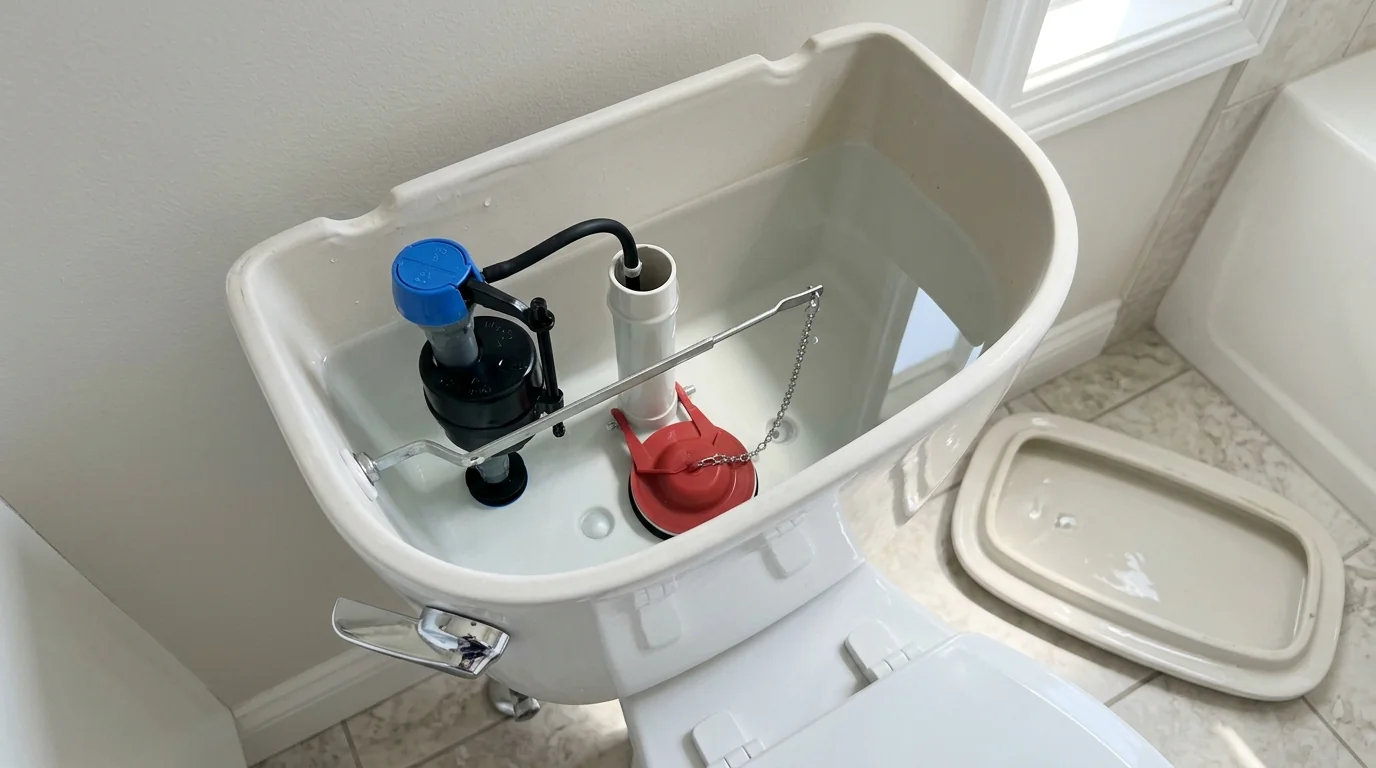
Toilet Repair
Running, rocking, leaking or weak-flushing toilets fixed fast, from fill valves and flappers to wax rings and cracked tanks.
Learn more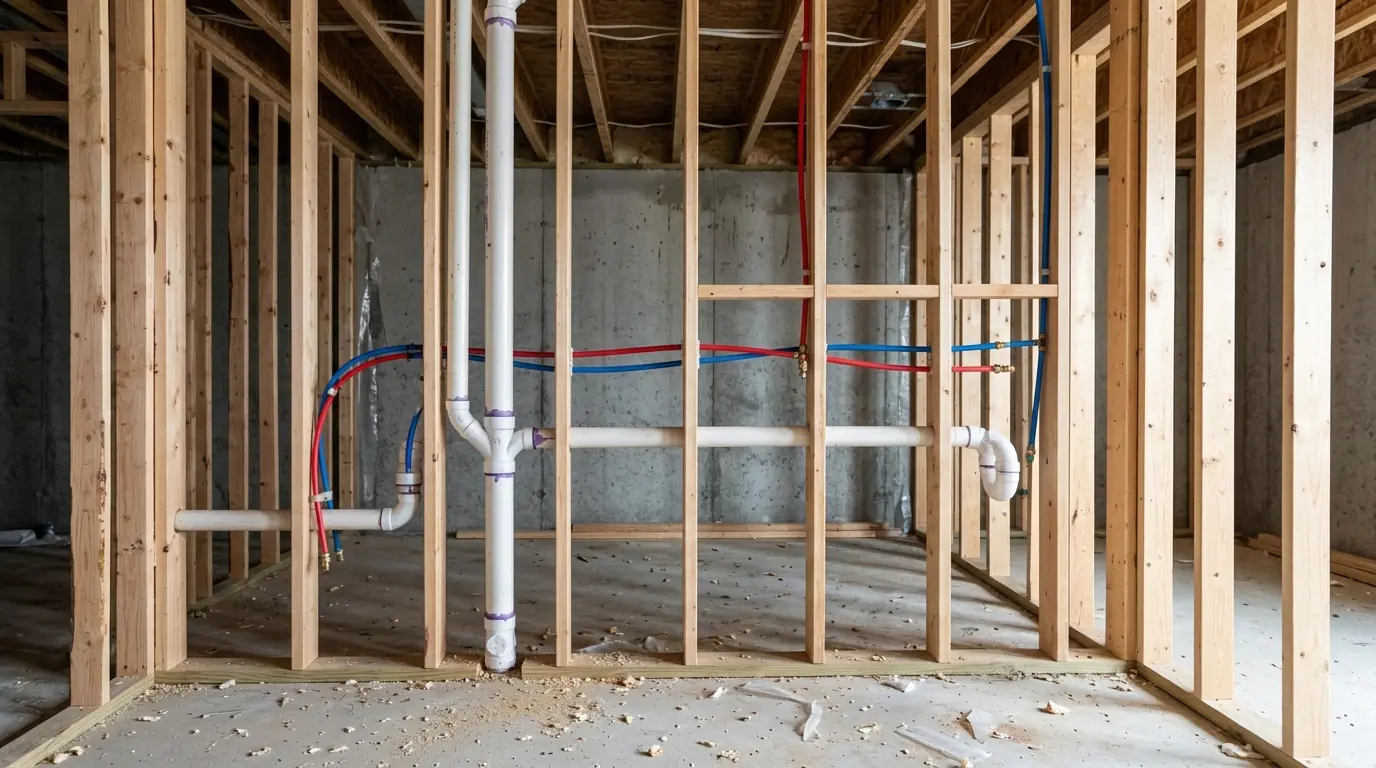
Remodel & Basement Rough-In Plumbing
Kitchen, bathroom and basement plumbing rough-in, from moving drains and vents to new supply lines, ready for inspection.
Learn more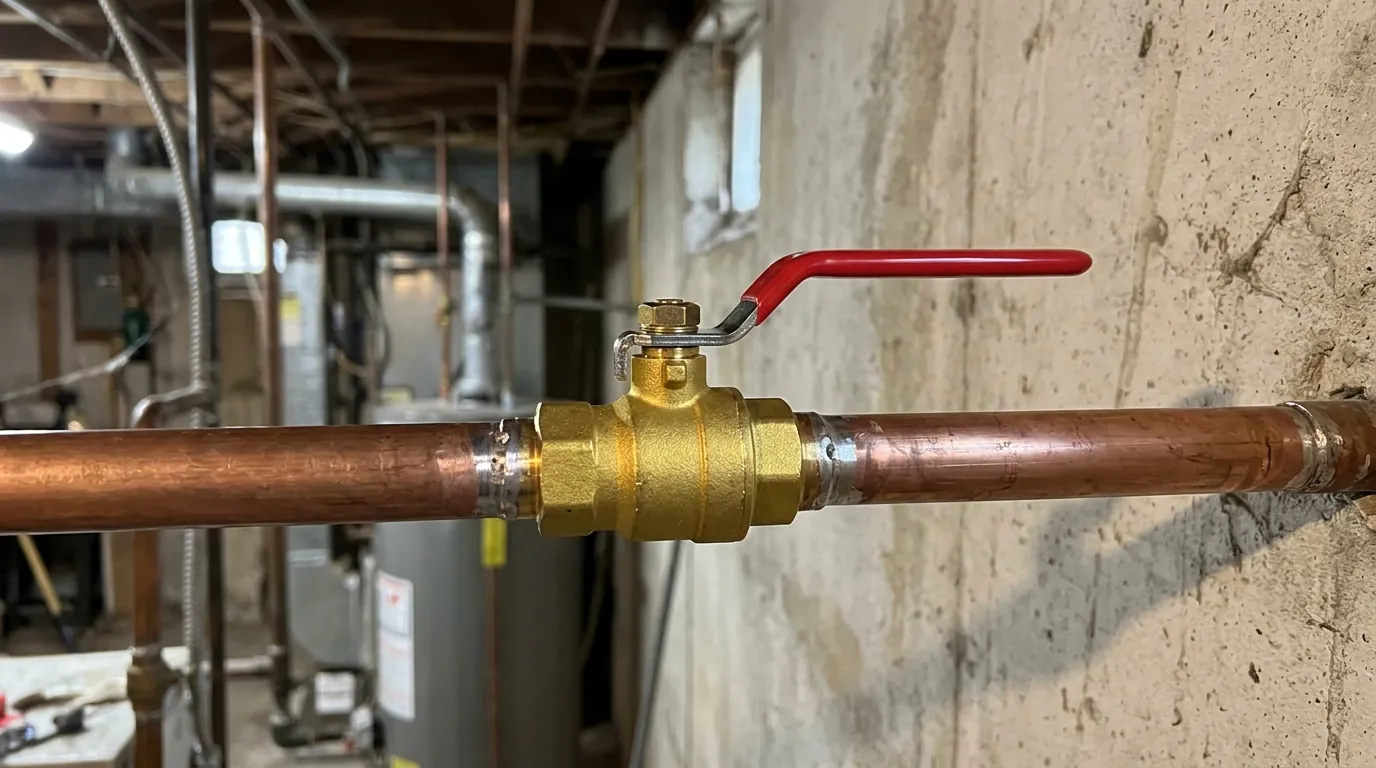
Shut-Off Valve Replacement
Swap seized gate valves and leaky fixture stops for quarter-turn ball valves you can close fast in an emergency.
Learn more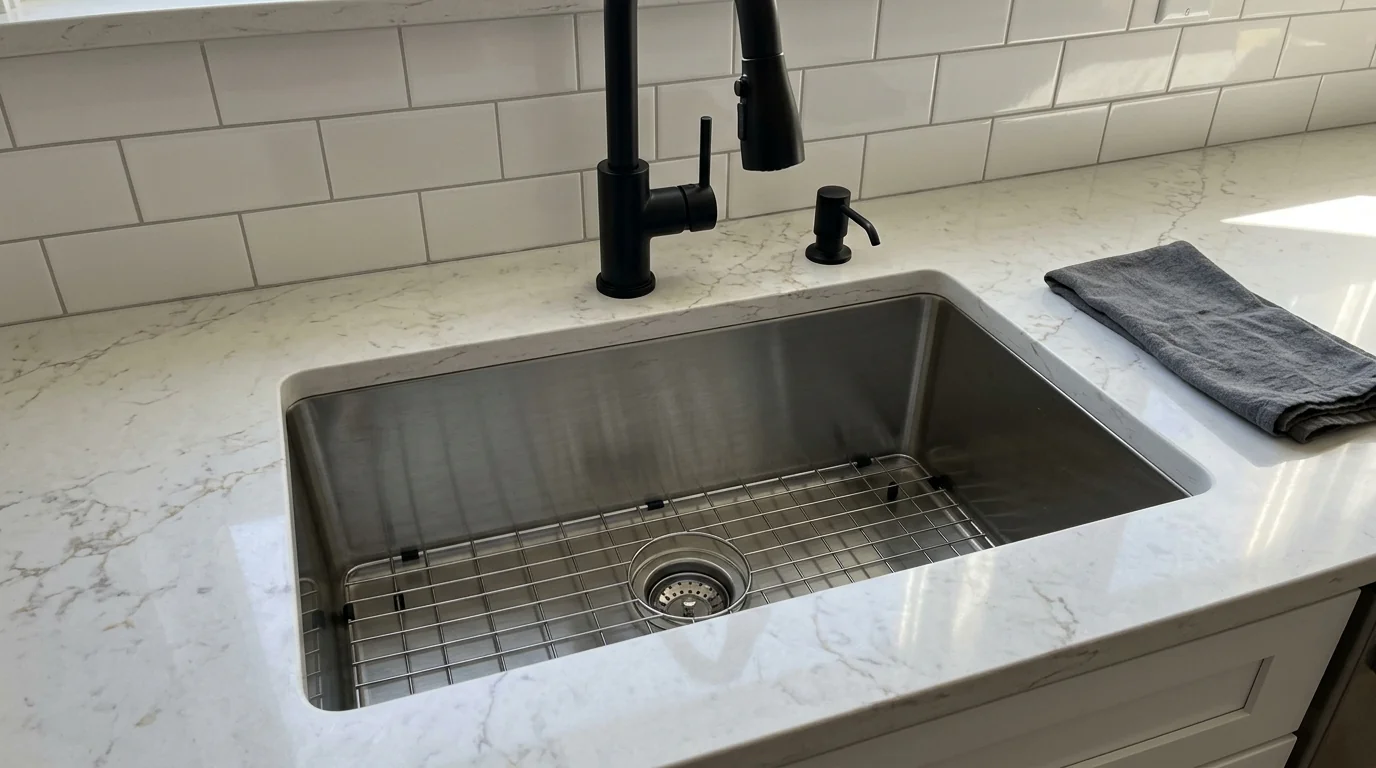
Sink Installation
Kitchen, bathroom, laundry and bar sinks installed with new drains, traps and supply lines that fit your counters.
Learn moreQuestions
Toilet Installation questions from Aurora homeowners
How do I measure the rough-in before buying a toilet?
Measure from the finished wall behind the toilet, not from the baseboard, to the center of either bolt on the floor. Most results land near 12 inches, but 10 and 14 inches also exist. If your number falls between sizes or you aren't sure, call us and we can measure before you buy.
Can you install a toilet I bought at a store?
Yes. We install toilets our customers buy themselves all the time. We check the box for cracks and missing parts before we start, use a fresh seal and supply line, and repair the flange if it needs it. If the toilet turns out to be damaged, we tell you before installing it.
How long does it take to replace a toilet?
A straightforward swap usually takes one to two hours. Flange repairs, subfloor work or a seized shutoff can add time. You can use the new toilet as soon as we finish testing, though we suggest waiting until the next day to caulk the base so any hidden leak would show first.
Is a comfort-height toilet a good choice for every bathroom?
Many adults find comfort-height bowls easier to sit on and stand up from, which helps with knee or back trouble. Small children and shorter adults may prefer a standard height. If the household is mixed, a standard bowl in one bathroom and comfort height in another is a common choice.
Do WaterSense toilets clog more often than older toilets?
Not when they are well designed. Many current WaterSense toilets clear waste better than older models, thanks to larger flush valves and smooth glazed trapways. The early low-flow toilets that gave efficiency a bad name used weaker designs. Choosing a model with good flush performance ratings avoids that problem.
Coverage
Where we do toilet installation around Aurora
These neighborhoods and nearby cities cover most of the households we serve. Not listed? Call and ask.
- Original Aurora, Aurora 80010
- Del Mar, Aurora 80010
- Hoffman Heights, Aurora 80011
- Aurora Hills, Aurora 80012
- Village East, Aurora 80012
- Willow Park, Aurora 80012
- Aurora Knolls, Aurora 80012
- Heather Gardens, Aurora 80014
- Aurora 80012
- Denver 80202
- Centennial 80112
- Parker 80134
- Englewood 80110
- Littleton 80120
- Greenwood Village 80111
- Lone Tree 80124
Need help with toilet installation?
Call any time, day or night. A real person answers and tells you what happens next.