Drains & sewer
Sewage ejector pump service in Aurora, CO
A basement bathroom or laundry below the sewer line relies on an ejector pump to lift waste upward, and when it fails, sewage stays in the basement. We repair or replace ejector pumps, basins, check valves and alarms.
SERVICE PLATE
- Service
- Sewage Ejector Pumps
- Typical range
- $185 to $365
- Area
- Aurora and the east metro
- Hours
- Answered 24/7
- Phone
- (720) 894-1012
Brands we work on every week
A sewage ejector pump sits in a sealed basin below a basement bathroom, bar sink or laundry and pumps waste up to the main sewer line. When the alarm sounds or the basin overflows, the pump, float switch, check valve or power supply has usually failed. We diagnose which one and repair or replace it, often in the same visit.
Warning signs
Ejector pump warning signs to act on quickly
The high water alarm is sounding
An alarm means the basin is filling faster than the pump can empty it. Stop using basement fixtures and call before the basin overflows.
Basement toilet won't flush away
If the downstairs toilet fills and drains slowly or not at all, waste may be sitting in a full basin with no pump action to move it out.
The pump runs constantly
A pump that won't shut off often has a stuck float, a failed check valve letting water fall back, or a blocked discharge line.
Loud grinding or humming
Grinding can mean debris caught in the impeller. A hum with no pumping usually points to a jammed impeller or failing motor.
Sewage smell in the basement
A cracked basin lid, missing seal or bad vent connection lets sewer gas escape. Odors also show up when the basin is overfilled.
Breaker trips when the pump starts
A pump motor drawing too much current trips its breaker. That can be a seized impeller, water in the motor or a wiring problem.
Step by step
What we do on an ejector pump service call
- 01
We make the basement safe
We shut off power to the pump, stop water use on basement fixtures and contain any overflow with protective coverings and absorbent material.
- 02
We open and inspect the basin
We check the water level, float, pump, check valve, discharge pipe, vent and alarm to find the failed part rather than guess.
- 03
We repair or replace the part
Common floats, check valves and alarms are on the truck. If the pump is replaced, we size it to your basin and discharge height.
- 04
We reseal and test
We seal the basin lid and vent, restore power and run several full cycles to confirm the pump starts, empties the basin and shuts off.
- 05
We clean and advise
We disinfect the work area, remove old parts and explain how to protect the pump, including what should never go down basement drains.
How an ejector system moves waste uphill
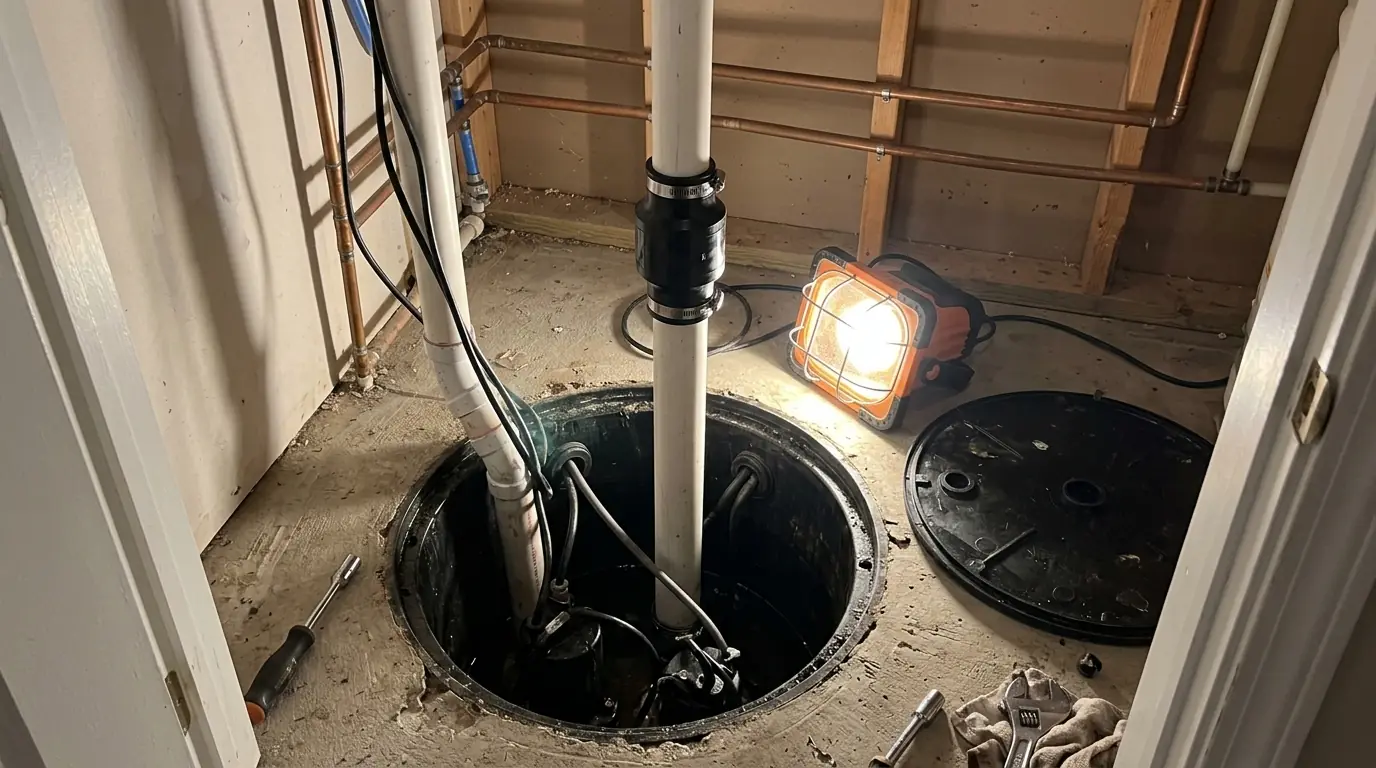
Fixtures below the sewer line drain by gravity into a sealed basin set into the basement floor. As the basin fills, a float switch rises and turns on the pump, which pushes waste up a discharge pipe to the main drain. A check valve on that pipe stops the waste from falling back down when the pump shuts off.
The basin is sealed and vented to keep sewer gas out of the room. An alarm, either on the basin or plugged in nearby, warns you when water rises too high. Each of these parts can fail on its own, which is why we test the float, check valve, pump, vent and alarm separately before deciding on a fix.
What not to flush when you rely on an ejector pump
Ejector pumps handle human waste and toilet paper, but wipes, paper towels, feminine products, dental floss and cat litter cause most of the jams we see. Even products labeled flushable can wrap around the impeller or tangle the float. Keep a small trash can in the basement bathroom and tell guests what not to flush.
Grease from a basement bar sink is another common culprit. It coats the basin walls and the float, which leads to the pump sticking on or off. A quick flush of hot water after use helps, but limiting what goes down the drain in the first place makes the biggest difference to pump life.
Repair, replace or upgrade: making the call
A failed float switch, check valve or alarm is usually a quick repair. A jammed impeller can often be cleared without replacing the pump. When the motor itself has failed, the housing is cracked or the pump has run for many years, replacement is the better choice. We tell you which path makes sense and price both if it's close.
Replacement is also a chance to upgrade. A pump with a stronger motor handles longer discharge runs, and a grinder pump suits systems with long or uphill discharge lines. A battery-backed or wireless alarm can alert you on your phone. We match the new pump to your basin size, discharge height and fixture load.
Aurora notes
Why ejector pumps are common in Aurora basements
Many Aurora homes have basements, often finished, and many of those added bathrooms, bar sinks or laundry rooms after the house was built. When those fixtures sit below the main sewer line, an ejector pump is the only way to get waste out. That means a single small pump is all that stands between a basement bathroom and a mess on new carpet, which makes regular checks worthwhile.
Older homes in Original Aurora and central Aurora sometimes have ejector basins tied into aging cast iron or clay laterals. If the main sewer line clogs, the ejector can't push waste out no matter how well the pump runs. When we service an ejector, we check whether the problem is the pump or a blocked main downstream. Treating the wrong one wastes your money and leaves the backup in place.
Pricing
Sewage ejector pump repair and replacement costs in Aurora
TYPICAL AURORA PRICE RANGES
| Float switch replacement | $185 to $365 |
|---|---|
| Check valve replacement on the discharge line | $215 to $435 |
| Clearing a jammed impeller and basin cleaning | $245 to $485 |
| Ejector pump replacement in an existing basin | $1,145 to $2,365 |
| Grinder pump upgrade in an existing basin | $1,865 to $3,485 |
| High water alarm installation or replacement | $165 to $385 |
These are typical Aurora ranges, not a quote. Your price depends on the system you have and what we find once the basin is opened.
- Pump type and sizeStandard ejectors cost less than grinder pumps. Longer or higher discharge runs need stronger motors, which raises equipment cost.
- Basin conditionA cracked basin, failed lid seal or corroded discharge pipe adds parts and labor beyond the pump itself.
- AccessBasins in tight closets or under finished floors take longer to reach and work around than those in an open utility room.
- Cleanup needsIf the basin has overflowed, extra time goes into containing and disinfecting the area before and after the repair.
Compare more jobs in our plumbing price guide.
Questions
Sewage Ejector Pumps questions from Aurora homeowners
What should I do when my ejector pump alarm goes off?
Stop using every basement fixture right away, including the toilet, shower, sink and washer if it drains to the basin. Check that the pump's breaker hasn't tripped. If power is fine and the alarm keeps sounding, call us before the basin overflows into the basement.
How long do sewage ejector pumps usually last?
Lifespan depends on use, what goes into the basin and pump quality. Many run for years with little attention, but jams from wipes or grease shorten their lives. Regular checks and careful habits extend service life, and a failing motor is a sign that replacement is coming.
Is a sewage ejector pump the same as a sump pump?
No. A sump pump removes groundwater from a pit, while an ejector pump moves sewage from fixtures below the sewer line. Ejector basins are sealed and vented, and the pumps are built to pass solids. They are separate systems, and they should never be connected to each other.
Can I still use the upstairs bathrooms if the basement ejector fails?
Usually, yes. Upstairs fixtures drain by gravity into the main line, bypassing the basement basin. Only fixtures that drain into the ejector stop working. If upstairs drains also back up, the main sewer line is likely blocked and needs attention instead of the pump.
Why does my ejector pump turn on and off every few minutes?
Frequent cycling often means a failed check valve is letting pumped waste fall back into the basin, so the pump keeps lifting the same water. A stuck float or a leaking fixture feeding the basin can cause it too. We test each part to find the cause.
Related work
Other plumbing jobs that often go with this one
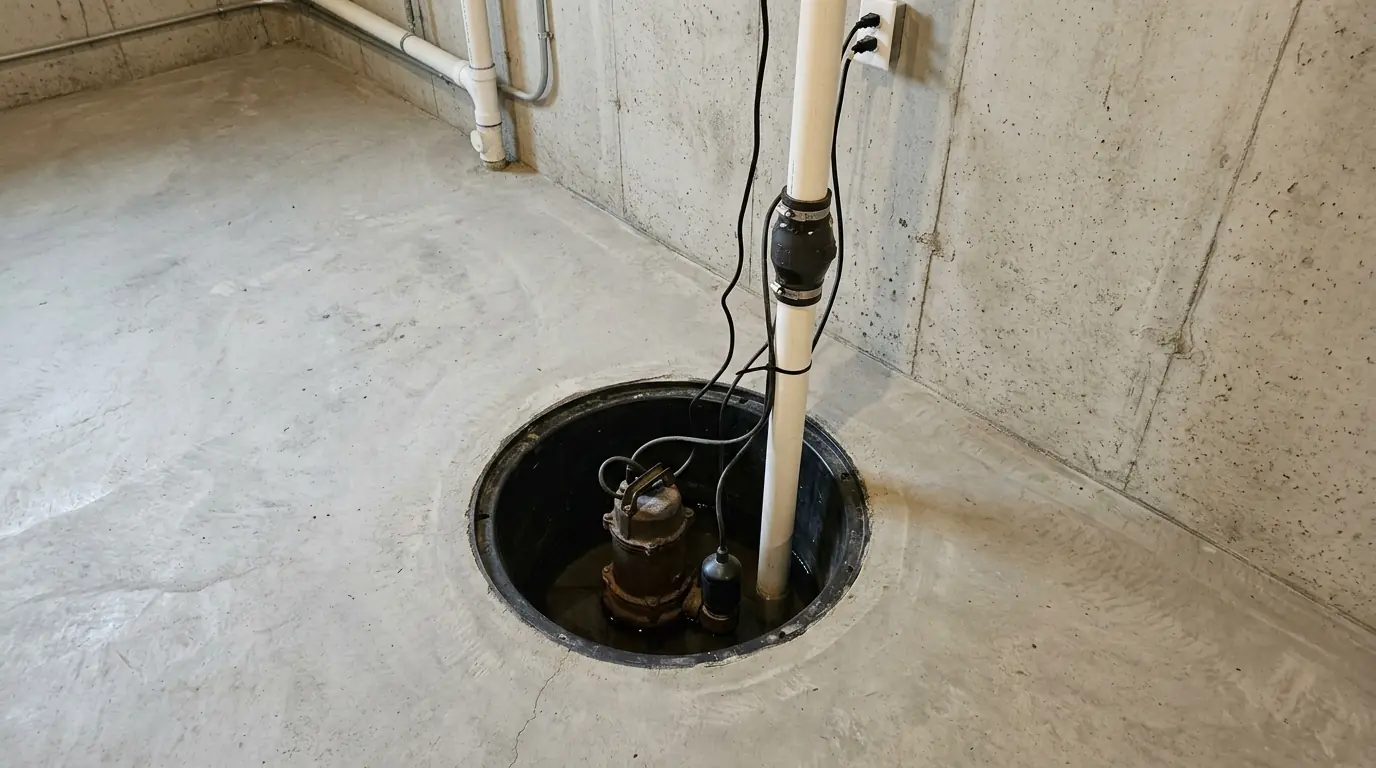
Sump Pump Repair & Installation
Sump pump repair, replacement and battery backup systems that keep groundwater out of finished basements and crawlspaces.
Learn more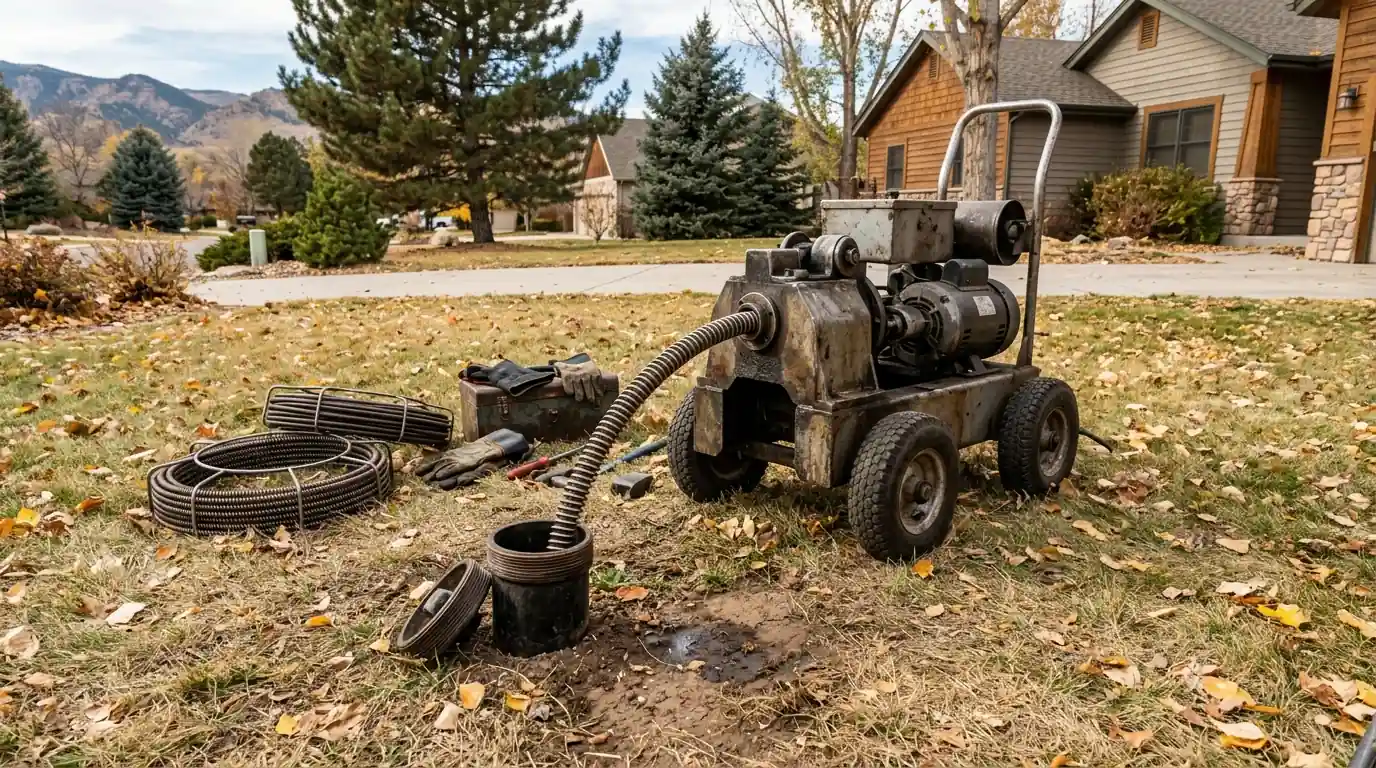
Main Sewer Line Cleaning
Backups at the lowest drain, tree roots and buildup cleared from the main lateral between your house and the city main.
Learn more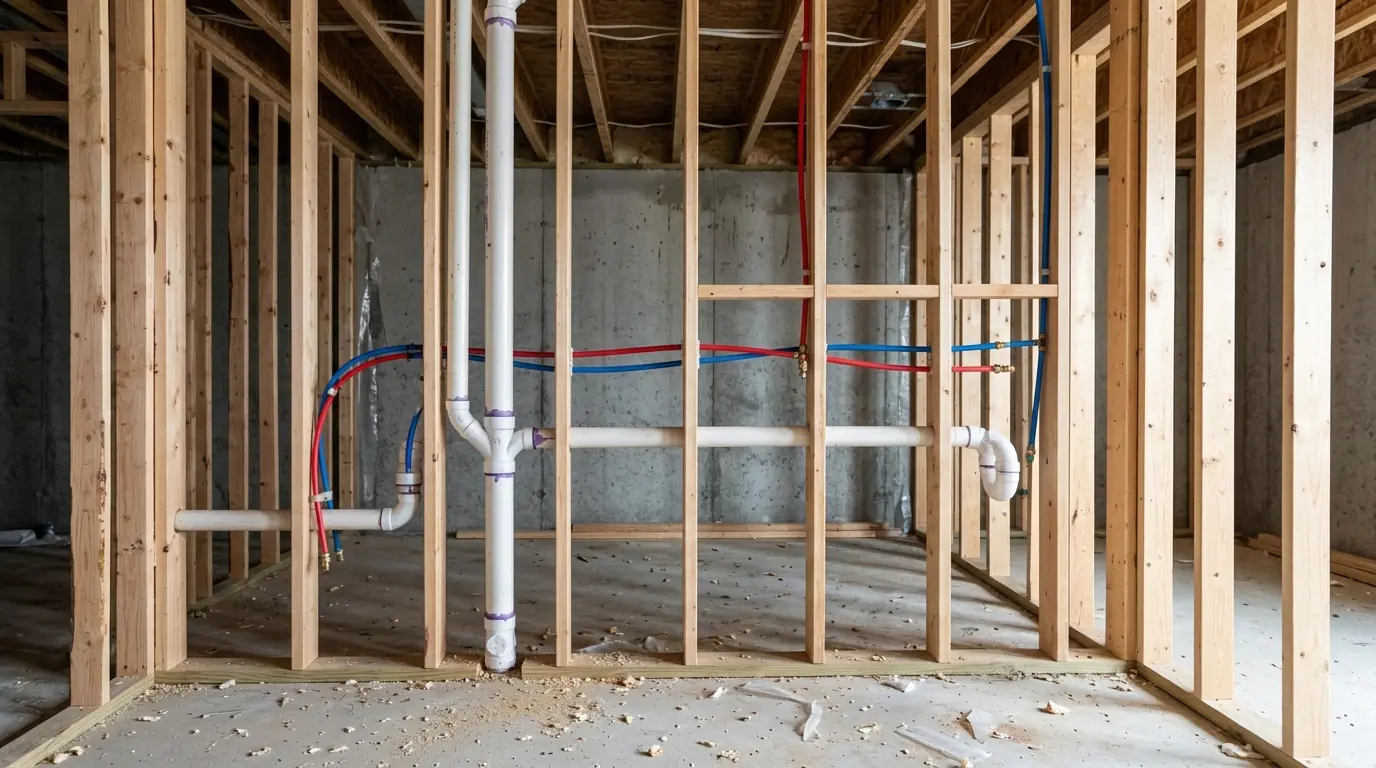
Remodel & Basement Rough-In Plumbing
Kitchen, bathroom and basement plumbing rough-in, from moving drains and vents to new supply lines, ready for inspection.
Learn more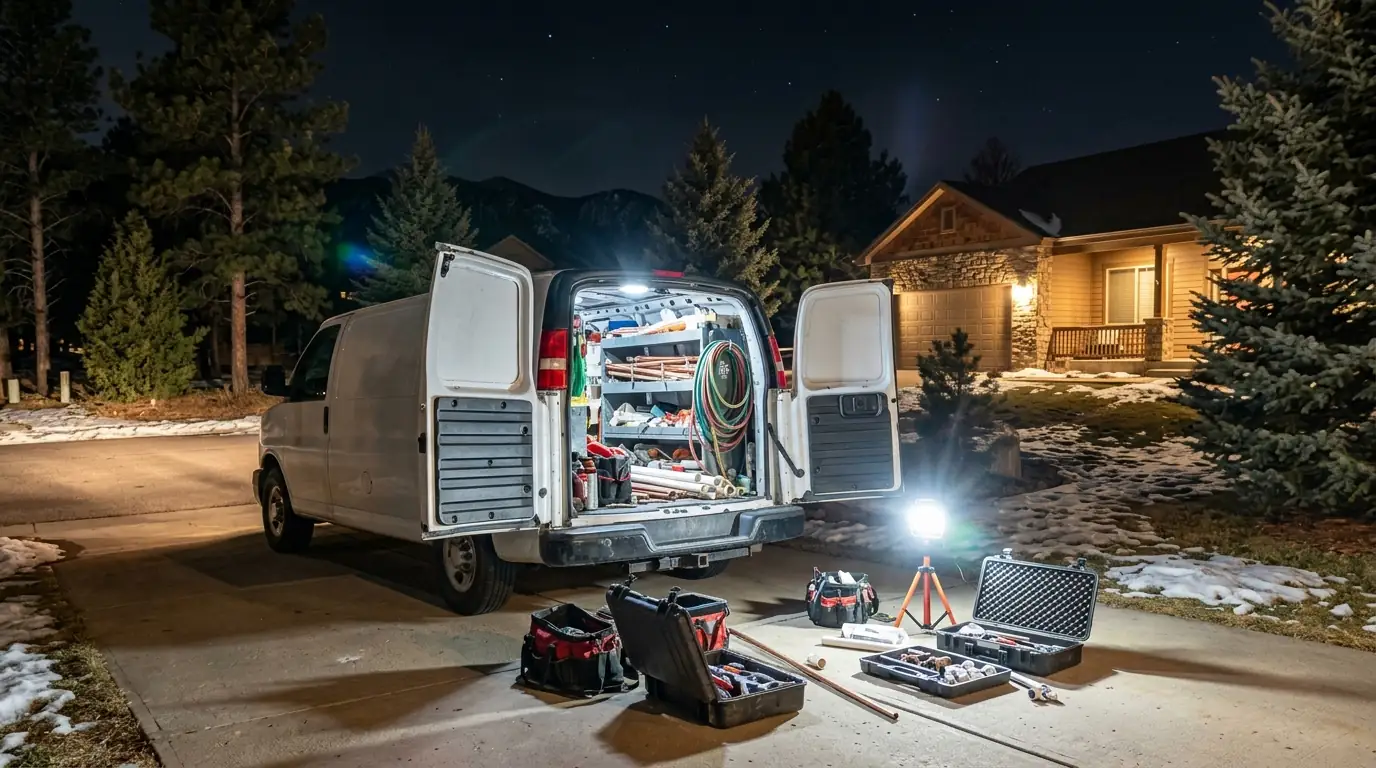
Emergency Plumber
Burst pipes, sewage backups, overflowing toilets and no water at night, handled 24/7 across Aurora and the east metro.
Learn moreCoverage
Where we do sewage ejector pumps around Aurora
These neighborhoods and nearby cities cover most of the households we serve. Not listed? Call and ask.
- Original Aurora, Aurora 80010
- Del Mar, Aurora 80010
- Hoffman Heights, Aurora 80011
- Aurora Hills, Aurora 80012
- Village East, Aurora 80012
- Willow Park, Aurora 80012
- Aurora Knolls, Aurora 80012
- Heather Gardens, Aurora 80014
- Aurora 80012
- Denver 80202
- Centennial 80112
- Parker 80134
- Englewood 80110
- Littleton 80120
- Greenwood Village 80111
- Lone Tree 80124
Need help with sewage ejector pumps?
Call any time, day or night. A real person answers and tells you what happens next.