Water heaters
Water heater flush and maintenance in Aurora, CO
Sediment, a spent anode rod and a sticky relief valve all shorten a water heater's life without making much fuss. A yearly maintenance visit catches those quietly building problems while they are still cheap to handle.
SERVICE PLATE
- Service
- Water Heater Flush & Maintenance
- Typical range
- $145 to $245
- Area
- Aurora and the east metro
- Hours
- Answered 24/7
- Phone
- (720) 894-1012
Brands we work on every week
A yearly flush, an anode rod check every few years and a relief valve test are the three habits that do the most for a tank water heater. With Aurora's moderately hard water, sediment builds steadily, and skipping maintenance can cut years off the tank. A typical visit runs $145 to $245 and takes about an hour.
What we do during a maintenance visit
We start by shutting off fuel and power, then connect a hose to the drain valve and flush the tank until the water runs clear. On tanks with heavy buildup, we stir the sediment with short bursts of cold water from the supply. We check the drain valve itself and replace a brittle plastic valve with a brass one if you want that upgrade.
Next we test the relief valve, inspect the discharge line, look over the gas connector or electrical connections, and check the vent for proper draft on gas units. We clean the burner compartment, confirm the thermostat setting and note the tank's age, so you know roughly where it stands in its expected life.
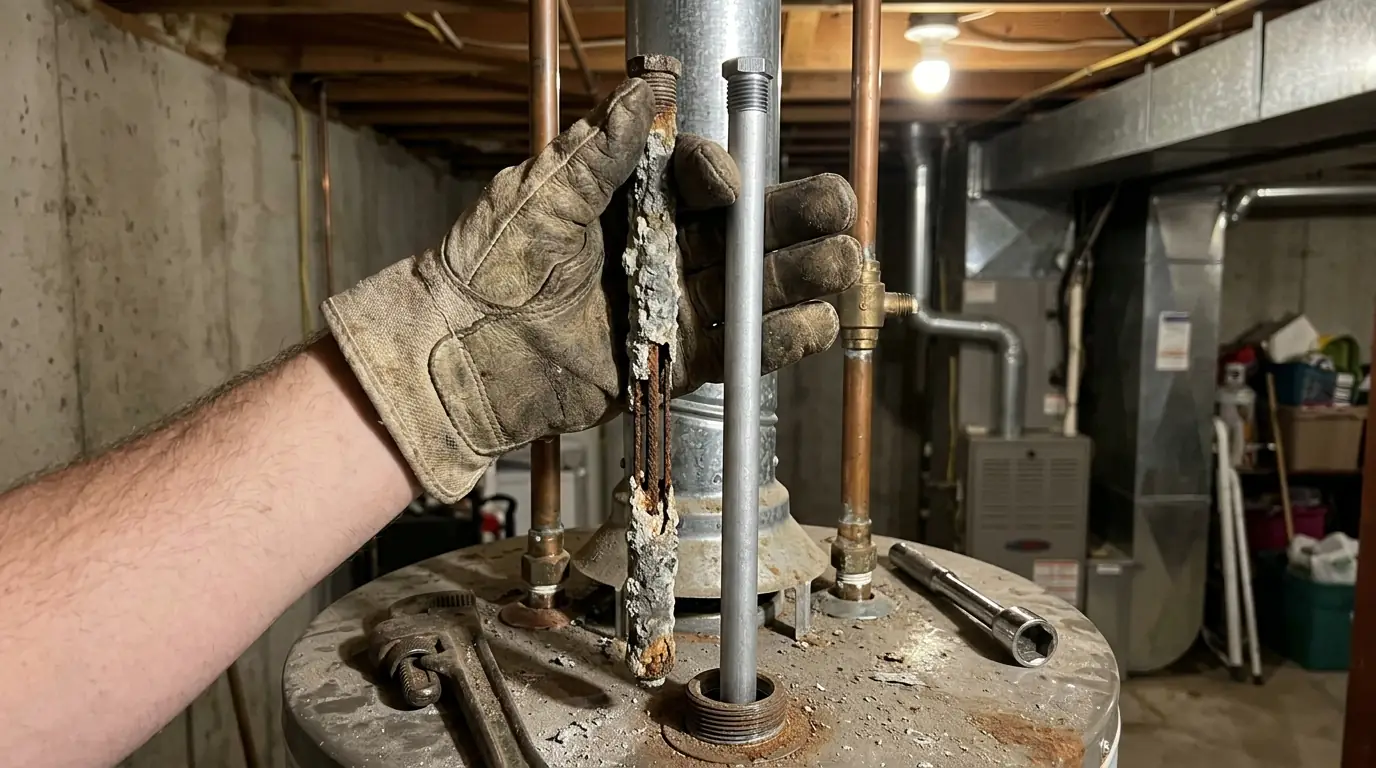
Why the anode rod matters more than most people think
Inside every glass-lined steel tank is a rod of magnesium or aluminum that corrodes in place of the tank. It is a big part of the reason a tank lasts ten years instead of five. When the rod is eaten down to its core wire, the water starts attacking any tiny flaws in the glass lining and the steel beneath it.
Replacing a spent anode costs a fraction of a new heater and can add years to a tank that is still sound. If your hot water smells like sulfur, we can install a different alloy rod that reacts less with the water. Where headroom above the heater is tight, a segmented rod goes in without moving the tank at all.
Can maintenance save an older water heater?
It depends on what has already happened inside. A tank with a little sediment and a partly worn anode benefits a lot from a flush and a new rod. A tank that has gone twelve years without service and already rumbles loudly may have hardened scale that no flush will remove, along with corrosion we cannot see from outside.
We are straightforward about that on the first visit. If the tank is clearly near the end, we tell you, so you can plan a replacement on your own schedule. If it still has life left, maintenance is the cheapest way to get the most out of it. Either way, you leave with a clear picture rather than a guess.
Warning signs
Is your water heater overdue for service?
Nobody remembers the last flush
If the tank has never been drained, or you moved in without any records, assume it needs one. Sediment starts collecting the day a heater is installed and never stops.
The drain valve barely trickles
A slow trickle when you open the drain valve usually means sediment is packed around it. A proper flush clears the bottom of the tank, not just the valve opening.
The anode has not been checked in years
The anode rod corrodes so the steel tank does not. Once it is used up, the tank starts rusting from the inside. Checking it every three to four years protects a much bigger investment.
The relief valve has never been tested
The temperature and pressure relief valve guards against dangerous pressure buildup. Valves that never move can seize. A quick lift test once a year shows whether it still opens and seals.
The burner flame looks yellow
On gas units, a crisp blue flame is healthy. A yellow, lazy or sooty flame points to dust, lint or poor combustion air, and cleaning the burner area restores safe, efficient operation.
Hot water takes longer to recover
If the tank takes noticeably longer to reheat after showers, sediment may be insulating the bottom. A flush often restores recovery time and trims your gas or electric use.
Aurora notes
How Aurora water and basements affect heater upkeep
Aurora Water delivers moderately hard water, and the minerals in it settle at the bottom of a tank every time the water heats. Over a few years that layer thickens, especially in homes with large households or long showers. A yearly flush keeps the layer thin enough that the burner or lower element can still transfer heat efficiently into the water above it.
Many Aurora heaters sit in basement utility rooms near a floor drain, which makes flushing simple. Heaters in garages or upstairs closets need a hose run outside or to a laundry drain, and we bring what is needed for that. At about 5,400 feet, gas heaters also benefit from a burner and draft check during maintenance, because small combustion problems show up sooner at altitude.
Step by step
Step by step through a yearly service
- 01
Shut down safely
We turn the gas control to pilot or switch off the breaker, close the cold supply and open a hot tap to break the vacuum so the tank drains freely.
- 02
Flush the sediment
A hose from the drain valve carries water and sediment to the floor drain or outside. We flush in cycles until the discharge runs clear.
- 03
Inspect the anode
We pull the anode rod when access allows, gauge how much is left and recommend replacement only if it is worn past the point of protecting the tank.
- 04
Test safety parts
The relief valve is lift-tested, the discharge line checked, and the gas connector, vent or electrical connections looked over for wear or damage.
- 05
Refill and restart
We refill the tank, purge the air, relight or restore power, check every fitting for leaks and confirm the flame or elements are working properly.
Pricing
Typical maintenance costs for Aurora water heaters
TYPICAL AURORA PRICE RANGES
| Annual tank flush and safety inspection | $145 to $245 |
|---|---|
| Anode rod replacement | $185 to $345 |
| Drain valve upgrade to brass | $95 to $185 |
| Relief valve replacement after a failed test | $145 to $265 |
| Burner cleaning and combustion check on gas units | $115 to $195 |
These figures are typical for Aurora and are not a quote. Your price depends on the heater's condition and what we find when we open it up.
- Amount of sedimentA tank flushed regularly clears in minutes. One that has not been touched in years may need extra cycles and a new drain valve.
- Anode accessRods that are rusted in place, or tanks with low clearance above them, take more time and sometimes need a segmented replacement rod.
- Heater locationBasement heaters next to a floor drain are quick. Closets and attics need longer hose runs and more care with the water.
- Extra repairs foundIf the visit turns up a leaking valve or worn connector, we price that fix separately and only do it once you approve.
Compare more jobs in our plumbing price guide.
Questions
Water Heater Flush & Maintenance questions from Aurora homeowners
How often should I flush a water heater with Aurora's water?
Once a year is a good baseline for tank heaters here. Larger households or homes that run a lot of hot water may benefit from a flush every six to nine months. If you have a softener, sediment builds more slowly, but keep checking the anode.
Can I flush my own water heater?
Many homeowners can, if the drain valve works and you are comfortable shutting off gas or power. The risks are a plastic drain valve that breaks or will not close, and very hot water. If the valve has never been opened, it may be safer to let us handle the first flush.
Does a water softener change how I maintain my water heater?
Yes. Softened water leaves less sediment, so flushing matters a bit less, but it tends to eat anode rods faster. Homes with softeners should have the anode checked every two to three years instead of waiting longer between inspections.
What does a sulfur smell from the hot water mean?
It usually means bacteria in the tank are reacting with the anode rod and producing hydrogen sulfide gas. Flushing and disinfecting the tank helps, and switching to an aluminum zinc anode often solves it for good. The smell is unpleasant but rarely a sign the tank is failing.
Is it normal for the relief valve to drip after testing?
A few drops right after the test are normal while the seat settles. Steady dripping afterward means debris is holding it open or the valve is worn. It can also point to high pressure in the system, which an expansion tank or pressure reducing valve can correct.
Related work
Other plumbing jobs that often go with this one
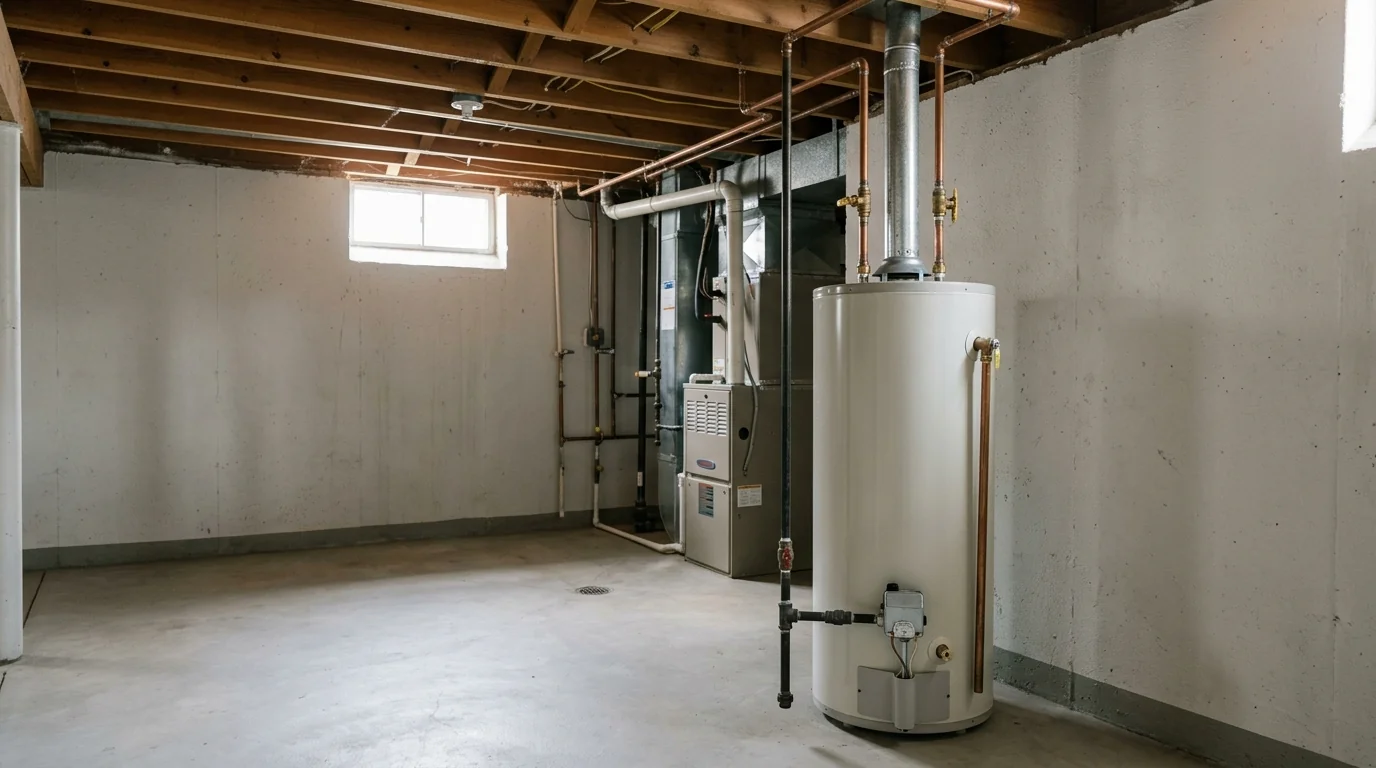
Water Heater Repair
No hot water, a leaking tank or a pilot that won't stay lit, fixed on gas and electric tank heaters.
Learn more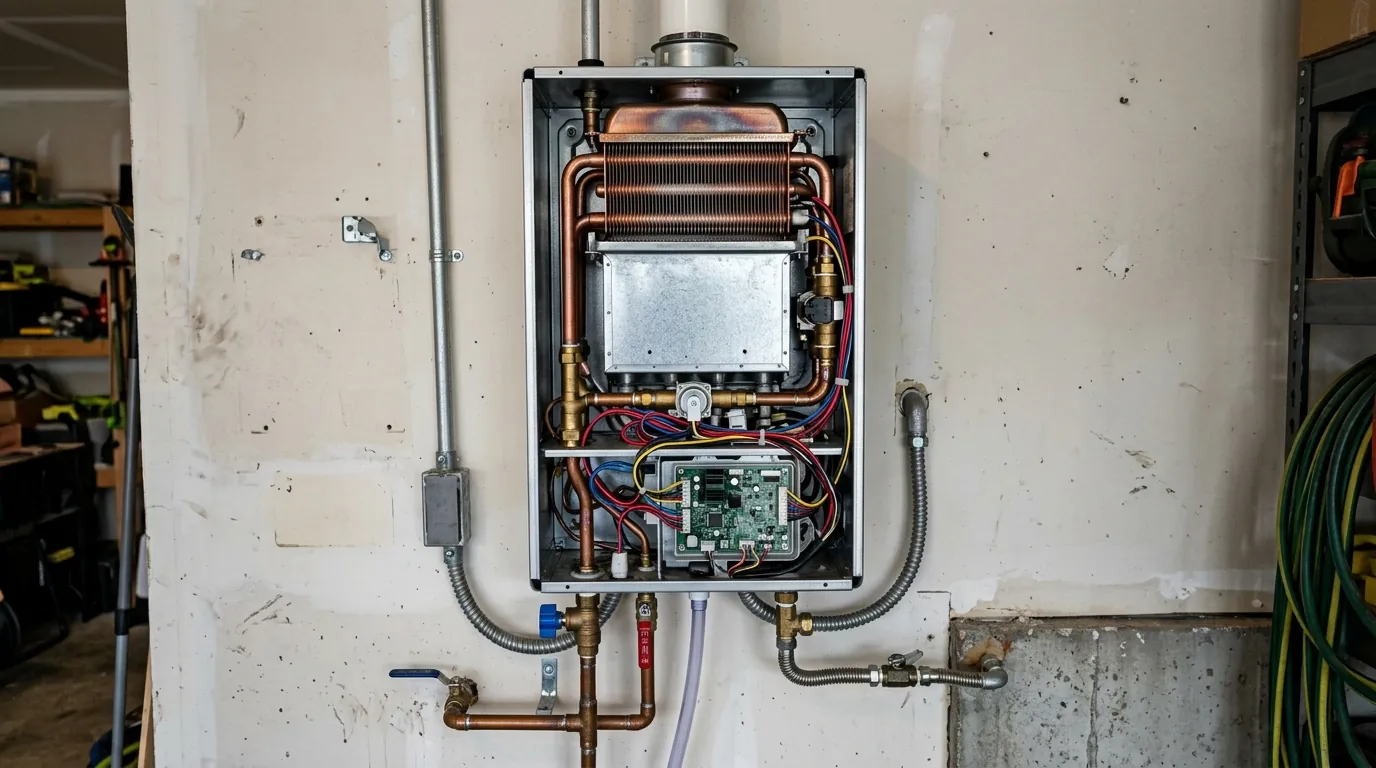
Tankless Water Heater Repair
Error codes, ignition failures, temperature swings and scale buildup diagnosed and repaired on gas and electric tankless units.
Learn more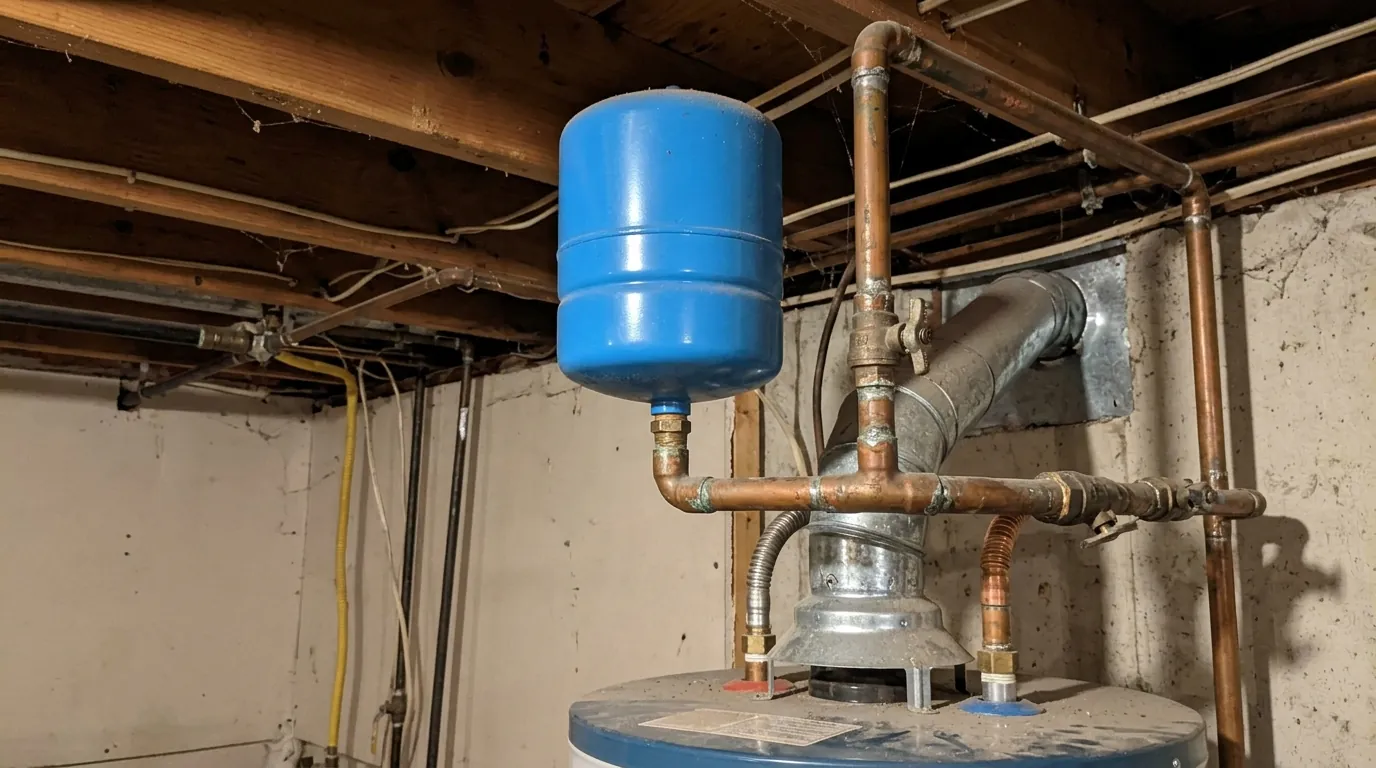
Expansion Tank Installation
Thermal expansion tanks sized and pre-charged to your water pressure, protecting the water heater, valves and fixtures.
Learn more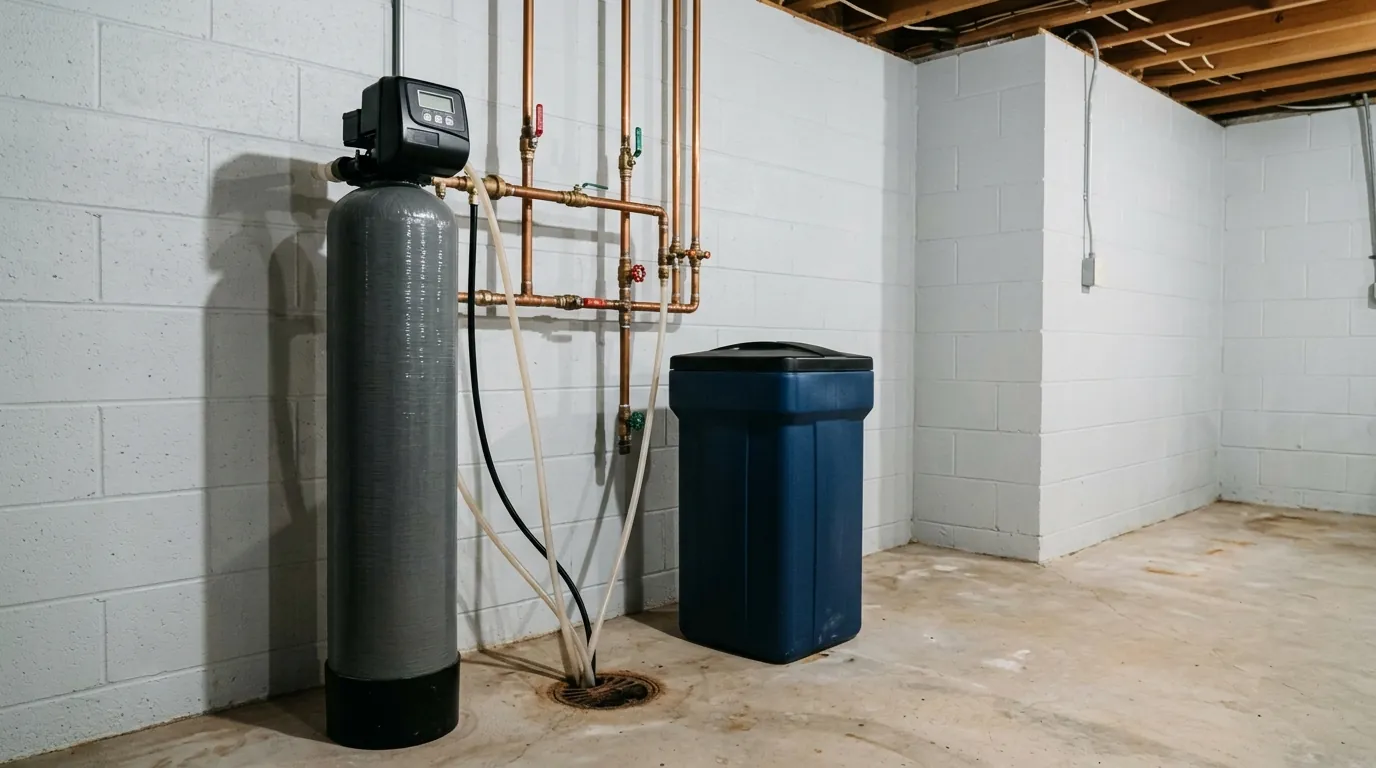
Water Softener Installation
Water softeners sized for your household, installed with a bypass, proper drain and an outdoor hose line left unsoftened.
Learn moreCoverage
Where we do water heater flush & maintenance around Aurora
These neighborhoods and nearby cities cover most of the households we serve. Not listed? Call and ask.
- Original Aurora, Aurora 80010
- Del Mar, Aurora 80010
- Hoffman Heights, Aurora 80011
- Aurora Hills, Aurora 80012
- Village East, Aurora 80012
- Willow Park, Aurora 80012
- Aurora Knolls, Aurora 80012
- Heather Gardens, Aurora 80014
- Aurora 80012
- Denver 80202
- Centennial 80112
- Parker 80134
- Englewood 80110
- Littleton 80120
- Greenwood Village 80111
- Lone Tree 80124
Need help with water heater flush & maintenance?
Call any time, day or night. A real person answers and tells you what happens next.