Drains & sewer
Sewer line repair in Aurora, CO
A sewer line with one bad section doesn't always need to be replaced from end to end. When the camera shows a single break, a root-filled joint or a short sag, we dig at that spot and rebuild just the damaged length.
SERVICE PLATE
- Service
- Sewer Line Repair
- Typical range
- $1,385 to $2,965
- Area
- Aurora and the east metro
- Hours
- Answered 24/7
- Phone
- (720) 894-1012
Brands we work on every week
Sewer line repair means fixing one damaged section of your lateral instead of replacing the whole run. After a camera locates the break, we dig a focused hole at that spot, cut out the bad pipe and join new PVC to the sound pipe on each side. It suits lines that are mostly healthy with one or two trouble spots.
When repairing one section beats replacing the line
Most sewer laterals don't fail evenly along their length. A tree may have sent roots into one joint, a past utility dig may have cracked one section, or soil movement may have dropped a short stretch into a sag. When the rest of the pipe is solid, a spot repair fixes the real problem for a fraction of a full replacement's cost.
The key is honest camera footage. If we see one or two defects in otherwise sound pipe, a spot repair makes sense. If the whole line is cracked, scaled or full of roots at every joint, patching one section just moves the next failure a few feet down the line. We show you the video and explain which situation you're in.
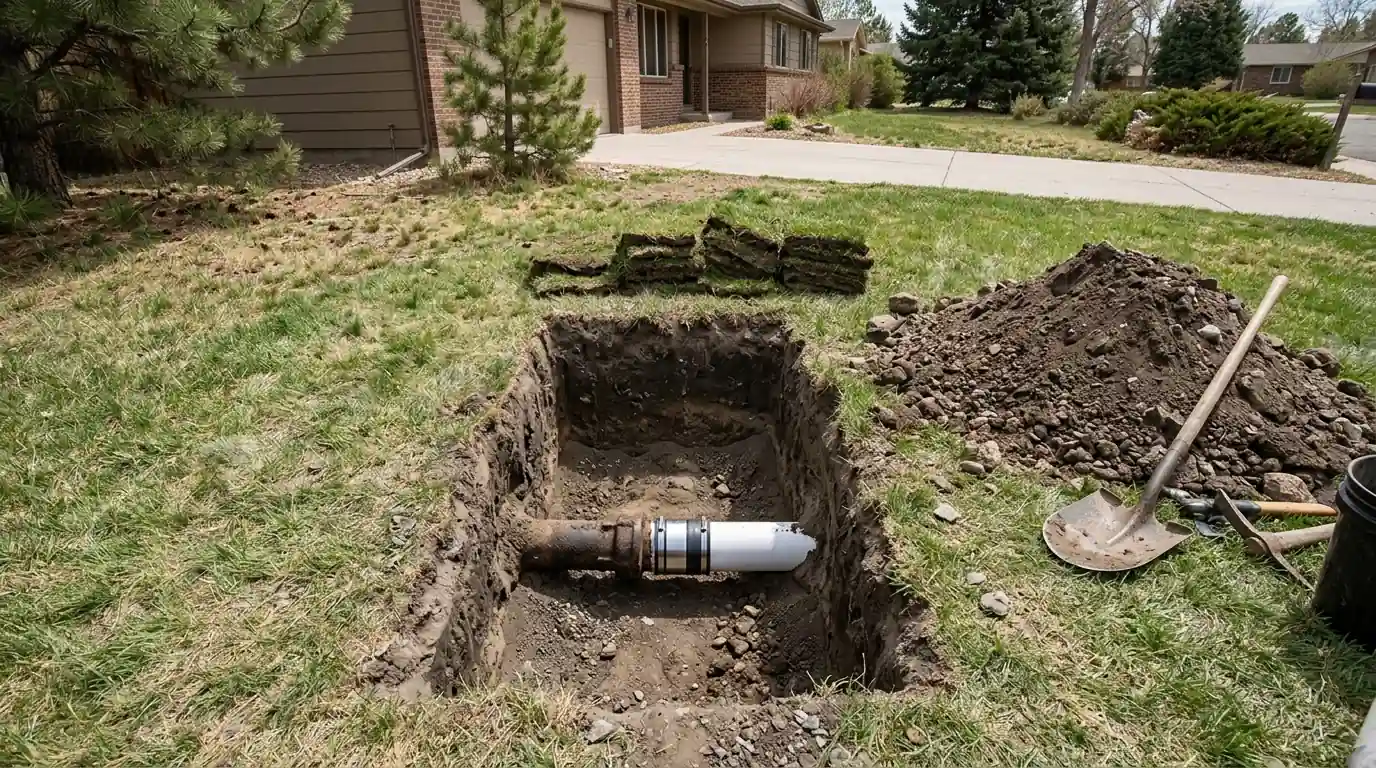
How an excavated sewer repair goes from dig to backfill
Before any shovel goes in, we call Colorado 811 so buried gas, electric, water and cable lines are marked. We then dig at the spot the locator identified, usually a hole just large enough to work in safely. Deeper repairs need wider digs or shoring to keep the trench walls from caving.
We cut out the damaged pipe and connect new PVC to the existing line with shielded couplings rated for the joint between different pipe materials. The new section sits on compacted bedding so it holds slope. After a camera check through the repair, we backfill in layers and compact each one, which keeps the ground from settling into a dip later.
What to know about your yard, driveway and landscaping
Most spot repairs disturb a small area of lawn or garden. We set sod and topsoil aside where we can and return the surface as close to its original grade as possible. Expect the patch to need watering and some time to blend in. Shrubs and decorative stone over the dig spot may need to be moved.
When a break sits under a driveway, walkway or patio, we saw cut the concrete neatly around the repair area. Replacing the concrete is a separate step after the plumbing is finished and inspected. If the damage is under a large slab or a mature tree, it is worth asking whether a trenchless repair would cost less overall.
Pricing
Sewer line repair cost in Aurora
TYPICAL AURORA PRICE RANGES
| Shallow spot repair in lawn, one section | $1,385 to $2,965 |
|---|---|
| Deeper spot repair with shoring | $2,845 to $5,465 |
| Repair at the foundation exit point | $1,645 to $3,485 |
| Spot repair under concrete, saw cut included | $2,365 to $4,895 |
| Belly correction over a short stretch | $2,145 to $4,385 |
These are typical Aurora ranges, not a quote. Your price depends on depth, surface, soil and what we find once the pipe is exposed.
- Depth of the pipeShallow lines are quicker to reach. Deeper laterals need more digging and sometimes trench shoring for safety, which adds labor and equipment.
- What sits on topLawn is the easiest surface to dig and restore. Concrete, pavers, mature trees or retaining walls make the job longer and costlier.
- Length of damageA single cracked joint is a short repair. A longer sag or several defects close together means more pipe and more digging.
- Permit and inspectionSewer work may require a permit and inspection depending on its scope and location. We handle the permit when one is needed.
Compare more jobs in our plumbing price guide.
Step by step
The steps behind a sewer spot repair
- 01
We confirm the damage on camera
We run a camera to verify the problem and check the rest of the line, so you know a spot repair is the right choice before digging.
- 02
We mark the dig site and call 811
The locator marks the depth and location. Colorado 811 marks buried utilities so we can dig safely around gas, electric and other lines.
- 03
We excavate and replace the section
We open a focused hole, cut out the damaged pipe and install new PVC with proper couplings and bedding to hold the right slope.
- 04
We test the repair
A camera run through the repaired section confirms good alignment and flow. Where a permit applies, the work is inspected before backfill.
- 05
We backfill and restore grade
Soil goes back in compacted layers to prevent settling. We replace sod and topsoil as closely as we can and clean up the work area.
Warning signs
What tells us a spot repair will do the job?
One root-filled joint, clean pipe elsewhere
If roots enter at a single joint and the rest of the line looks solid on camera, replacing that short section stops the roots without replacing the lateral.
A crack or hole in one length
A single cracked or broken section, often from a past dig or settling, can be cut out and replaced with a few feet of new pipe.
A short belly holding water
A sag over a few feet collects solids and causes clogs. Rebedding that stretch on compacted fill restores proper slope to the line.
An offset joint catching debris
When one section shifts and creates a lip, waste and paper snag there. Replacing the joint area lines the pipe back up so flow runs smoothly.
A sinkhole or soft spot over the line
Soil washing into a broken pipe can leave a depression in the yard. Repairing the pipe and backfilling properly fixes both the leak and the low spot.
Damage near the foundation
Breaks where the lateral leaves the house are common and often reachable from a small excavation outside. Sometimes they can be repaired without touching the basement.
Aurora notes
How Aurora ground conditions break sewer pipe in spots
Expansive clay soil is common across the Front Range. It swells when wet and shrinks when dry, and that seasonal movement can push one section of a buried sewer line out of alignment while the rest stays put. That's why many Aurora laterals show a single offset or a localized sag on camera. Rebedding the damaged length on compacted fill gives it a stable base to hold its slope.
In Original Aurora and the northwest part of the city, 1940s and 1950s homes often have clay laterals with joints every few feet, while central Aurora's 1960s and 1970s homes more often have cast iron. Many of these lines have already had a section replaced at some point. We look closely at where old and new pipe meet, because those transitions are a common place for new leaks and root entry.
Related work
Other plumbing jobs that often go with this one
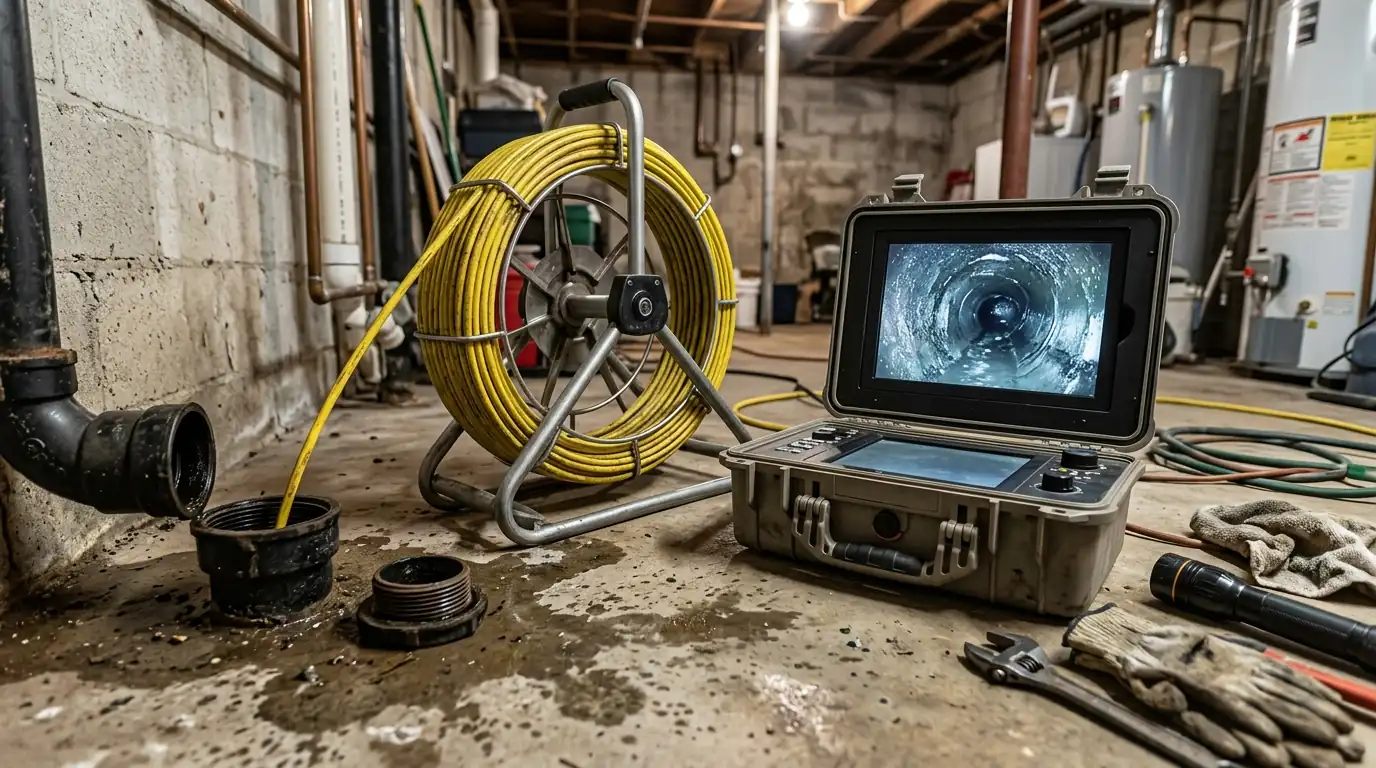
Sewer Camera Inspection
A waterproof camera shows roots, cracks, sags and pipe material in your sewer line, with recorded video you keep.
Learn more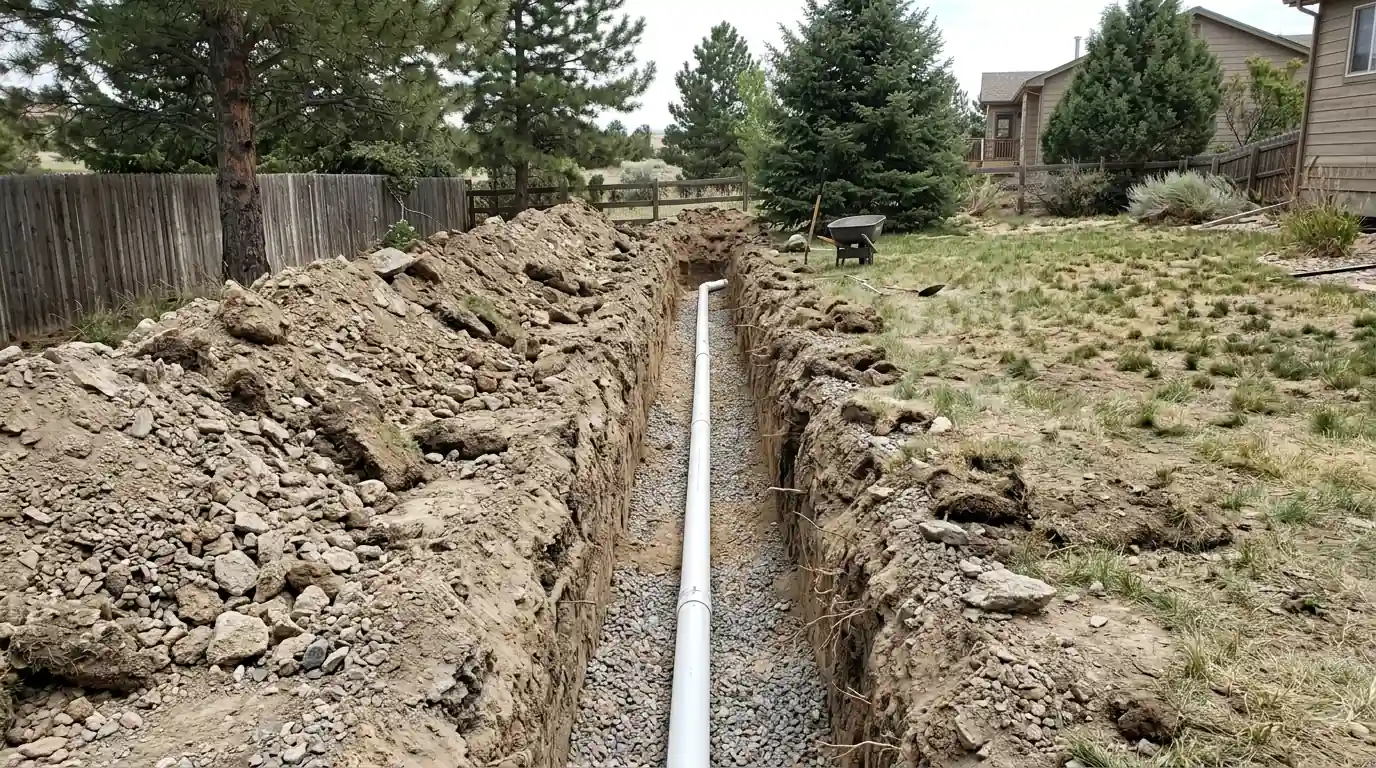
Sewer Line Replacement
Worn out clay, cast iron or Orangeburg laterals replaced end to end, by open trench or trenchless method.
Learn more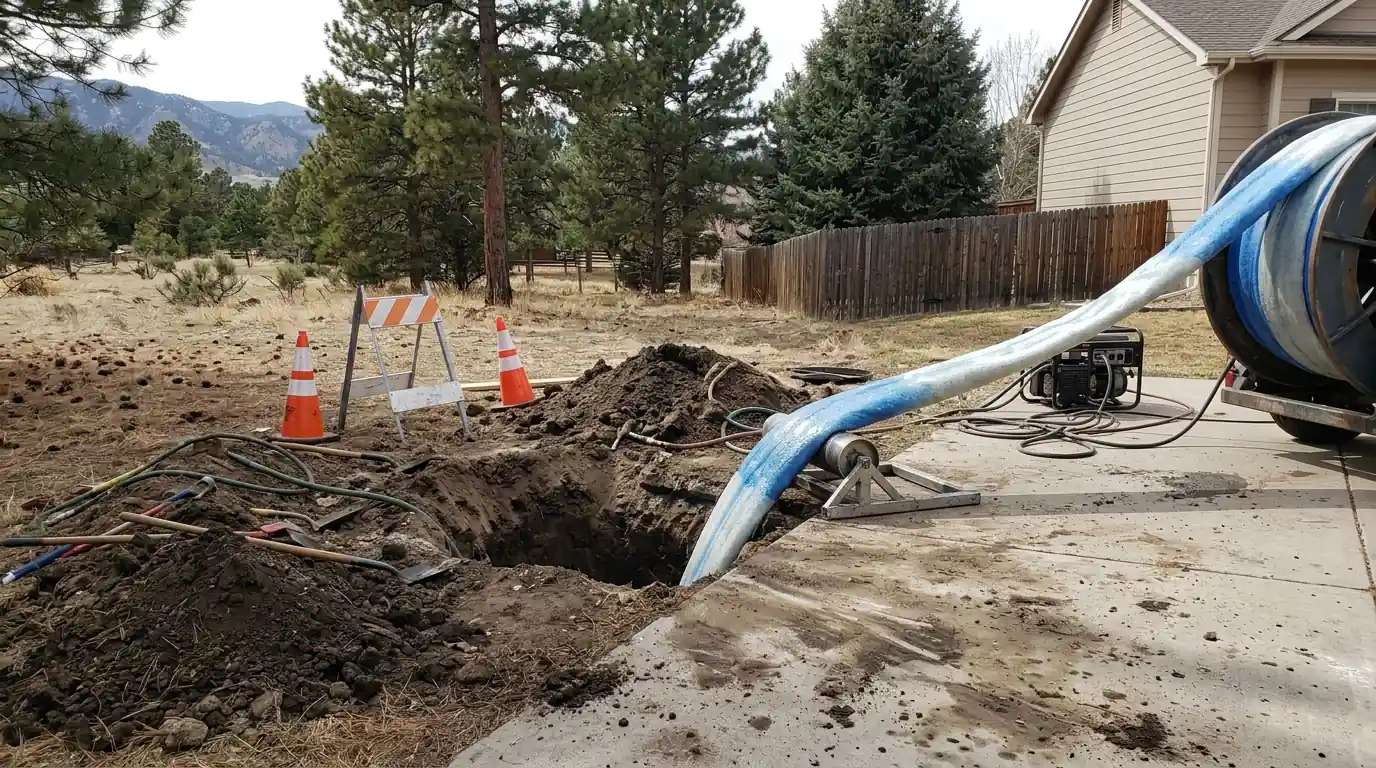
Trenchless Sewer Repair
Pipe lining and pipe bursting renew a damaged sewer line through small access points, saving driveways, trees and lawns.
Learn more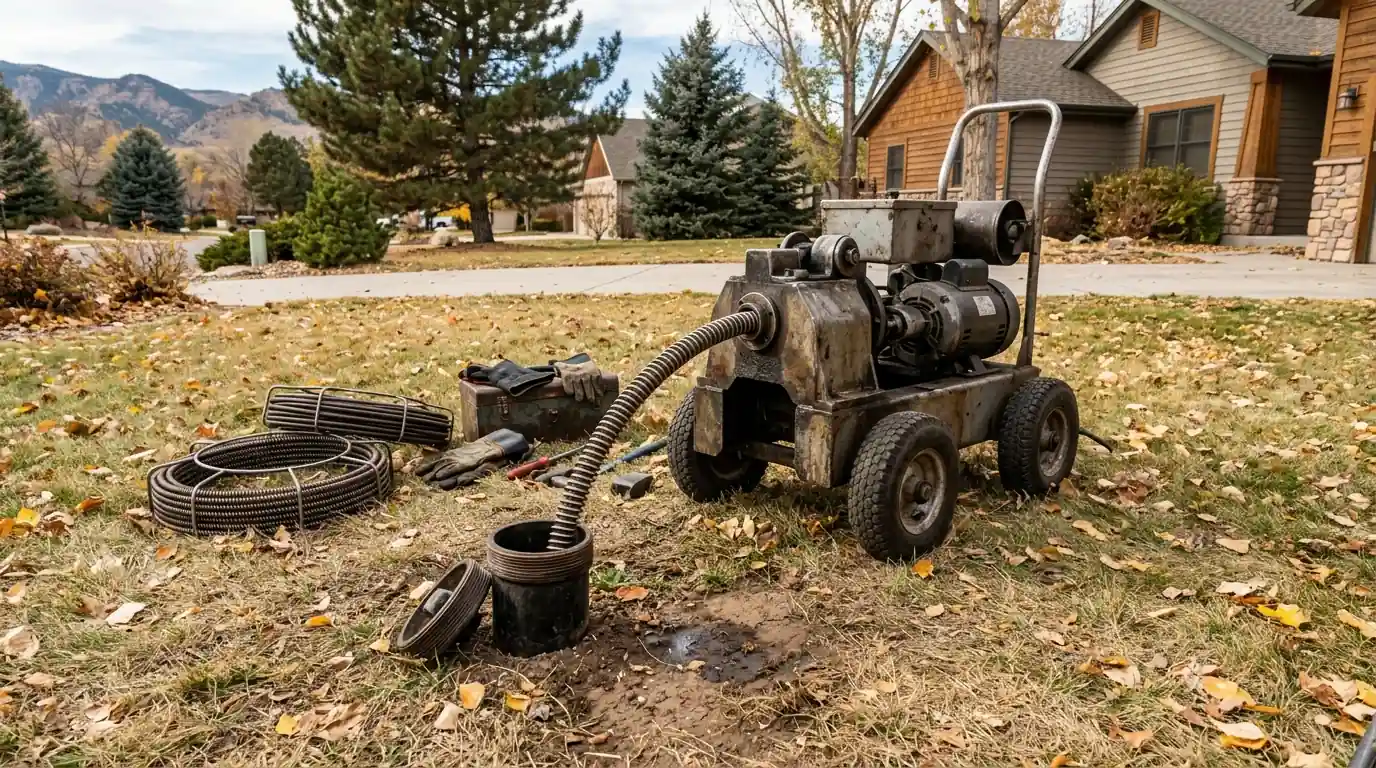
Main Sewer Line Cleaning
Backups at the lowest drain, tree roots and buildup cleared from the main lateral between your house and the city main.
Learn moreQuestions
Sewer Line Repair questions from Aurora homeowners
How do I know if my sewer line needs a spot repair or full replacement?
The camera footage decides it. If one or two short sections are damaged and the rest of the pipe is in good shape, a spot repair is usually the smarter choice. If defects appear along most of the line, a full replacement or lining often costs less over time than repeated repairs.
How long does a sewer spot repair take to finish?
Most shallow repairs are finished in a day once utilities are marked. Deeper digs, concrete removal or permit inspections can stretch the job to two days. We'll tell you what to expect and whether you can use your plumbing while the line is open.
Can I use my toilets and sinks during a sewer line repair?
Not while the pipe is cut open, because anything sent down the drain comes out at the dig. We keep that window as short as we can and tell you when to stop using water. Once the new section is connected, normal use can resume.
Will a sewer repair in my yard leave a big hole in the lawn?
Spot repairs usually need a focused dig at the problem area, not a trench across the yard. We save sod and topsoil where possible and compact the backfill so it doesn't sink. The patch will need some watering and time to blend in with the rest of the lawn.
Why do roots keep coming back at the same spot in my sewer?
Roots enter through an open or cracked joint, and cutting them leaves the opening in place. If the camera shows the same joint every time, replacing that section with new PVC removes the entry point. That ends the cycle of regrowth at that spot for good.
Coverage
Where we do sewer line repair around Aurora
These neighborhoods and nearby cities cover most of the households we serve. Not listed? Call and ask.
- Original Aurora, Aurora 80010
- Del Mar, Aurora 80010
- Hoffman Heights, Aurora 80011
- Aurora Hills, Aurora 80012
- Village East, Aurora 80012
- Willow Park, Aurora 80012
- Aurora Knolls, Aurora 80012
- Heather Gardens, Aurora 80014
- Aurora 80012
- Denver 80202
- Centennial 80112
- Parker 80134
- Englewood 80110
- Littleton 80120
- Greenwood Village 80111
- Lone Tree 80124
Need help with sewer line repair?
Call any time, day or night. A real person answers and tells you what happens next.