Drains & sewer
Main sewer line cleaning in Aurora, CO
When the main sewer line clogs, every drain in the house shares one exit with nowhere to go, and the lowest fixture overflows first. We clear the lateral out to the city main and find out why it stopped.
SERVICE PLATE
- Service
- Main Sewer Line Cleaning
- Typical range
- $245 to $465
- Area
- Aurora and the east metro
- Hours
- Answered 24/7
- Phone
- (720) 894-1012
Brands we work on every week
A main sewer clog shows up as several drains slowing at once, or water rising in a basement floor drain or tub when a toilet flushes. We clear it through a cleanout with a heavy cable machine and root cutter, then run a camera to see what caused it, whether roots, grease, a sag or broken pipe.
Warning signs
Warning signs that the main line, not one drain, is blocked
Water comes up the floor drain
The basement floor drain is usually the lowest opening on the system. When the main is blocked, wastewater from upstairs fixtures surfaces there first.
Flushing makes the tub gurgle
If a toilet flush pushes bubbles or water into a nearby tub or shower, wastewater is backing up the shared line instead of leaving the house.
Every drain is slow at the same time
One slow sink is a local clog. When the kitchen, bathrooms and laundry are all sluggish together, the restriction is downstream in the main line.
Sewage odor in the basement
A partial blockage can hold wastewater in the line and push sewer gas past traps. Persistent odors near the floor drain or cleanout deserve attention.
Water around the cleanout cap
If the outdoor or basement cleanout is wet, leaking or pushing its cap loose, the line beyond it is full and has nowhere to drain.
Backups after heavy laundry days
Several loads of laundry send a lot of water down at once. A main line narrowed by roots or buildup can't keep up and starts to back up.
Step by step
Our steps from backed up basement to flowing main line
- 01
We confirm it is the main
We check which fixtures are affected and where the water is surfacing. That tells us whether we are dealing with the main lateral or a branch line.
- 02
We find the best access
We use an existing cleanout when there is one. Otherwise we pull a toilet or work through a roof vent, and we talk with you about adding a cleanout later.
- 03
We cut and clear the blockage
A heavy cable machine with a root cutter runs to the city main. We work it back and forth until the line drains freely and the debris flushes out.
- 04
We run a camera if you want one
With the pipe clean, a camera shows roots, cracks, sags and offset joints. You watch the screen with us and keep a copy of the video.
- 05
We clean up and explain
We disinfect the area around the floor drain, clear our gear and tell you what we saw, plus how soon the line is likely to need attention again.
Stop using water until the line is open
When the main line is blocked, every gallon you send down a drain ends up on your basement floor. Stop running the washer, dishwasher and showers, and hold off on flushing. Let everyone in the house know, since one quick shower can push a few inches of wastewater out of the floor drain. If water is still rising, call us right away.
Avoid pouring chemical openers into a main line backup. They rarely reach the blockage, and they make the standing water dangerous for anyone working on it. If you know where your cleanout is, leave the cap alone. Opening it with a full line behind it can release a sudden rush of sewage.
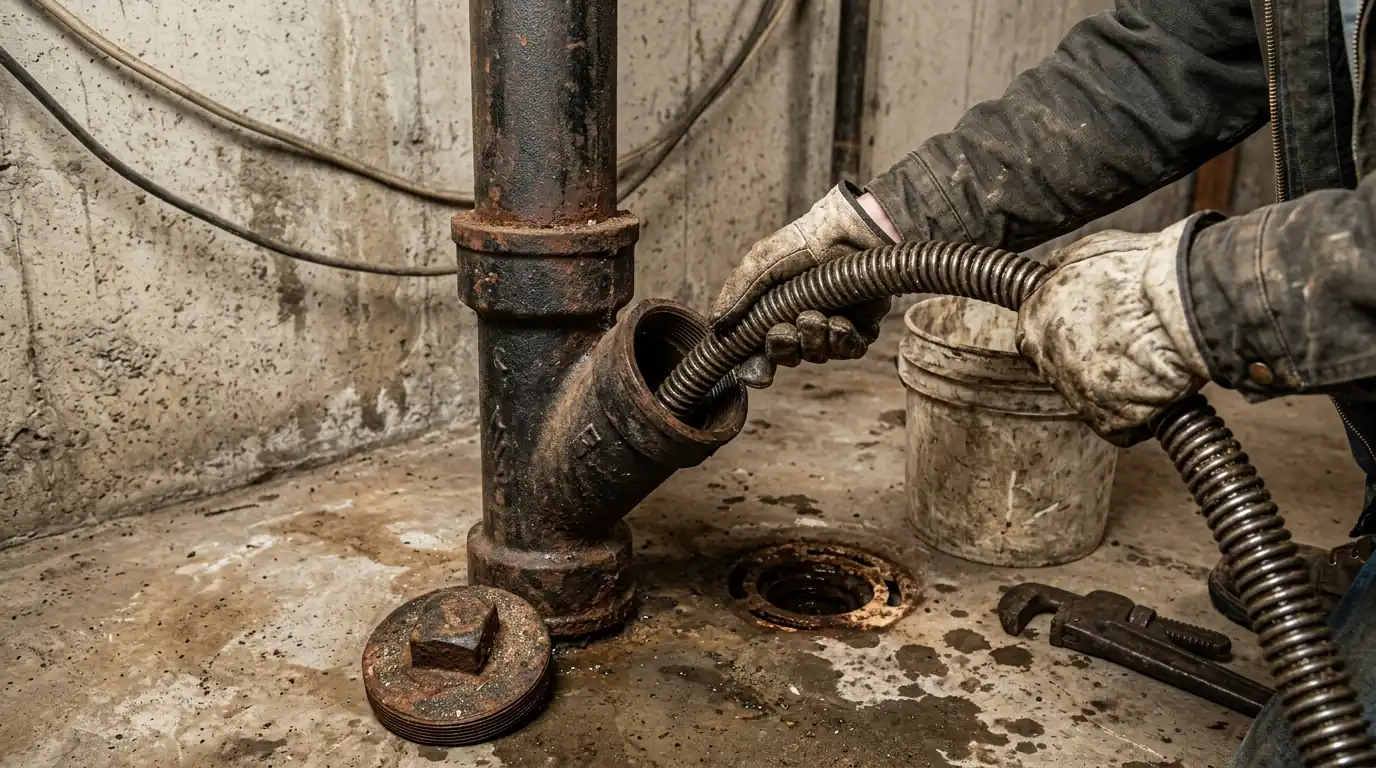
How we clear a lateral and what we look for afterward
We go in through a cleanout whenever one exists, because it gives a straight path to the main without pulling a toilet. A sectional or drum machine with a cutting head sized for four inch pipe chews through roots, wipes and grease. We run it all the way to the city main, then flush the line with water to carry the debris out.
Clearing the line solves today's backup, but it doesn't tell you why it happened. That's why we recommend a camera run after cleaning, while the pipe is clean enough to see clearly. Roots coming through a joint, a sag that holds water, or a cracked hub each call for a different next step.
What puts a main line at risk of backing up again
Tree roots are the most common repeat offender. They find the moisture at pipe joints, slip through tiny gaps and grow into a mat that catches toilet paper and wipes. Cutting them opens the line, but roots grow back, often within a year or two. Many homeowners plan routine cleaning until they decide on a lasting repair.
Flushable wipes, paper towels and grease are the other big causes. Wipes don't break apart the way toilet paper does, so they snag on rough cast iron and roots. A sagging section, called a belly, collects solids where water sits. A camera tells us which problem you have, so you don't pay for cleaning that will never fix it.
Aurora notes
What Aurora soil and older pipe do to sewer laterals
Many homes in Original Aurora and the northwest part of the city were built in the 1940s and 1950s with clay or cast iron sewer laterals. Clay pipe comes in short sections with many joints, and those joints are where roots get in. Cast iron rusts from the inside and grows rough scale that catches debris. Both kinds of pipe clog more often as they age, which is why we see repeat backups in these neighborhoods.
The expansive clay soil common across the Front Range swells when wet and shrinks when dry. Over the years that movement can shift buried sewer lines, open joints and create sags where waste collects. Keep in mind that the sewer line from your house to the city main is generally the homeowner's responsibility. When a backup returns, it's often a sign the pipe itself has moved, not just that it needs cleaning.
Pricing
Main sewer line cleaning prices for Aurora homes
TYPICAL AURORA PRICE RANGES
| Main line clearing through an accessible cleanout | $245 to $465 |
|---|---|
| Main line clearing with toilet pull or roof access | $325 to $595 |
| Root cutting in the main lateral | $295 to $545 |
| Cleaning plus camera inspection of the lateral | $415 to $765 |
| After-hours main line clearing | $365 to $685 |
These are typical ranges for Aurora homes, not a quote. Your price depends on access, the blockage and what we find inside the line.
- Cleanout accessA cleanout gives a direct path to the main. Without one, we may need to pull a toilet or go through the roof, which adds labor.
- Type of blockageA wad of wipes clears quickly. A heavy mat of roots running through several joints takes longer and wears through cutting blades.
- Line lengthA long lateral to a main across the street takes more cable and more time than a short run to a main at the edge of the yard.
- Camera and follow-upAdding a camera inspection costs more on the day, but it can save you from paying to clean a line that needs repair instead.
Compare more jobs in our plumbing price guide.
Questions
Main Sewer Line Cleaning questions from Aurora homeowners
How do I know if my main sewer line is clogged or just one drain?
Run water in a few places. If only one sink or tub is slow, it is likely a branch clog. If several fixtures are slow together, or water comes up the basement floor drain when you flush or run the washer, the main line is the likely problem and needs prompt attention.
Will tree roots come back after you clean my sewer line?
In most cases, yes. Cutting removes the roots inside the pipe, but the opening at the joint is still there, and roots will find it again. Many Aurora homeowners schedule cleaning every year or two. A pipe liner or a repair of the bad joint stops roots for good.
Is it safe to stay in the house during a sewer backup?
Usually, yes, as long as you stop using water and keep people and pets away from the contaminated area. Avoid touching sewage with bare hands, ventilate the basement and don't run fans that blow over the wet floor toward living spaces. We disinfect the area around the drain after clearing the line.
Who pays for a sewer backup caused by the line in my yard?
The sewer line from your house to the city main is generally the homeowner's responsibility, so clearing and repairing it is usually on you. Some homeowner policies cover backup damage with a specific rider. Check your policy and take photos of the damage before cleanup starts.
Why does my sewer line back up every time I do laundry?
Washing machines release a lot of water in a short time. If roots, scale or a sag have narrowed the main line, that rush of water can't get past fast enough and spills out the lowest drain. Cleaning helps, and a camera inspection shows whether a deeper problem is waiting.
Related work
Other plumbing jobs that often go with this one
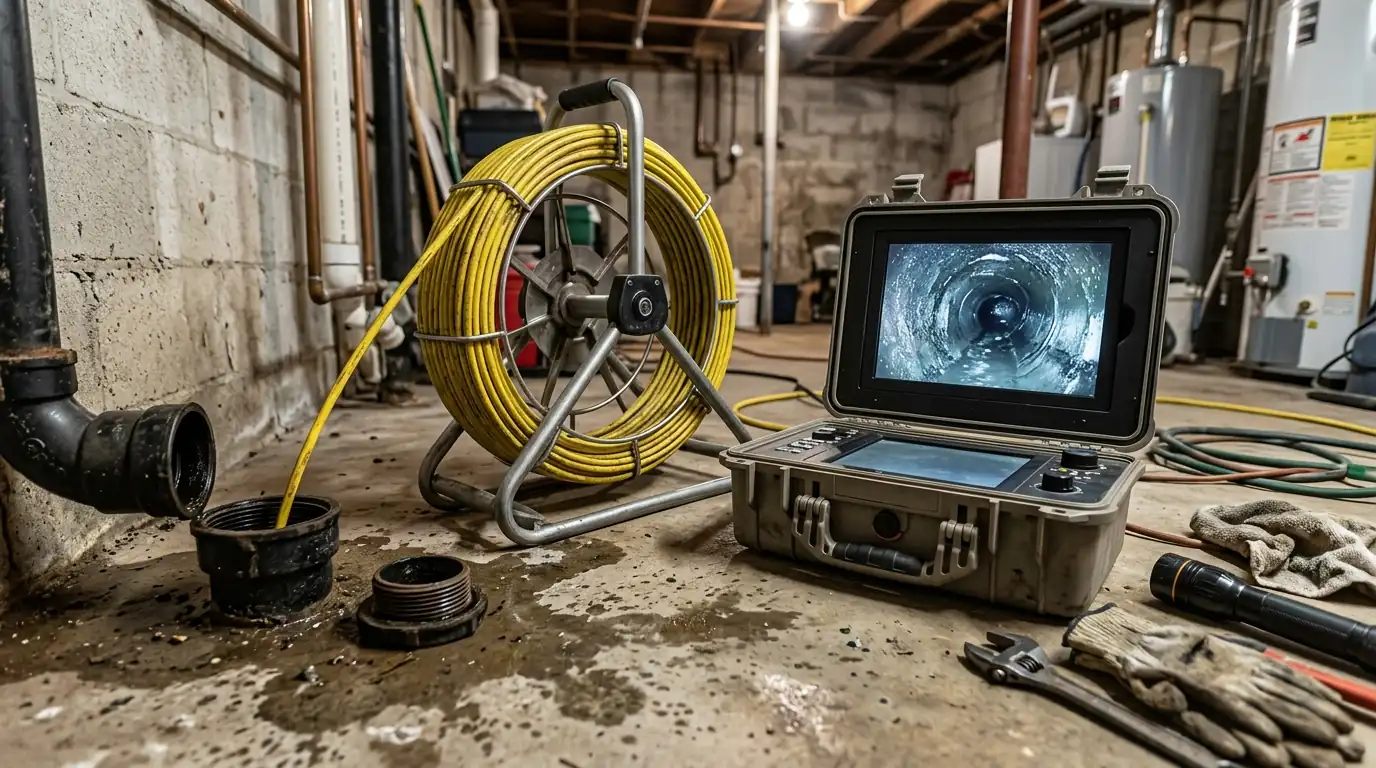
Sewer Camera Inspection
A waterproof camera shows roots, cracks, sags and pipe material in your sewer line, with recorded video you keep.
Learn more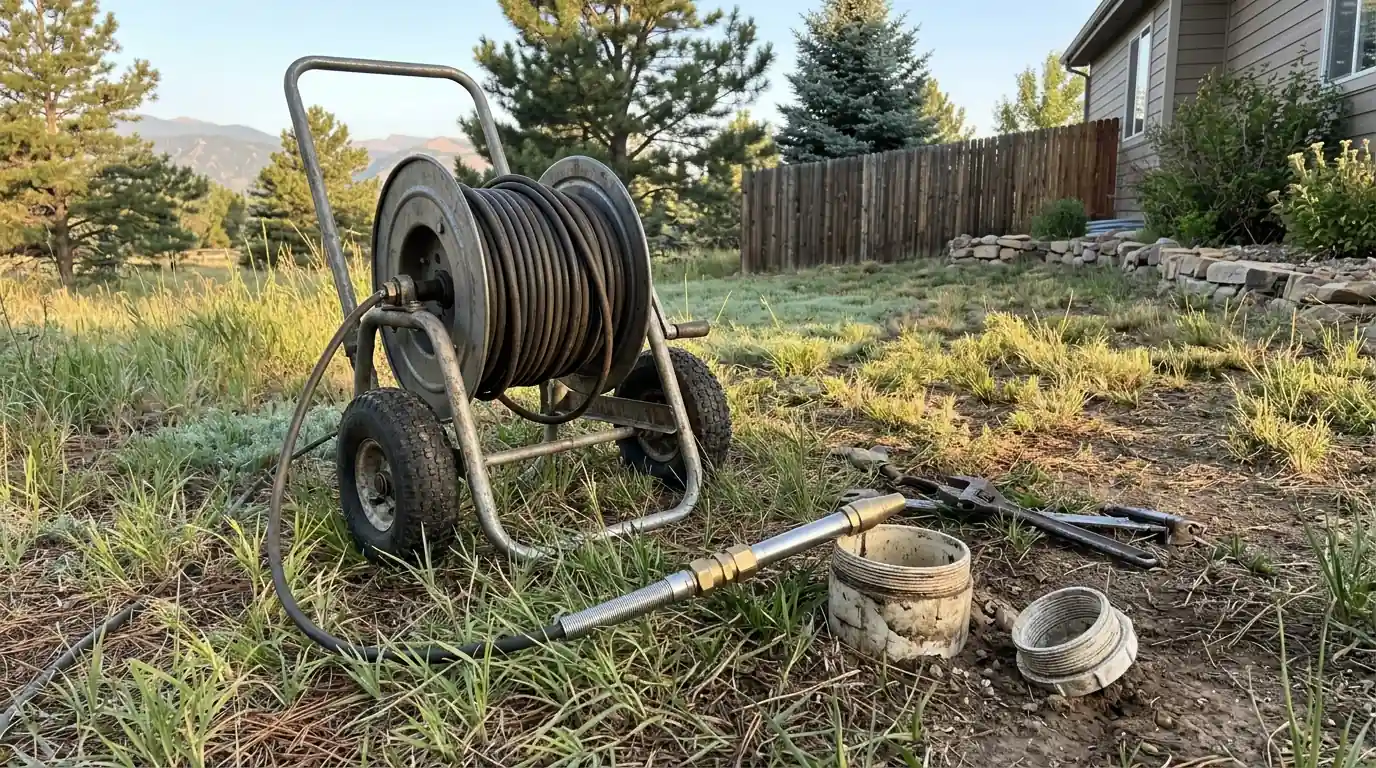
Hydro Jetting
High-pressure water scours grease, scale and fine roots from drain and sewer pipe walls instead of just punching a hole.
Learn more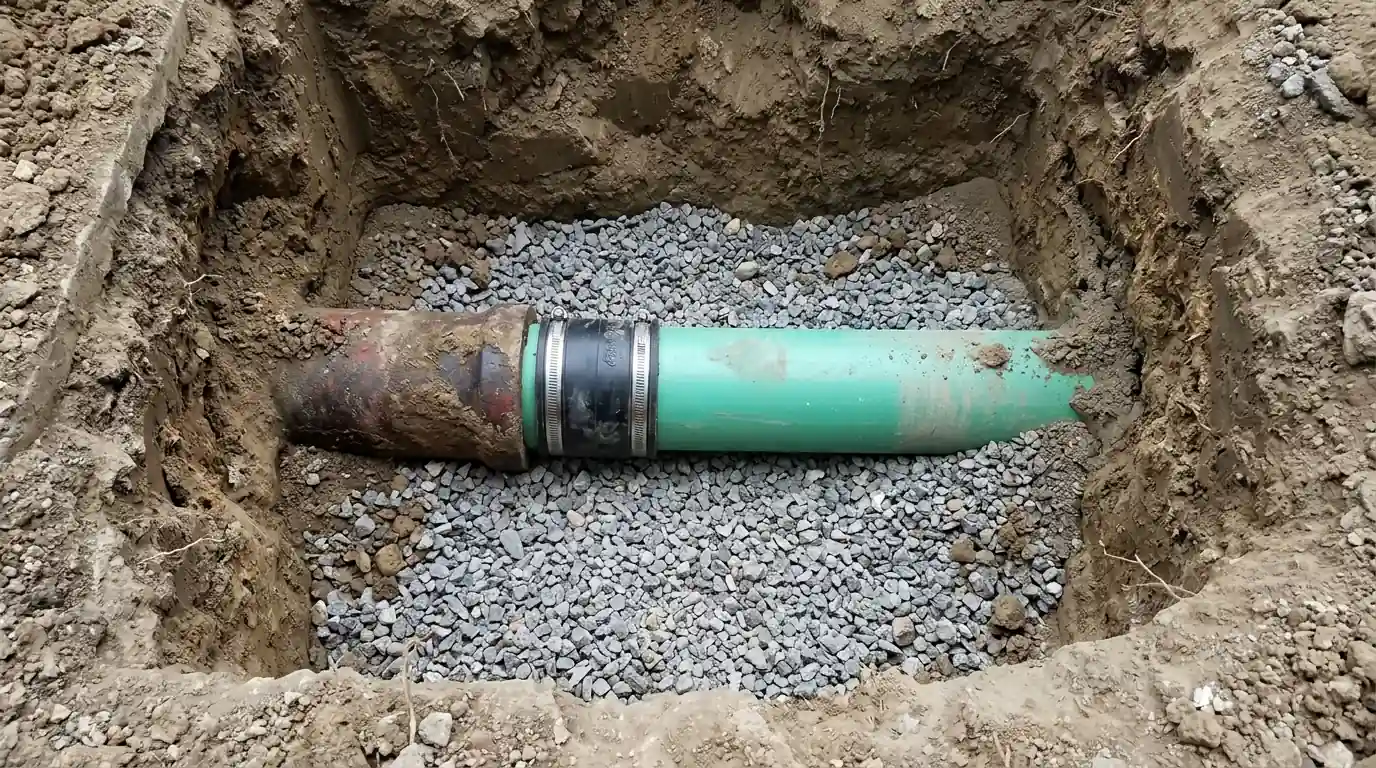
Sewer Line Repair
A cracked, offset or sagging section of sewer pipe dug up and replaced on its own, without redoing the whole line.
Learn more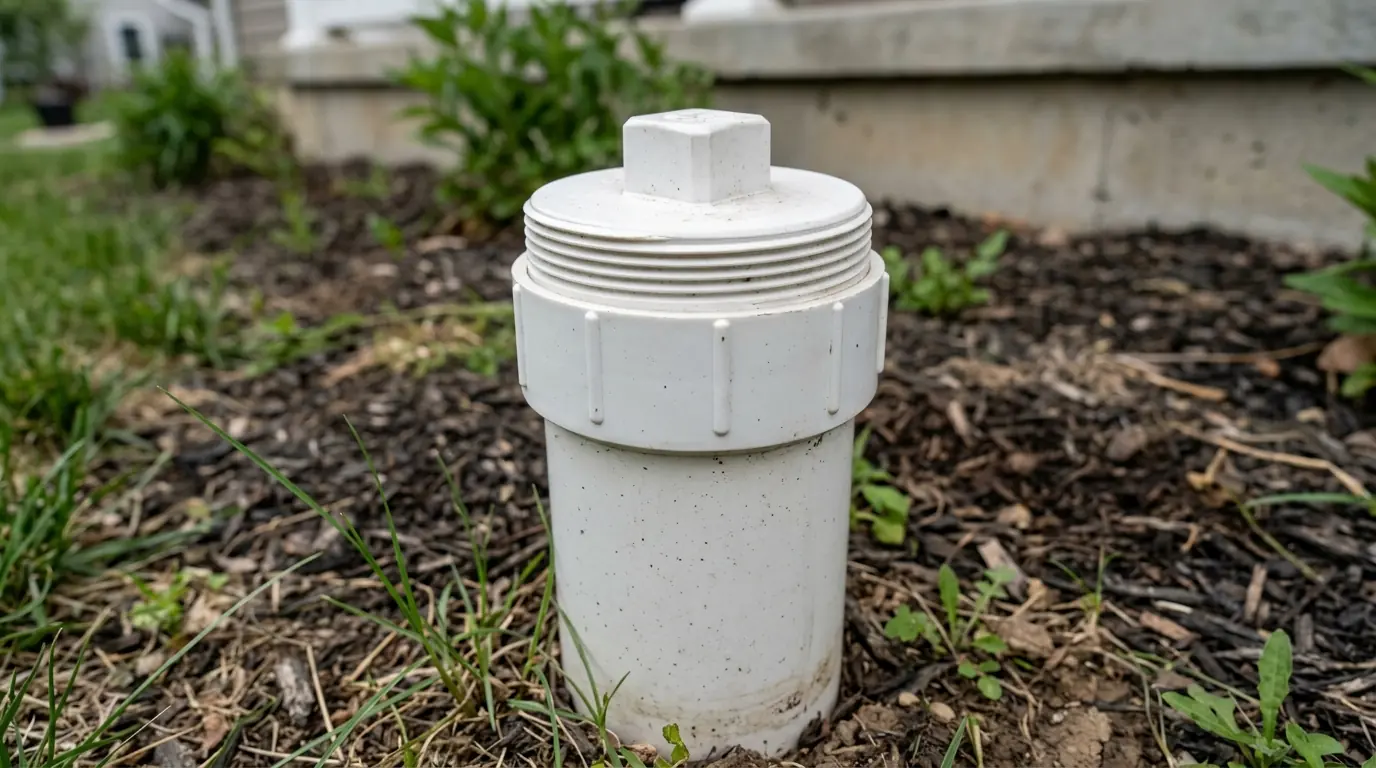
Sewer Cleanout Installation
A capped access fitting on your sewer lateral that makes future cleaning and camera work faster, cleaner and less costly.
Learn moreCoverage
Where we do main sewer line cleaning around Aurora
These neighborhoods and nearby cities cover most of the households we serve. Not listed? Call and ask.
- Original Aurora, Aurora 80010
- Del Mar, Aurora 80010
- Hoffman Heights, Aurora 80011
- Aurora Hills, Aurora 80012
- Village East, Aurora 80012
- Willow Park, Aurora 80012
- Aurora Knolls, Aurora 80012
- Heather Gardens, Aurora 80014
- Aurora 80012
- Denver 80202
- Centennial 80112
- Parker 80134
- Englewood 80110
- Littleton 80120
- Greenwood Village 80111
- Lone Tree 80124
Need help with main sewer line cleaning?
Call any time, day or night. A real person answers and tells you what happens next.