Drains & sewer
Sump pump repair and installation in Aurora, CO
A sump pump that quits during a heavy storm or snowmelt can let groundwater reach finished carpet and drywall in a few hours. We repair, replace and install sump pumps, and add battery backups so water keeps moving when the power goes out.
SERVICE PLATE
- Service
- Sump Pump Repair & Installation
- Typical range
- $165 to $345
- Area
- Aurora and the east metro
- Hours
- Answered 24/7
- Phone
- (720) 894-1012
Brands we work on every week
A sump pump sits in a pit at the low point of the basement and pumps groundwater out before it rises into the floor. Most failures come from a stuck float, a failed motor, a clogged intake, a bad check valve or a power outage. We test each one, repair what we can and replace the pump when it's worn out.
The parts that keep a sump system working
A sump system has a pit set into the basement floor, a pump with a float switch, a discharge pipe, a check valve and an outdoor outlet. Drain tile around the foundation feeds groundwater into the pit. When the water rises, the float turns the pump on, and the pump pushes water up and out of the house.
Every part matters. A worn float won't start the pump, a failed check valve lets water fall back into the pit, and a discharge line that's buried, frozen or too short can send water right back toward the foundation. When we troubleshoot, we check the whole chain rather than replacing the pump and hoping that fixes it.
Why a battery backup pays for itself
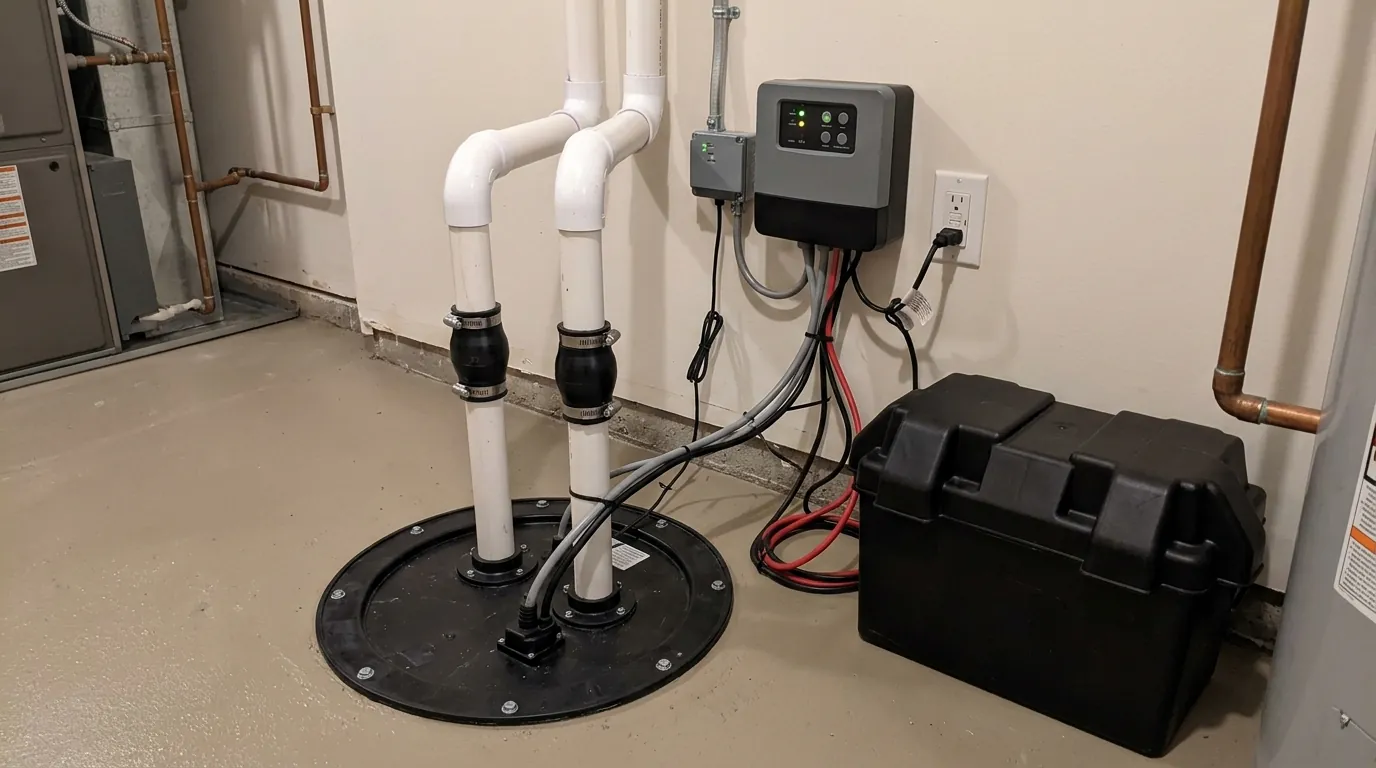
Heavy storms often bring power outages at the very time a sump pump is needed most. A battery backup pump sits in the same pit and takes over automatically when the main pump loses power or can't keep up. It also kicks in if the primary pump fails mechanically, which gives you a second line of defense.
Backup systems include a charger and an alarm that warns you when the battery runs low or the backup is running. Battery life depends on its size and the inflow rate. For homes with finished basements, we usually recommend a backup, since the cost of replacing carpet, drywall and furniture is far higher than the system.
Simple maintenance that prevents surprise failures
Test your sump pump a few times a year by slowly pouring a bucket of water into the pit until the float lifts. The pump should start, empty the pit and shut off cleanly. If it doesn't, call before the next storm. Check that the cord is plugged into a working outlet and that nothing in the pit blocks the float.
Outside, make sure the discharge outlet points away from the foundation and isn't buried under snow, mulch or ice. In winter, a frozen discharge line can stop water from leaving the house. Clean the inlet screen and remove sediment or gravel from the pit occasionally. These small steps catch most problems before they cause flooding.
Warning signs
How to tell your sump pump needs attention
The pump hums but water doesn't drop
A humming motor that isn't pumping usually has a jammed impeller or a clogged intake screen. It can burn out quickly if left running this way.
It runs and runs without stopping
Nonstop running points to a stuck float switch, a failed check valve letting water flow back, or a pump too small for the inflow.
Water stands in the pit after rain
If the pit fills above the float and the pump doesn't start, the switch, motor or power supply has likely failed. Act before water spills over.
Short, rapid on and off cycles
Frequent cycling wears out motors. It often comes from a float set too tightly, a pit that's too small or a missing check valve.
Rust, corrosion or a rattling pump
Visible corrosion, loose parts or rattling during operation suggest the pump is near the end of its service life.
Discharge line frozen or blocked
If the outdoor discharge line ices over or fills with debris, water has nowhere to go and the pump struggles or backs up.
Aurora notes
What Aurora soil and seasons ask of a sump pump
Many Aurora homes have basements, often finished, and the Front Range's expansive clay soil swells and holds moisture after storms and snowmelt. That wet clay pushes water toward foundation walls and drain tile, so a working sump pump is important even in a fairly dry climate. Soil movement can also crack slabs and foundations over time, giving water new paths into the basement when the pump can't keep up.
Winters bring sudden arctic cold fronts and big swings between day and night temperatures. Sump discharge lines that run above ground or sit close to the surface can freeze solid, which leaves the pump pushing against ice. We route and slope discharge lines so water drains out after each cycle, and we can add a freeze-resistant outlet that lets water escape even when the main line is blocked.
Step by step
From a dead pump to a dry basement, here is how we work
- 01
We check the pit and power
We confirm the outlet and breaker work, look at water level and inflow, and inspect the float, pump and inlet for obvious failures.
- 02
We test the pump and check valve
We run the pump through full cycles, watch the float action and check the valve so we know which part has actually failed.
- 03
We repair or replace
Floats, check valves and discharge fittings are often replaced on the spot. Worn pumps are replaced with a model sized to your pit and inflow.
- 04
We add backup if you want it
A battery backup pump, alarm or water-powered option can be installed in the same pit to keep water moving during outages.
- 05
We verify the discharge path
We check the outdoor line runs freely, points away from the foundation and is protected from freezing before we leave.
Pricing
Sump pump repair and installation cost in Aurora
TYPICAL AURORA PRICE RANGES
| Float switch or check valve replacement | $165 to $345 |
|---|---|
| Sump pump replacement in an existing pit | $465 to $985 |
| Battery backup sump pump system | $845 to $1,685 |
| New sump pit and pump installation | $1,865 to $3,945 |
| Discharge line reroute with freeze protection | $345 to $785 |
These are typical ranges for Aurora homes, not a quote. Your price depends on the pit, the pump and what we find when we test the system.
- Pump typeCast iron and higher capacity pumps cost more than basic models but handle heavy inflow and last longer in busy pits.
- Backup choiceBattery backups vary by battery size and alarm features. Water-powered backups need a suitable water supply and pressure.
- New pit or existingCutting the slab and installing a new pit takes much more work than dropping a new pump into a pit that's already there.
- Discharge routeLong, buried or freeze-prone discharge lines need extra pipe, fittings and protection to work reliably year round.
Compare more jobs in our plumbing price guide.
Questions
Sump Pump Repair & Installation questions from Aurora homeowners
How often should I test my sump pump?
Test it a few times a year and before the wet spring season. Pour a bucket of water into the pit until the float rises. The pump should start, empty the pit and shut off. If it hums, cycles oddly or doesn't start, call before the next heavy storm.
Does my Aurora home really need a sump pump in a dry climate?
If your house has a sump pit, the builder put it there for a reason. Expansive clay soil holds water after storms and snowmelt, and that water presses against basement walls. A working pump protects finished basements even though Colorado is dry for much of the year.
What makes a sump pump discharge line freeze in winter?
Water left standing in an above-ground or shallow line can freeze during arctic cold snaps. Then pumped water has nowhere to go. Sloping the line so it drains fully between cycles and adding a freeze-resistant outlet both keep water moving when the temperature drops sharply.
Can a sump pump be plugged into any basement outlet?
It should be on a working, properly grounded outlet, ideally one that isn't shared with high-draw appliances. Extension cords aren't recommended. If the outlet is on a ground fault circuit that trips often, a backup pump and alarm are especially important so you aren't caught off guard.
Why does my sump pump run when it hasn't rained?
Groundwater can keep flowing into the pit days after rain or snowmelt, especially in clay soil. A pump running in dry weather can also mean a failed check valve, a stuck float or a sprinkler system soaking the soil near the foundation. We check each one.
Related work
Other plumbing jobs that often go with this one
Sewage Ejector Pumps
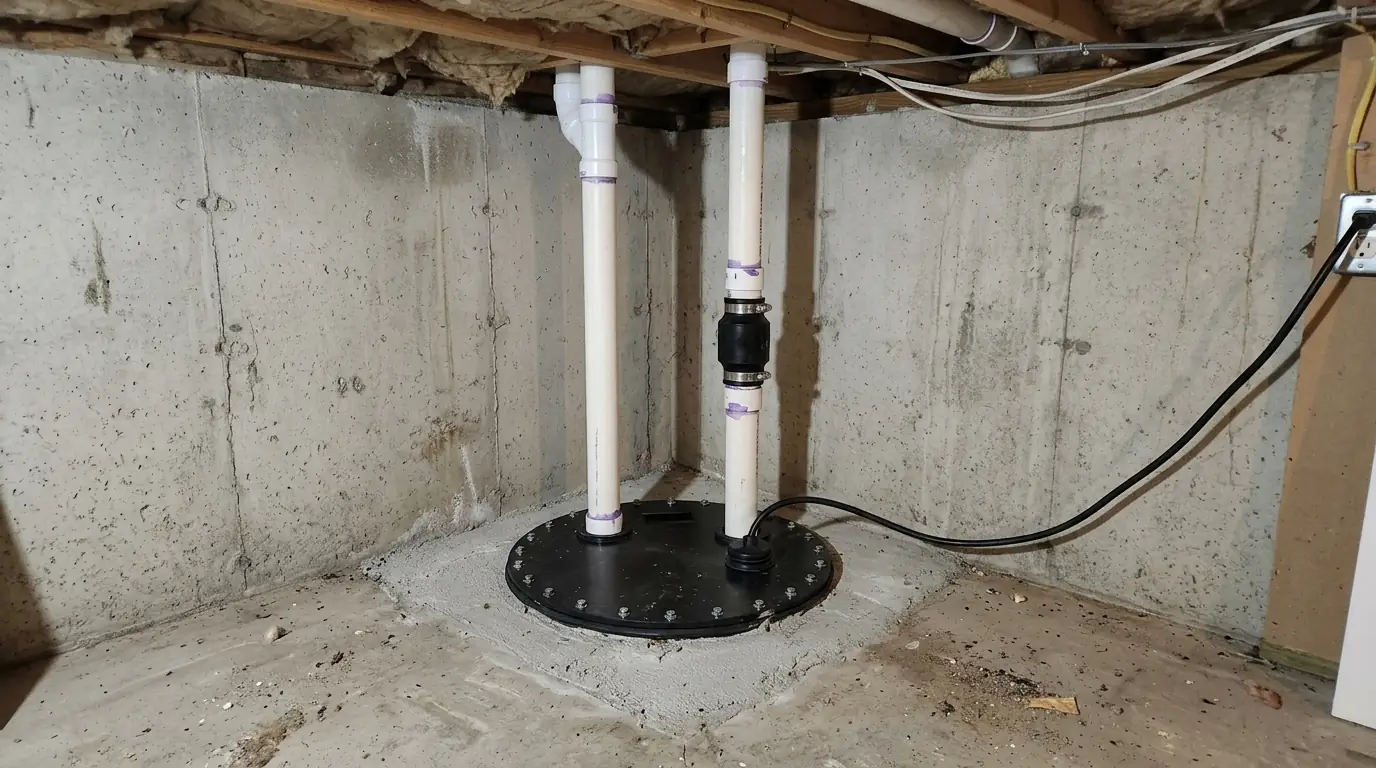
Repair and replacement of basement sewage ejector pumps, basins, check valves and alarms that lift waste up to the main line.
Learn more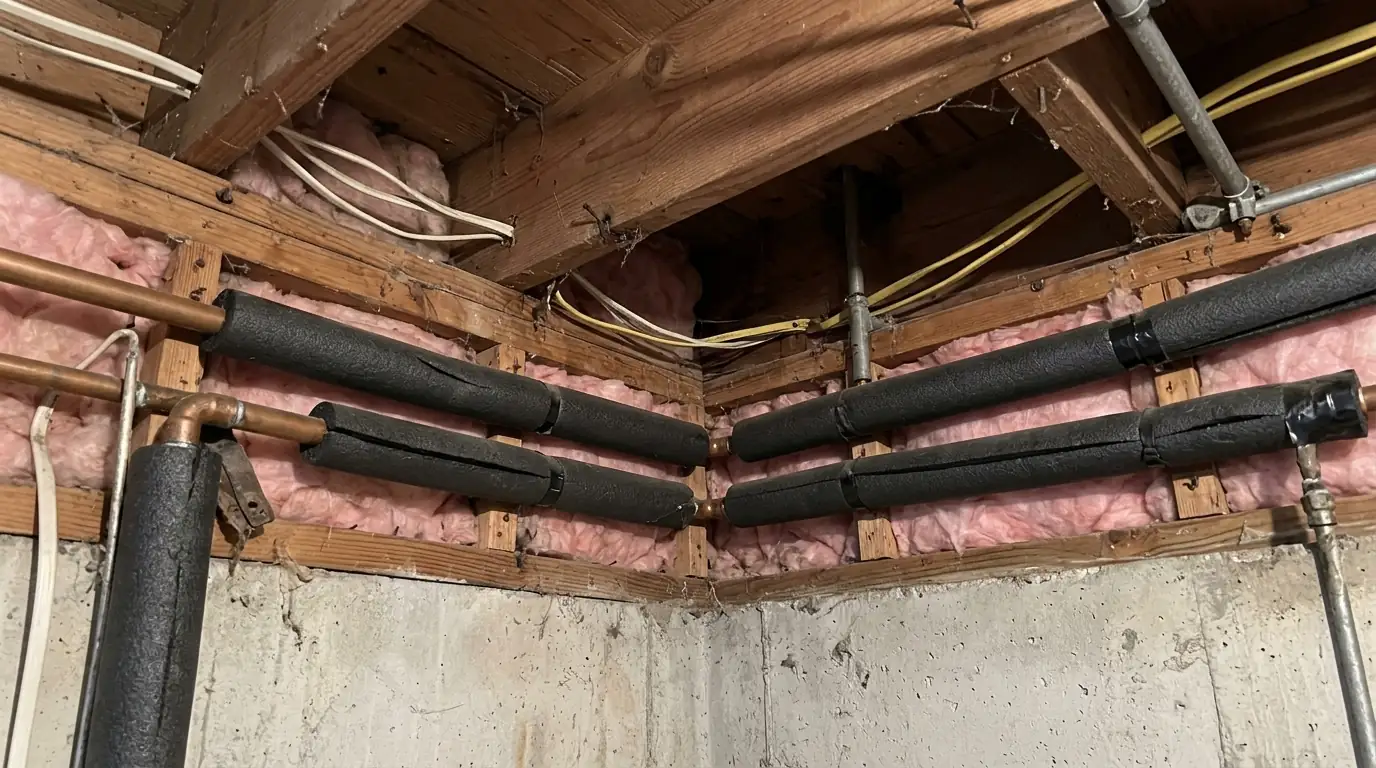
Pipe Freeze Protection
Pipe insulation, heat cable, rerouting and winter shutdown plans that keep water lines from freezing in deep cold.
Learn more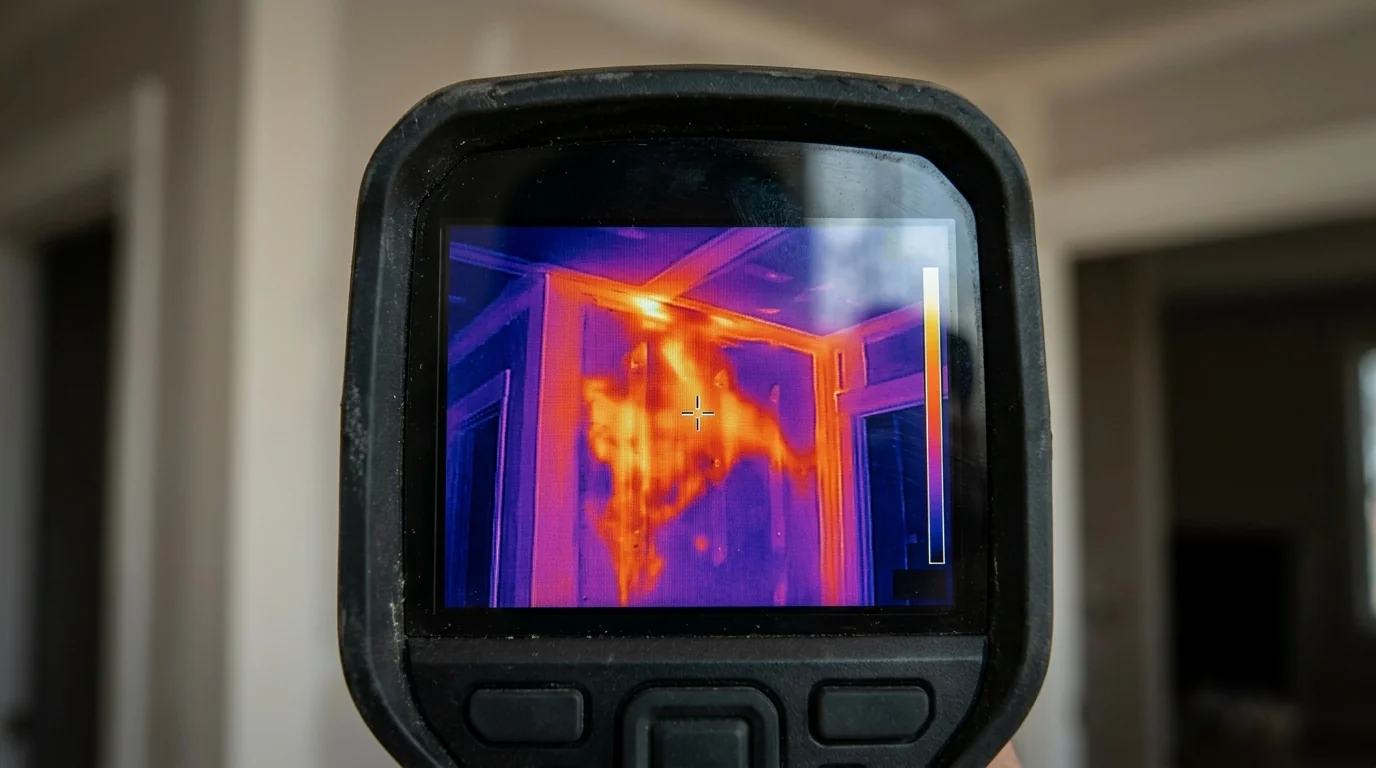
Leak Detection
Hidden water leaks pinpointed inside walls, ceilings, floors and yards with acoustic, thermal and pressure testing, with minimal opening up.
Learn more
Emergency Plumber
Burst pipes, sewage backups, overflowing toilets and no water at night, handled 24/7 across Aurora and the east metro.
Learn moreCoverage
Where we do sump pump repair & installation around Aurora
These neighborhoods and nearby cities cover most of the households we serve. Not listed? Call and ask.
- Original Aurora, Aurora 80010
- Del Mar, Aurora 80010
- Hoffman Heights, Aurora 80011
- Aurora Hills, Aurora 80012
- Village East, Aurora 80012
- Willow Park, Aurora 80012
- Aurora Knolls, Aurora 80012
- Heather Gardens, Aurora 80014
- Aurora 80012
- Denver 80202
- Centennial 80112
- Parker 80134
- Englewood 80110
- Littleton 80120
- Greenwood Village 80111
- Lone Tree 80124
Need help with sump pump repair & installation?
Call any time, day or night. A real person answers and tells you what happens next.