Leaks & pipes
Shut-off valve replacement in Aurora, CO
A shut-off valve only matters when something is spraying, and that is the worst time to find out yours won't turn. We replace stuck, dripping or corroded valves at the main, the water heater and every fixture so they work when you need them.
SERVICE PLATE
- Service
- Shut-Off Valve Replacement
- Typical range
- $295 to $585
- Area
- Aurora and the east metro
- Hours
- Answered 24/7
- Phone
- (720) 894-1012
Brands we work on every week
If your main shutoff takes many turns, won't close fully or drips at the stem, it should be replaced before an emergency puts it to the test. We swap old gate valves for full-port ball valves that close with a quarter turn, and we replace the small stops under sinks and toilets the same way. Most valve jobs take a single visit.
Gate valves, ball valves and why the switch matters
Many older homes still have a gate valve at the main: a round wheel handle that takes several full turns to close. Inside, a brass wedge slides down into a seat. After decades of sitting wide open, the wedge and stem corrode and the seat collects scale, so the valve either sticks in place or never seals completely.
A ball valve uses a drilled ball that rotates a quarter turn from open to closed, with a lever handle. The handle position shows you at a glance whether the valve is open. Full-port ball valves don't restrict flow, they rarely seize, and anyone in the house can close one in a second. That is the valve we install at the main and at the water heater.
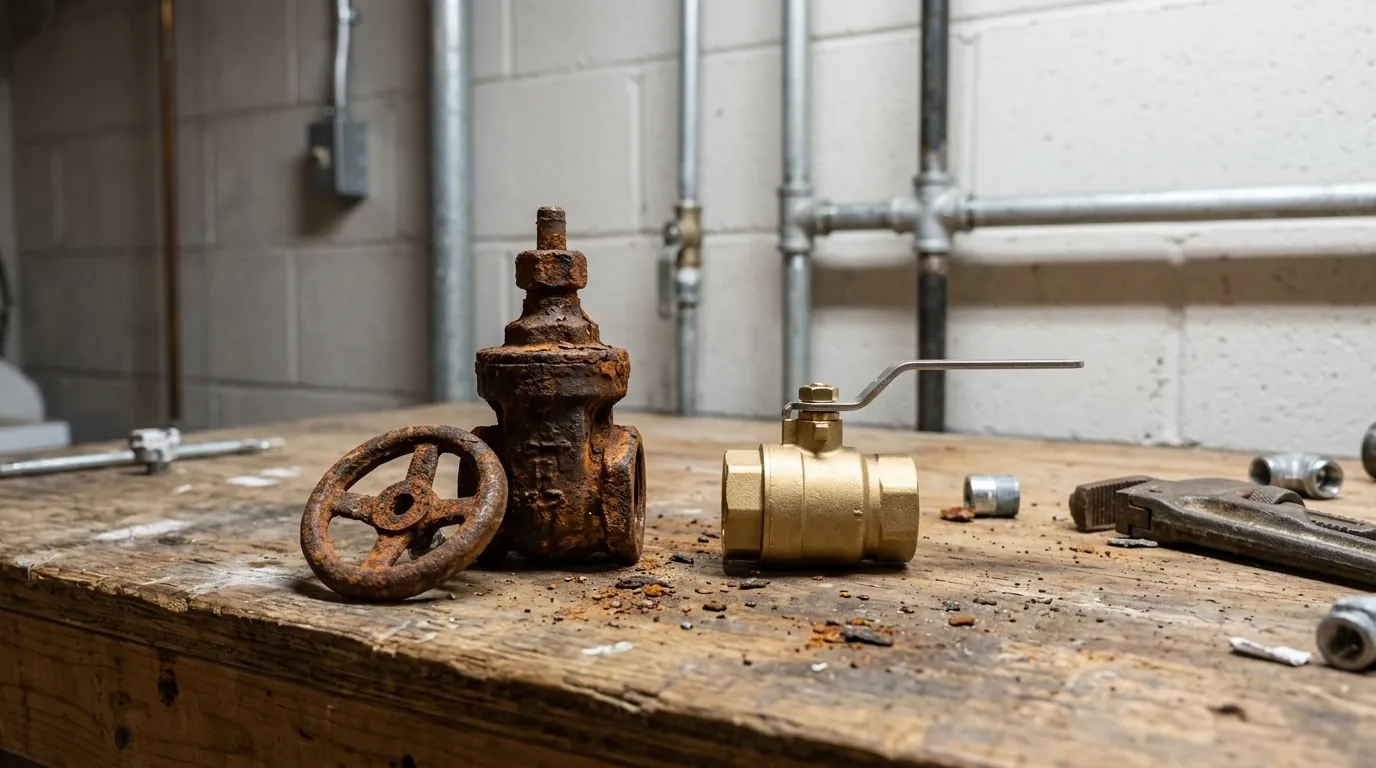
The small stops under sinks and toilets count too
Fixture stops get ignored until a supply line bursts under a vanity or a toilet won't stop running. Older multi-turn compression stops tend to seize, or to drip once they are disturbed. We replace them with quarter-turn stops sized for the pipe you have, and we usually replace the braided supply lines at the same time, since those age out as well.
Doing all the stops in one visit costs less per valve than calling us for them one at a time. It also means every fixture in the house can be isolated on its own. When a sink or toilet needs work later, the rest of your home keeps running water while that one spot is shut down.
What we check while the water is off
Replacing the main valve means the house is without water for a short time, so we make the most of that window. We look at the pipe on each side of the valve for corrosion, check the pressure reducing valve if you have one, and inspect the water heater connections. Thin galvanized nipples or a weak union are easy to swap while everything is drained.
If the main valve is fed by galvanized pipe, we may recommend cutting back to sound pipe before installing the new valve. Putting a new ball valve on a corroded nipple just moves the weak point a few inches. We show you what we see, explain why it matters, and price any extra work before we touch it.
Pricing
Shut-off valve replacement costs in Aurora
TYPICAL AURORA PRICE RANGES
| Main shutoff replacement with a full-port ball valve | $295 to $585 |
|---|---|
| Water heater cold supply valve replacement | $165 to $315 |
| Single fixture stop valve with a new supply line | $115 to $195 |
| All fixture stops in a typical two-bathroom home | $545 to $985 |
| Adding a shutoff where none exists | $185 to $365 |
Prices are typical Aurora ranges, not a quote. Your total depends on your pipe, the valve locations and what we find once the water is off.
- Pipe materialCopper and PEX take new valves easily. Galvanized often needs extra fittings or a short section replaced so the valve has sound pipe to attach to.
- AccessA main shutoff behind a finished wall or under the stairs may need an access panel cut, which adds time compared with an open utility room.
- Isolating the houseIf no inside valve will close, we have to shut water off further upstream. A buried or stuck curb stop adds time before the real work can begin.
- How many valvesEach additional stop costs less once we are set up and the water is already off, so doing several at once lowers the price per valve.
Compare more jobs in our plumbing price guide.
Step by step
How a valve replacement visit goes
- 01
Find and test every valve
We locate the main, the water heater valve and the fixture stops, test each one gently, and show you which ones won't close or are leaking.
- 02
Agree on the scope
You choose which valves to replace. Many homeowners do the main and the water heater first, then the fixture stops while we are already there.
- 03
Shut down and drain
We close the nearest working valve upstream, open low fixtures to drain the lines, and protect the floor and cabinets around the work area.
- 04
Install new valves
We cut out the old valve, prepare the pipe ends, install the new ball valve or stops with fittings that suit your pipe, and replace aging supply lines.
- 05
Restore and walk you through
We bring water back slowly, bleed air from the lines, check every joint, then show you where each shutoff is and how to close it fast.
Warning signs
Signs your shutoffs won't help you in a leak
The handle won't budge
Valves that sit open for years build up scale and corrosion. Forcing a stuck handle can snap the stem or crack an old valve body, so stop and call before you crank on it.
It turns but water keeps running
Gate valves have a wedge inside that can corrode or drop off the stem. The handle spins, the valve feels closed, and water still flows into the house.
Drips at the stem or packing nut
A small drip just below the handle means worn packing. Snugging the nut sometimes helps for a while, but on an old valve it usually signals the rest is wearing out too.
Green or white crust on the body
Corrosion around the valve body or its joints means slow seepage. On valves near the water heater it often comes with rusty steel nipples that are thinning out.
Fixture stops crusted solid
Old multi-turn stops under sinks and toilets often seize. When you need to stop a running toilet, they either won't close or start leaking the moment you touch them.
No shutoff where there should be one
Some older homes have fixtures with no stop valve at all, so every small repair means shutting off the whole house. Adding stops makes future work faster and cheaper.
Aurora notes
Where shutoffs hide in Aurora houses
In most Aurora homes with basements, the main shutoff sits in the basement utility room near where the water line comes through the foundation, often close to the water heater and the floor drain. In finished basements it can end up behind a small access panel or tucked into a storage closet. Newer homes that keep the water heater in a garage or utility closet sometimes put the main there too.
Older houses in Original Aurora and on the northwest side often have gate valves on galvanized pipe from the 1940s and 1950s, and those are the valves most likely to be seized. Central Aurora's 1960s and 1970s homes usually have copper with aging gate valves and early stops. Aurora's moderately hard water slowly coats valve internals, which is one more reason to work your valves once or twice a year.
Related work
Other plumbing jobs that often go with this one
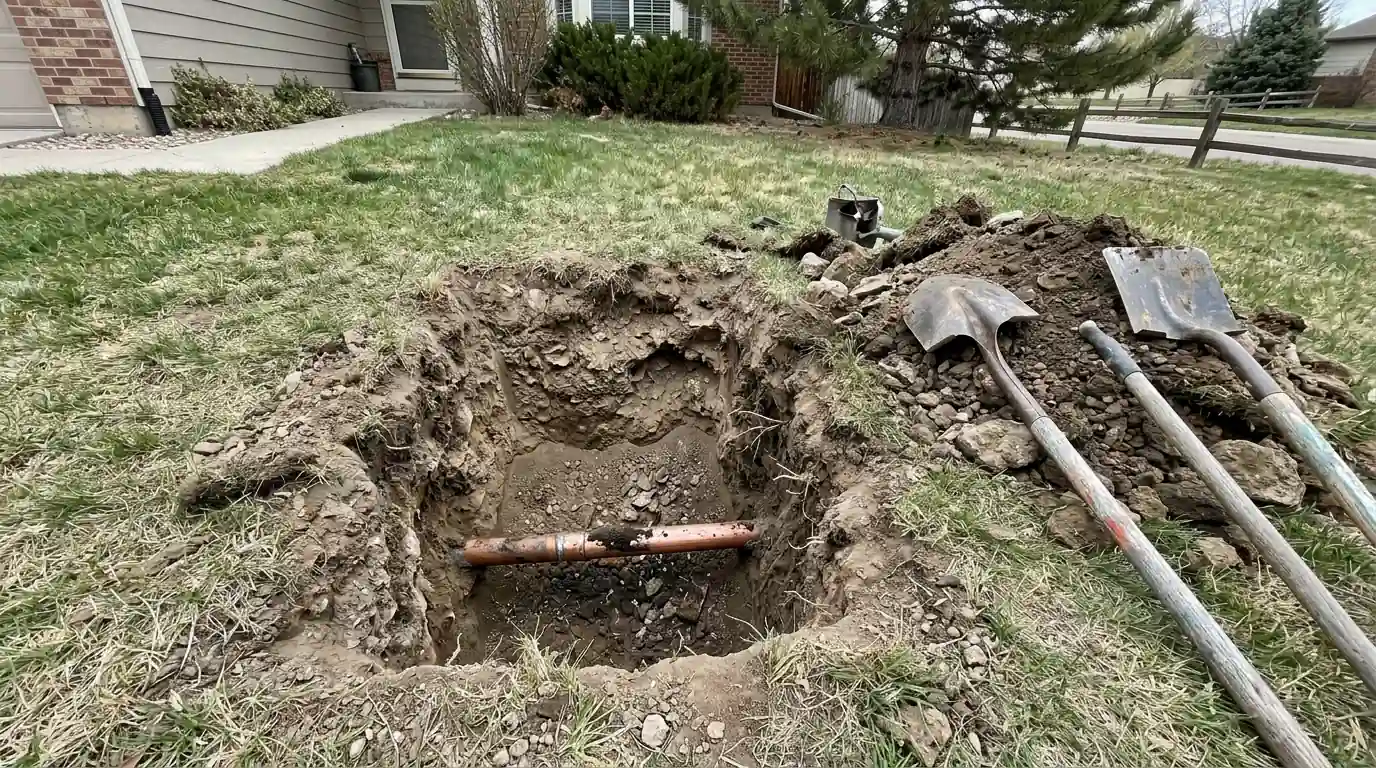
Main Water Line Repair & Replacement
Repair or replace the buried water service line between your meter and house when it leaks, breaks or loses pressure.
Learn more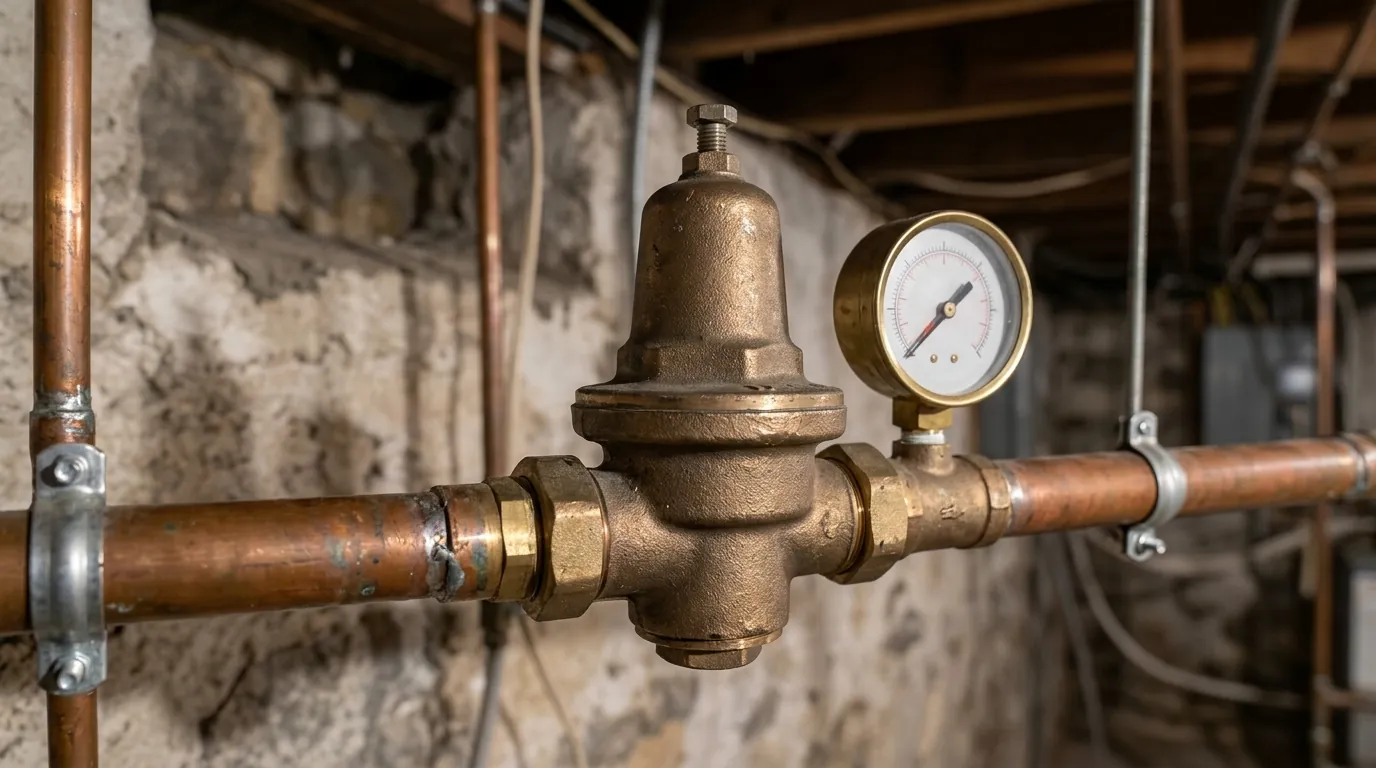
Pressure Reducing Valves
Test, adjust or replace the valve that keeps city water pressure from hammering your pipes, fixtures and water heater.
Learn more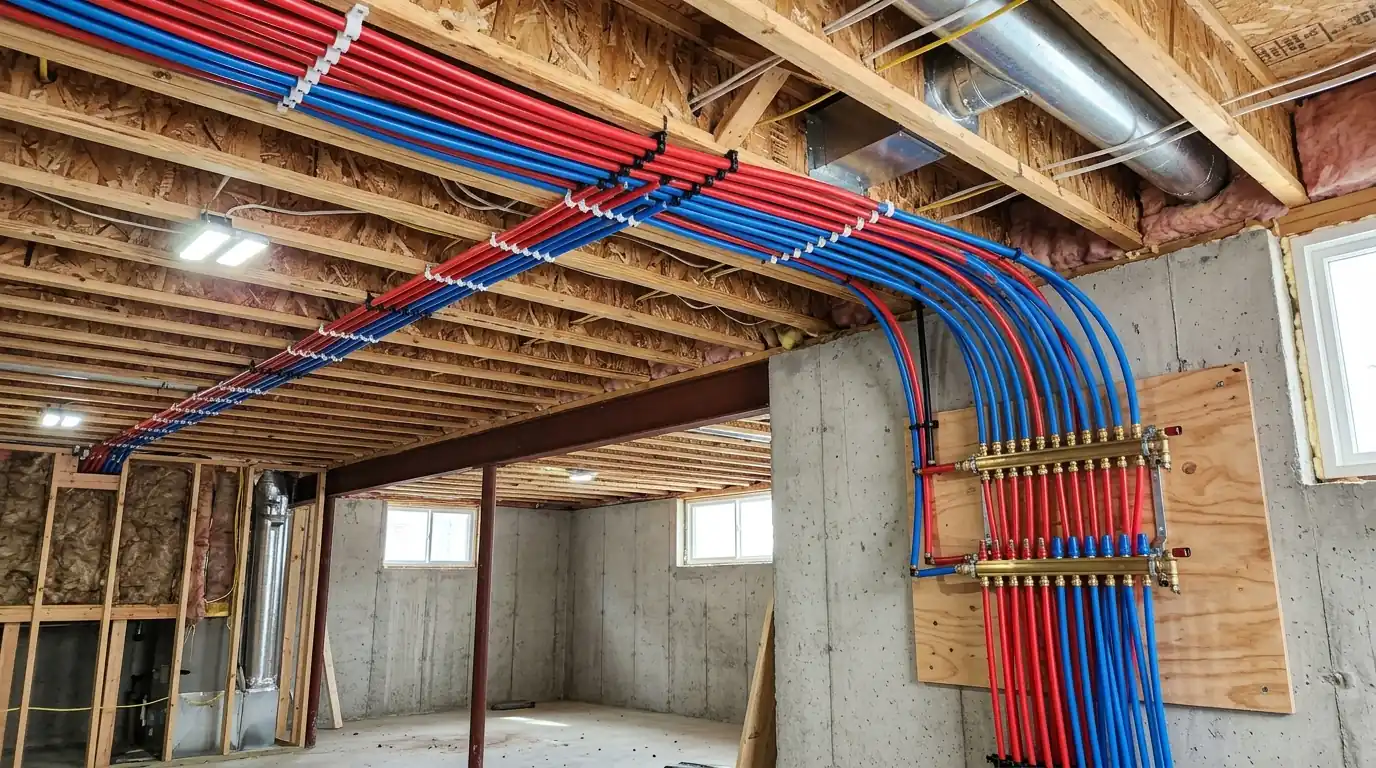
Whole-House Repiping
Replace failing galvanized, polybutylene or pinholed copper supply pipe with new PEX or copper throughout the whole house.
Learn more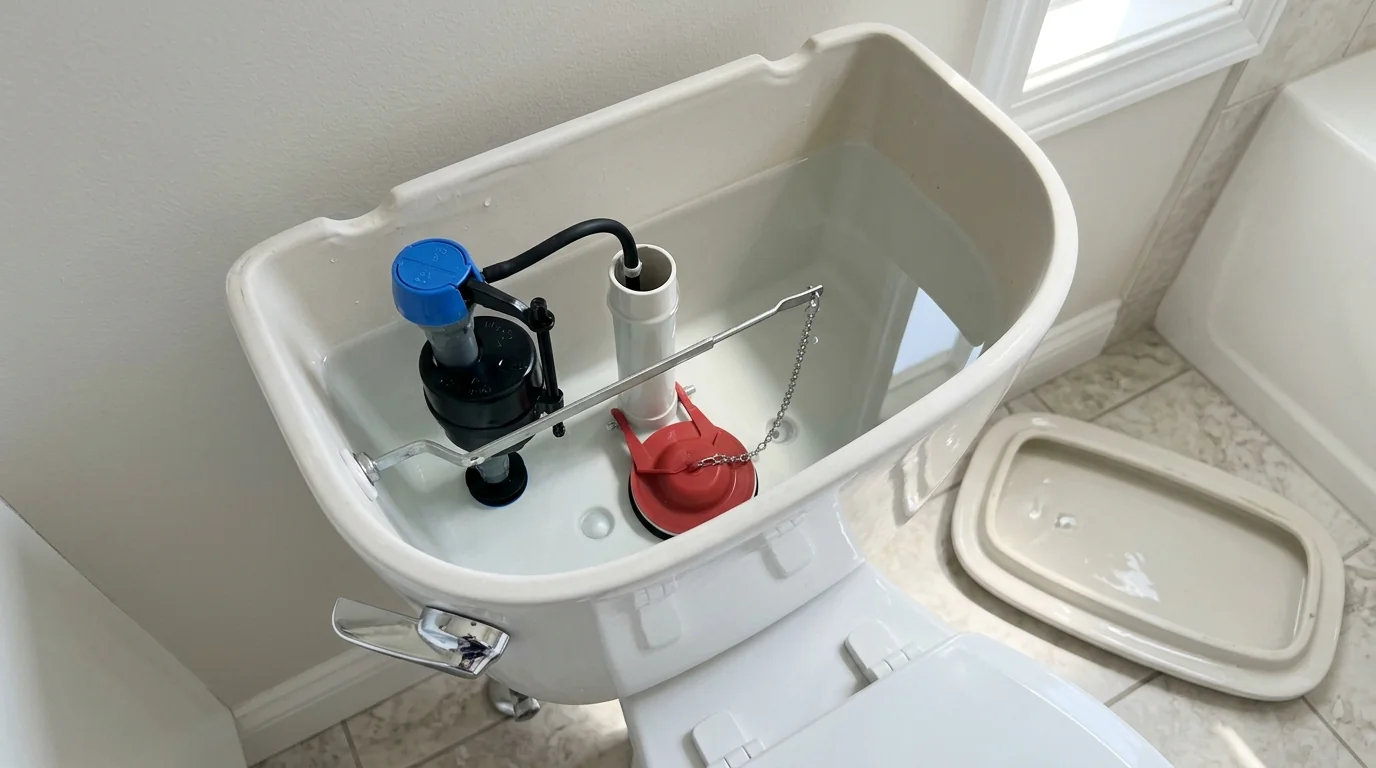
Toilet Repair
Running, rocking, leaking or weak-flushing toilets fixed fast, from fill valves and flappers to wax rings and cracked tanks.
Learn moreQuestions
Shut-Off Valve Replacement questions from Aurora homeowners
How often should I turn my main water shutoff valve?
Closing it fully and opening it again once or twice a year keeps scale from locking it in place. Do it gently. If it feels stuck, don't force it, because an old gate valve can break. That stiffness is your sign to have it replaced on your schedule rather than in the middle of a leak.
Why does my old gate valve still pass water after I close it?
The wedge inside has likely corroded, worn down or come loose from the stem. The handle turns, but the wedge no longer seats against the valve body. Repacking the stem or tightening the bonnet won't fix that. Replacing it with a ball valve is the reliable answer.
Are push-to-connect shutoff valves okay to use?
They have a place, especially for quick repairs in tight spaces, and they work on copper, PEX and some plastic pipe. For a main shutoff we generally prefer a soldered, crimped or threaded ball valve, because those joints hold up well over decades without depending on a rubber O-ring.
Can I replace the shutoff under my sink myself?
Many handy homeowners can, if the main works and the pipe is copper or PEX in good shape. Trouble starts with corroded galvanized nipples, soldered stops or a main valve that won't fully close. If any of those apply, a small job can turn into a flooded cabinet very quickly.
What should I label near my main water shutoff?
A simple tag that says main water shutoff, with an arrow showing which way closes it, helps anyone in the house act fast. We also suggest tagging the water heater valve and any branch valves. During an emergency, a family member or neighbor can stop the water before we arrive.
Coverage
Where we do shut-off valve replacement around Aurora
These neighborhoods and nearby cities cover most of the households we serve. Not listed? Call and ask.
- Original Aurora, Aurora 80010
- Del Mar, Aurora 80010
- Hoffman Heights, Aurora 80011
- Aurora Hills, Aurora 80012
- Village East, Aurora 80012
- Willow Park, Aurora 80012
- Aurora Knolls, Aurora 80012
- Heather Gardens, Aurora 80014
- Aurora 80012
- Denver 80202
- Centennial 80112
- Parker 80134
- Englewood 80110
- Littleton 80120
- Greenwood Village 80111
- Lone Tree 80124
Need help with shut-off valve replacement?
Call any time, day or night. A real person answers and tells you what happens next.