Water heaters
Tankless water heater repair in Aurora, CO
A tankless heater that flashes an error code or delivers lukewarm water usually has a specific, fixable cause. We read the code, test the sensors and burner, and get the unit back to steady hot water, often in one visit.
SERVICE PLATE
- Service
- Tankless Water Heater Repair
- Typical range
- $95 to $165
- Area
- Aurora and the east metro
- Hours
- Answered 24/7
- Phone
- (720) 894-1012
Brands we work on every week
Most tankless problems trace back to scale inside the heat exchanger, a dirty inlet filter, a failed flame rod or igniter, or a gas supply that cannot keep up. The error code points us toward the right system. Descaling and cleaning fix many units, and we test parts before replacing anything on yours.
Warning signs
Tankless problems that should not wait
An error code on the display
Codes for ignition failure, flame loss or overheating mean the unit shut itself down to stay safe. Resetting it might work once, but the underlying cause is still there.
Hot water turns cold mid-shower
If the temperature drops after a few minutes, the burner may be losing its flame, the gas supply may be undersized, or the flow sensor may be misreading demand.
Repeated bursts of cold water
A short cold slug after turning a tap off and on is normal. Long or repeated cold bursts point to a flow problem, a crossed fixture or a heater cycling on and off.
Weak flow at every hot tap
Scale or debris in the inlet screen or heat exchanger restricts flow. When only the hot side is weak throughout the house, the heater is the first suspect.
Loud whining or a rattling fan
The combustion fan pushes exhaust out through the vent. A failing bearing whines, and a fan that cannot reach speed triggers a shutdown on many models.
Water dripping from the unit
Drips can come from the relief valve, a cracked heat exchanger, a loose fitting or a clogged condensate line. Each has a different fix, so we trace it before replacing parts.
Step by step
How we get a tankless heater back to steady hot water
- 01
Read the code and history
We note the current error, pull the stored fault history and ask when the problem started and which fixtures were running when it happened.
- 02
Check gas, air and venting
We measure gas pressure while the unit fires at full demand, check the air intake and vent for blockage and confirm the altitude setting is correct.
- 03
Test sensors and ignition
The flame rod, igniter, flow sensor and thermistors are tested with a meter, so we replace only the parts that have actually failed.
- 04
Clean or descale as needed
If scale or debris is part of the problem, we flush the heat exchanger and clean the inlet filter before any new parts go in.
- 05
Run it hard and confirm
We open several fixtures to load the heater, watch the temperature hold steady, clear the codes and explain anything we noticed that may need attention later.
What tankless error codes are telling you
Every manufacturer uses its own code list, but most fall into a few groups: ignition and flame, gas supply, venting and airflow, overheating, and water flow. A code is a starting point, not a diagnosis. An ignition code can mean a bad igniter, a dirty flame rod, low gas pressure or a blocked air intake, and the right fix depends on which one it is.
We check the fault history stored in the unit, not just the current error. A heater that has logged dozens of flame losses over the winter tells a different story than one that threw a single code last night. That history helps us find the root cause rather than clearing the screen and leaving you to see the same code next week.
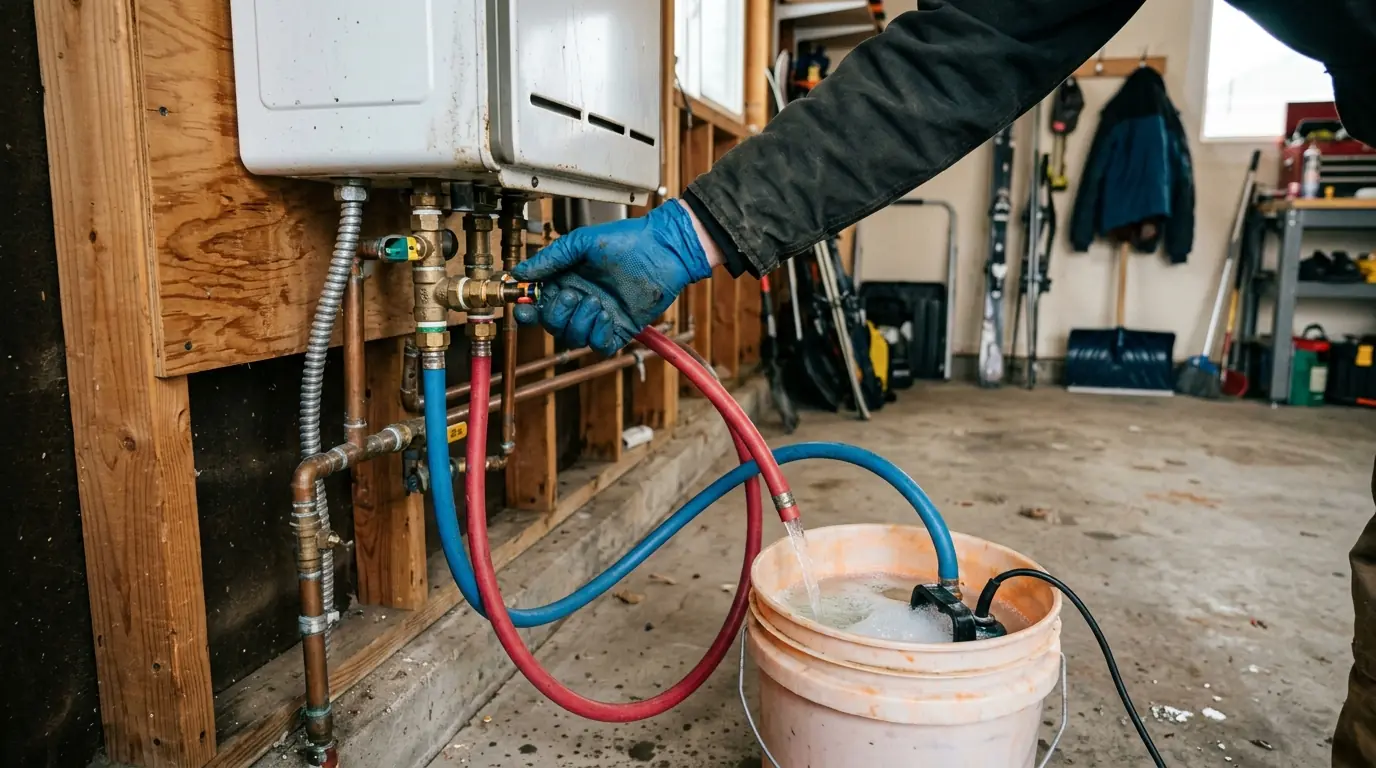
Why descaling solves so many tankless complaints
As water heats, minerals drop out and stick to the inside of the heat exchanger. The coating acts like insulation, so the unit runs hotter to reach its set temperature. Eventually it trips the overheat limit, restricts flow or starts making noise. Flushing with a descaling solution through the isolation valves dissolves that buildup and restores normal operation.
We circulate the solution for the time the manufacturer recommends, then flush with clean water, clean the inlet filter and check the flow sensor. If your unit was installed without isolation valves, we add them during the visit, so future flushes take less time and never require cutting into the pipes again.
When a tankless repair stops making sense
Most tankless parts are replaceable: igniters, flame rods, flow sensors, fans, gas valves and control boards. The expensive one is the heat exchanger. A cracked or badly corroded exchanger on an older unit can cost a large share of a new heater, and that is when we put both numbers in front of you side by side.
Age matters too. A unit approaching twenty years old with a failed exchanger is usually worth replacing. A five year old heater with the same failure may still be covered by its manufacturer, so it is worth finding the paperwork before paying for the part yourself. We help you check the details on the unit's label.
Aurora notes
Common tankless failures we see across the east metro
Altitude settings are a frequent culprit. At about 5,400 feet, a tankless heater left at its factory sea level setting can struggle to hold a stable flame and throw ignition or combustion codes. We confirm the altitude configuration on every service call, and on some units, correcting it turns out to be the entire repair, with no parts needed at all.
Moderately hard water means scale builds steadily inside heat exchangers here, especially on units that have never been flushed. Tankless heaters are common in the 2000s to 2020s neighborhoods of far southeast and northeast Aurora, and many of those units are now old enough to need serious descaling. Garage-mounted units also face cold snaps, so we check their freeze protection and drain-down valves as part of the visit.
Pricing
What tankless water heater repairs usually cost in Aurora
TYPICAL AURORA PRICE RANGES
| Diagnostic visit with code and gas pressure check | $95 to $165 |
|---|---|
| Descaling flush and inlet filter cleaning | $195 to $345 |
| Flame rod or igniter replacement | $245 to $465 |
| Flow sensor or thermistor replacement | $265 to $485 |
| Combustion fan motor replacement | $385 to $745 |
| Heat exchanger replacement | $985 to $1,865 |
These are typical Aurora ranges, not a quote. The real price depends on the model, the part and what we find during testing.
- Brand and modelParts for some brands cost more, and fewer of them are stocked locally. Common parts for major brands are usually available the same day.
- Scale levelA lightly scaled unit flushes quickly. One that has gone years without service may need a longer flush or more than one full cycle.
- Manufacturer coverageSome parts on newer heaters are covered by the manufacturer, so you may pay only for labor, depending on the unit's age and paperwork.
- Access and mountingUnits mounted high in a garage, inside a closet or outdoors in a recessed box take longer to open up and work on safely.
Compare more jobs in our plumbing price guide.
Questions
Tankless Water Heater Repair questions from Aurora homeowners
How often should a tankless heater be descaled in Aurora?
Once a year is a good rule with moderately hard water, and more often if your household uses a lot of hot water or the unit is already showing scale symptoms. A softener or scale filter can stretch the interval. Your unit's manual may also list its own recommendation.
Why does my tankless heater shut off when the shower and dishwasher run together?
The combined demand may be more than the unit or its gas supply can handle. When the burner cannot get enough gas, flame sensing fails and the unit shuts down. We measure gas pressure under full load to see whether the heater or the gas line is the limit.
Can I reset a tankless error code myself?
Usually yes, by turning the unit off and back on or following the reset steps in the manual. If the same code returns, stop resetting it. Repeated restarts on an ignition or overheat fault can stress parts, and the code is there because something needs attention.
Why is my tankless heater making a whistling noise?
Whistling often comes from scale restricting flow through the heat exchanger, a partly closed valve or a fan with a worn bearing. Descaling clears the first cause. A fan that whines as it starts and stops needs testing and may need to be replaced.
Do you repair electric tankless water heaters too?
Yes. Electric units fail differently: heating elements, flow switches, relays and breakers are the usual suspects. Many electric tankless heaters also need heavy electrical circuits, so we check that the supply voltage holds steady under load before blaming the heater itself.
Related work
Other plumbing jobs that often go with this one
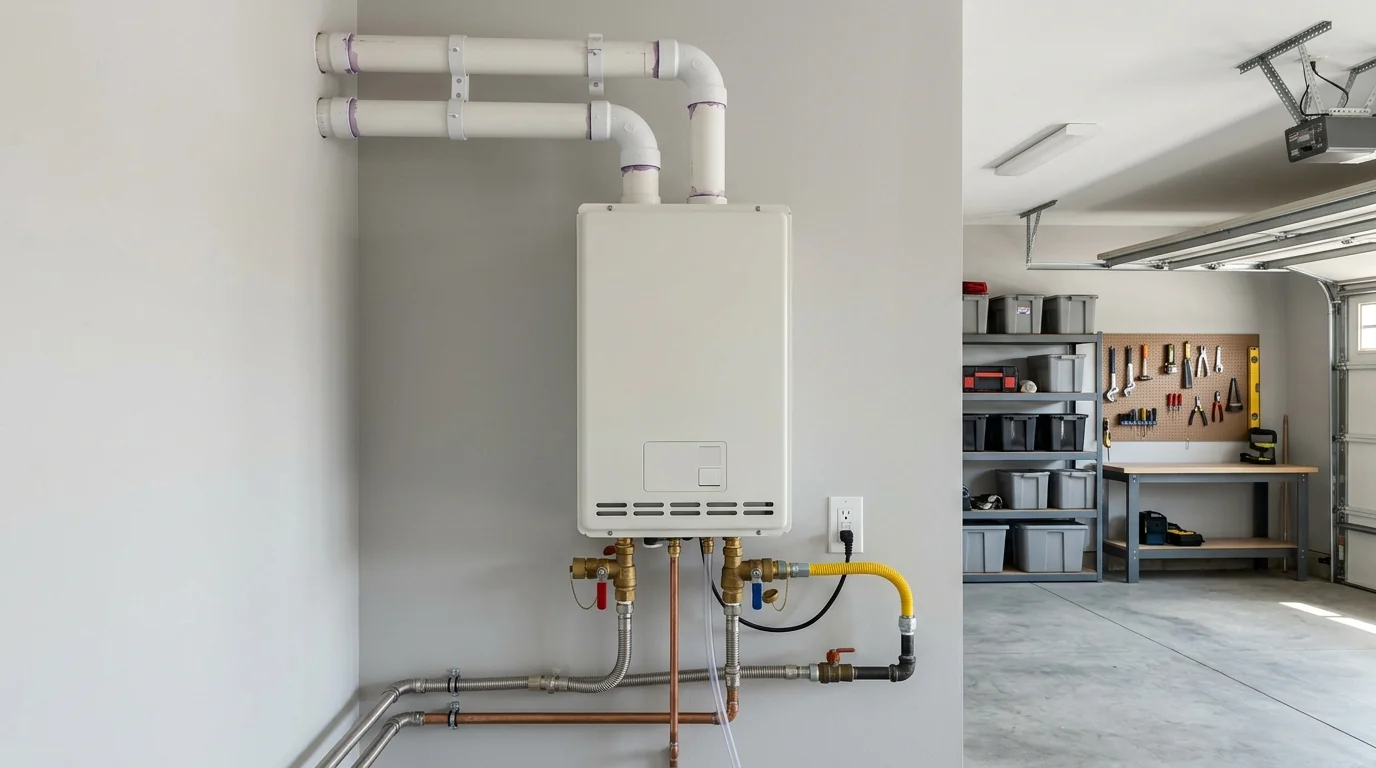
Tankless Water Heater Installation
Gas tankless water heaters sized for cold winter water, installed with the gas line, venting and condensate drain done properly.
Learn more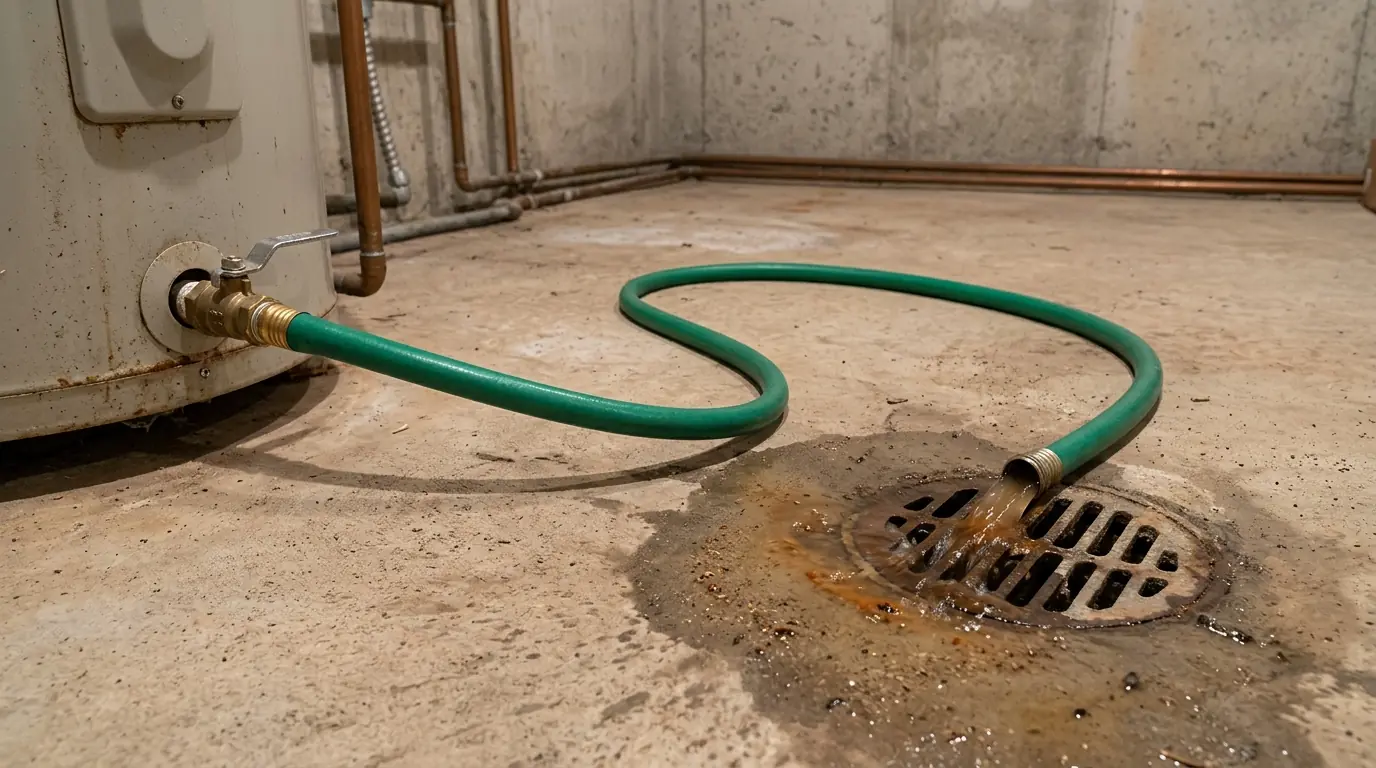
Water Heater Flush & Maintenance
Yearly tank flushing, anode rod checks and relief valve testing that keep a water heater running longer and quieter.
Learn more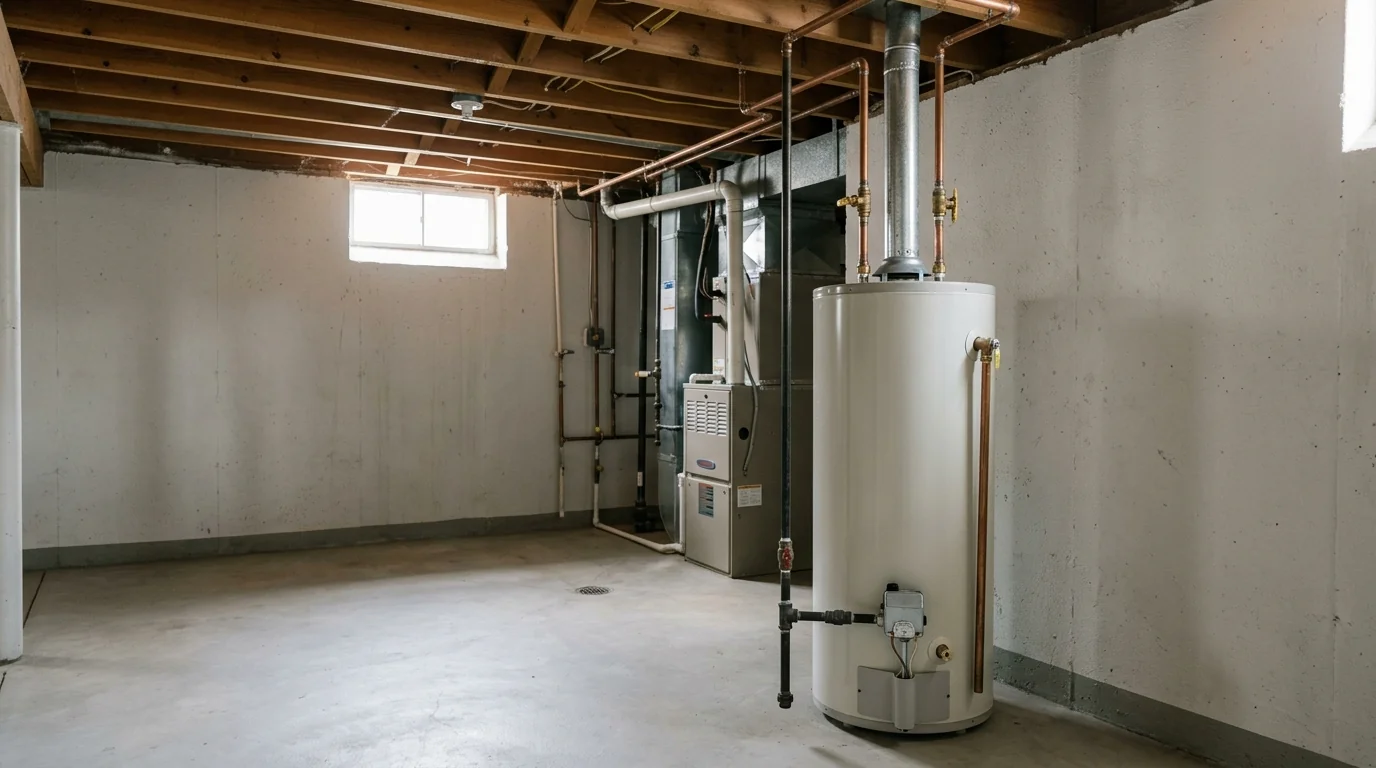
Water Heater Repair
No hot water, a leaking tank or a pilot that won't stay lit, fixed on gas and electric tank heaters.
Learn more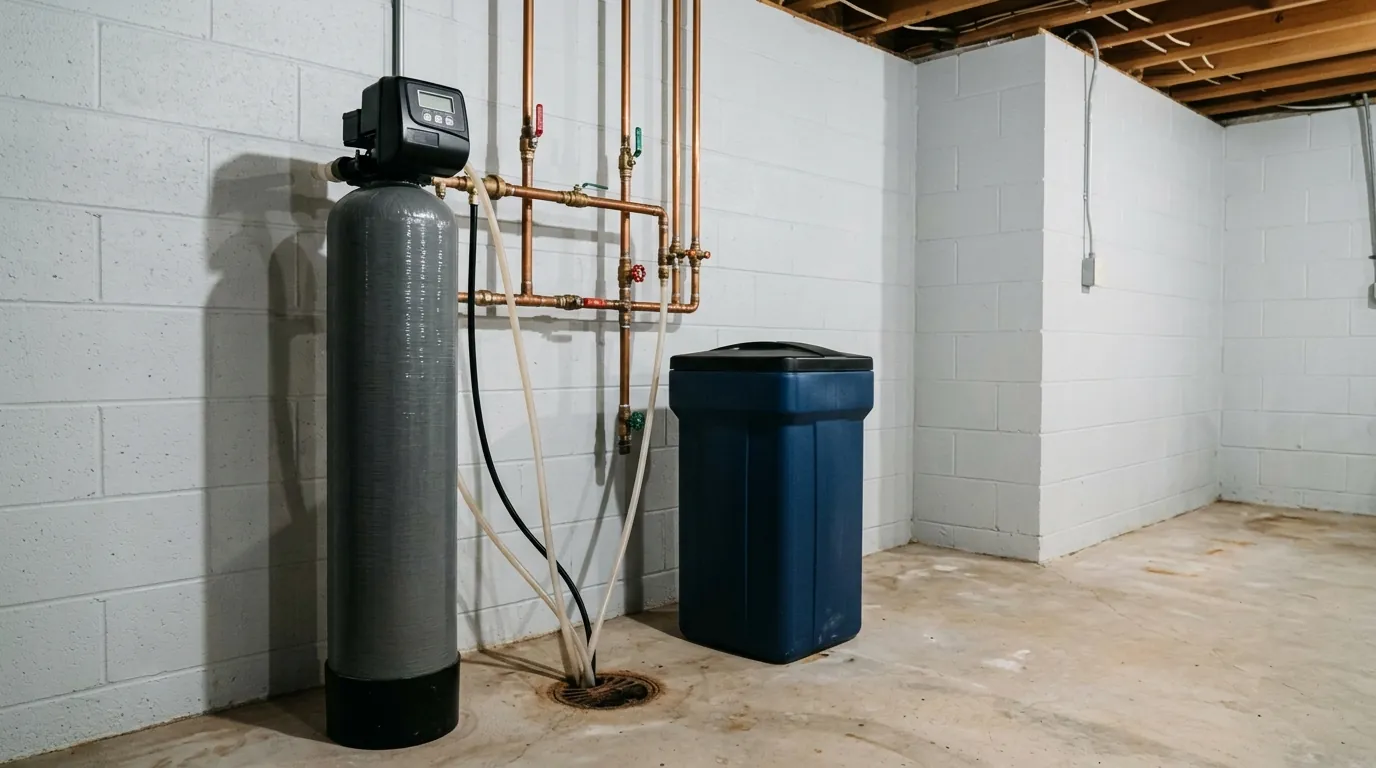
Water Softener Installation
Water softeners sized for your household, installed with a bypass, proper drain and an outdoor hose line left unsoftened.
Learn moreCoverage
Where we do tankless water heater repair around Aurora
These neighborhoods and nearby cities cover most of the households we serve. Not listed? Call and ask.
- Original Aurora, Aurora 80010
- Del Mar, Aurora 80010
- Hoffman Heights, Aurora 80011
- Aurora Hills, Aurora 80012
- Village East, Aurora 80012
- Willow Park, Aurora 80012
- Aurora Knolls, Aurora 80012
- Heather Gardens, Aurora 80014
- Aurora 80012
- Denver 80202
- Centennial 80112
- Parker 80134
- Englewood 80110
- Littleton 80120
- Greenwood Village 80111
- Lone Tree 80124
Need help with tankless water heater repair?
Call any time, day or night. A real person answers and tells you what happens next.