Leaks & pipes
Main water line repair and replacement in Aurora, CO
A leaking main water line shows up as a soggy lawn patch, a jump in your water bill or weak pressure throughout the house. We find the problem, repair it when a repair will hold, and replace the line when it won't.
SERVICE PLATE
- Service
- Main Water Line Repair & Replacement
- Typical range
- $785 to $1,950
- Area
- Aurora and the east metro
- Hours
- Answered 24/7
- Phone
- (720) 894-1012
Brands we work on every week
Your main water line is the buried pipe that carries water from the curb stop or meter into your house. When it leaks, a spot repair can work if the pipe is otherwise sound. If it is old galvanized steel, has leaked before or has been shifted by soil movement, replacing the whole run is usually the better buy, often with a trenchless pull.
Warning signs
How do you know the leak is in the buried line?
A wet spot that never dries
Grass that stays green and spongy along a straight path between the street and your house, even during a dry week, often sits right over a leaking service line.
Water bill jumps for no reason
If your usage climbs and nobody changed their habits, turn off every fixture and watch the meter. A dial that keeps moving points to a leak somewhere past the meter.
Low pressure at every fixture
When every tap in the house weakens at once, the problem is usually upstream of everything, which means the main line, the main shutoff or the pressure reducing valve.
Water seeping through the basement wall
A service line leak near the foundation can push water through the wall where the pipe enters. It often shows up as a damp patch in the utility room that keeps coming back.
Hissing at the main shutoff
A faint rushing sound near the main valve with every fixture turned off means water is moving through the pipe. We confirm it with listening equipment before anyone picks up a shovel.
Discolored water that keeps returning
Sediment after nearby street work is often temporary. Repeated rusty water, though, can come from a corroded galvanized service line breaking down from the inside.
Step by step
How a water line job runs from first call to backfill
- 01
Shut off and stabilize
If water is flooding the yard or the basement, we shut off the supply at the nearest working valve first, so the damage stops while we figure out the cause.
- 02
Locate the leak
We use a meter test, listening equipment and pipe locating tools to pin down where the line runs and where it is leaking before any digging starts.
- 03
Mark utilities and plan
We call Colorado 811, wait for the utility marks, then show you whether a spot repair, a trenchless pull or an open trench fits your yard best.
- 04
Repair or replace
We fix the damaged section or install the new line below the frost line, connect it at both ends and replace the main shutoff if it needs it.
- 05
Test, backfill and restore
We pressure test and flush the new line, check pressure inside the house, then backfill and compact the openings and leave the ground level.
Repair the break or replace the whole line?
A clean break from a fence post or a single failed fitting on otherwise healthy copper is a good candidate for a repair. We expose the leak, cut out the bad section and join new pipe with fittings rated for direct burial. The yard opening is small, the water is back on quickly, and the job is often done the same day.
Replacement wins when the pipe material is the problem. Galvanized steel corrodes from the inside and outside, and once it leaks in one spot, other spots are usually close behind. Older plastic service lines can crack at their fittings too. If we see that kind of wear when we dig, we tell you, and we price both options so you can compare them side by side.
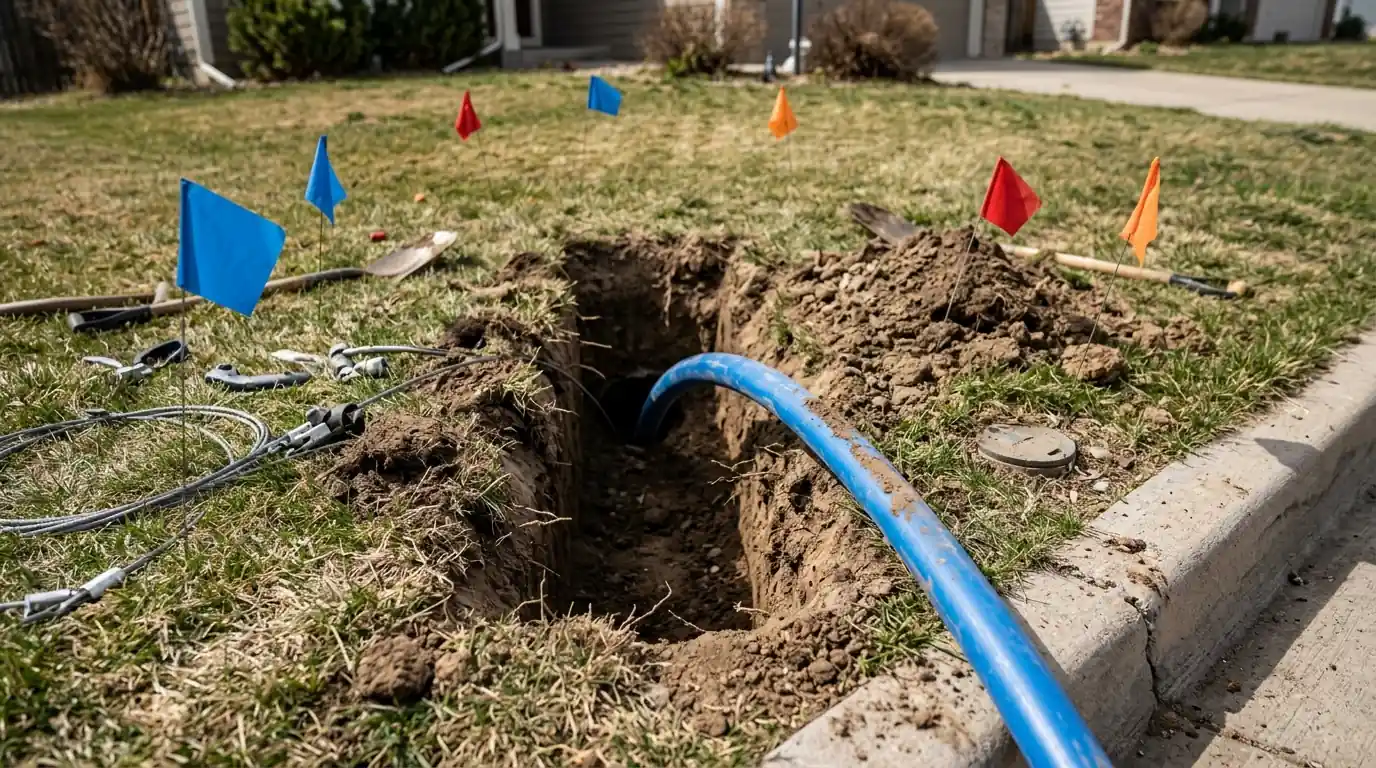
Trenchless pulls versus an open trench
For many homes we can replace the line without trenching the whole yard. We dig a small pit at the curb stop or meter and another at the foundation, then pull new pipe through the path of the old one or bore a fresh path beside it. Lawns, driveways, sprinkler lines and mature trees stay mostly intact.
An open trench still makes sense in some cases: when we need to see the whole route, when rock or other utilities block a boring path, or when the line has to be rerouted. Either way, the new pipe goes below the frost line, and we bed it in clean fill so rocks can't rub through it as the soil settles over the years.
Picking the right pipe for the buried run
Most replacement service lines we install are either heavy wall copper or polyethylene tubing made for water service. Copper is rigid and long-lived, and it stands up to accidental digging. Polyethylene is flexible, handles ground movement well and costs less. Size matters as much as material, since an undersized line can starve a house that has added bathrooms or an irrigation system.
We also look closely at where the line enters the house. A new main shutoff valve, a clean transition to the interior piping and a quick check of the pressure reducing valve all belong in the same job. Replacing the buried line and leaving a seized valve at the wall only solves half the problem, and you would be calling us again soon.
Aurora notes
Why Aurora soil and winters are hard on water lines
Front Range soils hold a lot of expansive clay that swells when it is wet and shrinks as it dries. Over the years, that movement can shift and stress buried lines, especially at fittings and where the pipe passes through the foundation wall. Older galvanized lines in Original Aurora and on the northwest side have had decades of that soil movement, plus corrosion, working against them.
Colorado law requires a call to Colorado 811 before digging, so buried gas, electric and cable lines are marked before we break ground. We make that call and wait for the marks. Aurora's sudden arctic cold fronts are the other reason depth matters. A service line laid too shallow can freeze solid in a cold snap, so every new line we install goes below the frost line and is tested before we backfill.
Pricing
Typical water line repair and replacement prices in Aurora
TYPICAL AURORA PRICE RANGES
| Spot repair of a single leak in one small opening | $785 to $1,950 |
|---|---|
| Trenchless water line replacement, typical front yard run | $3,450 to $6,850 |
| Open trench water line replacement with lawn restoration | $4,250 to $8,750 |
| New main shutoff valve at the foundation wall | $285 to $565 |
| Leak locating on a buried service line | $245 to $485 |
These ranges reflect typical Aurora jobs and are not a quote. The real price depends on where the line runs, what we find when we dig and how your yard is laid out.
- Length and depthA long run from a street meter to a house set far back costs more than a short line, and deeper lines take more digging at each access pit.
- What sits on topDriveways, sidewalks, retaining walls and mature trees can rule out a simple trench and push the job toward boring or a careful reroute.
- Soil conditionsRocky ground or heavy clay slows boring and digging. Wet clay can also need extra shoring so the pit walls stay safe while we work.
- Connections at each endOld curb stops, meter fittings and seized interior valves sometimes need replacing at the same time so the new line ties in cleanly.
Compare more jobs in our plumbing price guide.
Questions
Main Water Line Repair & Replacement questions from Aurora homeowners
How deep is the main water line in an Aurora yard?
We don't give a single number, because depth varies from house to house. Service lines are meant to run below the frost line so they don't freeze in winter. Some older lines were laid shallower than they should have been, which is one reason we check the depth whenever we expose a line.
Can a water line be replaced without digging up my whole lawn?
Often, yes. A trenchless pull or a directional bore needs only a small pit at each end, so most of the lawn, the sidewalk and the driveway stay in place. It is not possible on every property, but we check the route first and tell you plainly which method fits your yard.
How long will my water be off during a service line replacement?
Most replacements take one or two days, and the water is off during the connection work, usually several hours. We keep the outage short by running and testing the new line before we cut over from the old one. If the job spans two days, we restore water overnight whenever we can.
What should I do if water is bubbling up in my front yard?
Close the main shutoff inside the house, usually in the basement utility room or near the water heater. If the leak sits between the meter and that valve, closing it may not stop the flow. Keep people and pets off the soft ground and call us so we can isolate the line.
Will a new water line improve my water pressure?
If the old line was corroded, undersized or leaking, yes, often noticeably. A new line sized for your home restores flow at every fixture. If pressure is still off afterward, the pressure reducing valve is the next thing we check, since it controls what actually reaches your taps.
Related work
Other plumbing jobs that often go with this one
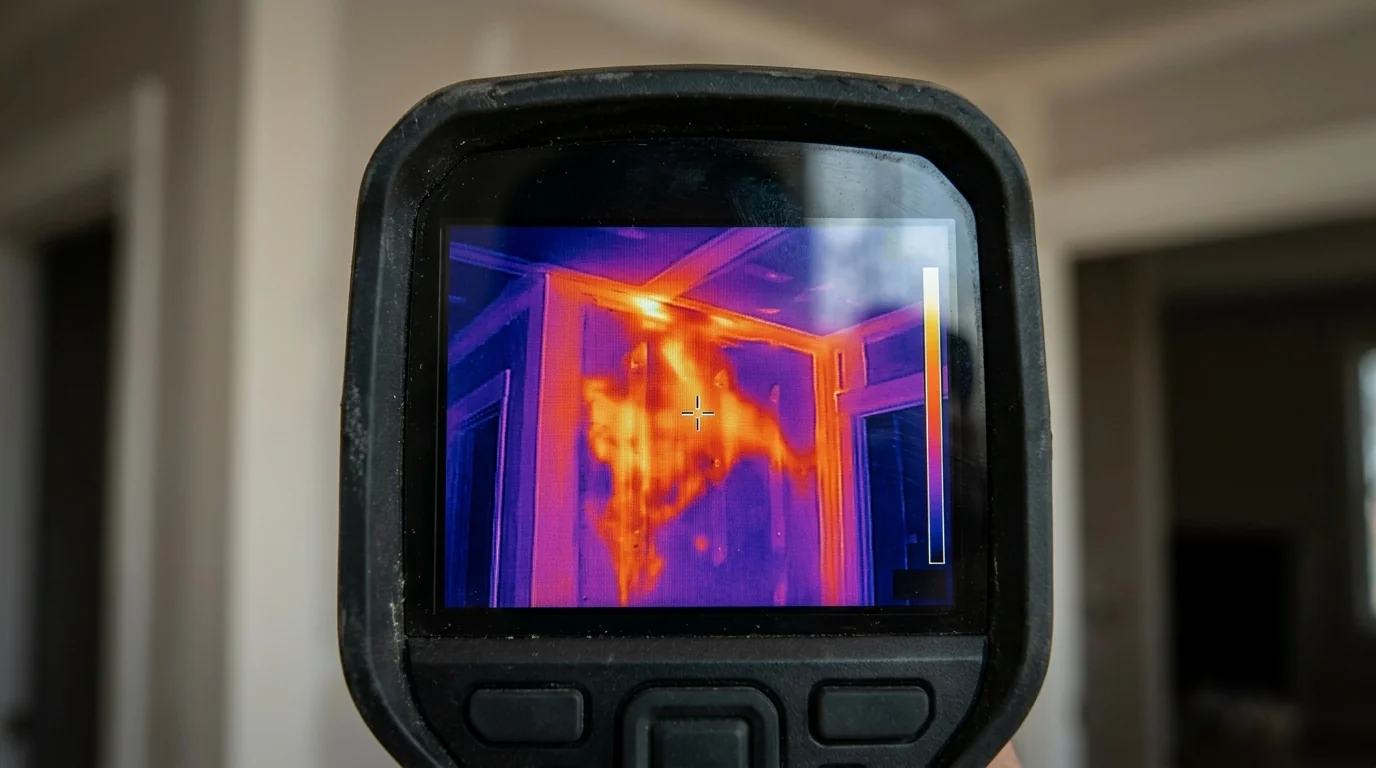
Leak Detection
Hidden water leaks pinpointed inside walls, ceilings, floors and yards with acoustic, thermal and pressure testing, with minimal opening up.
Learn more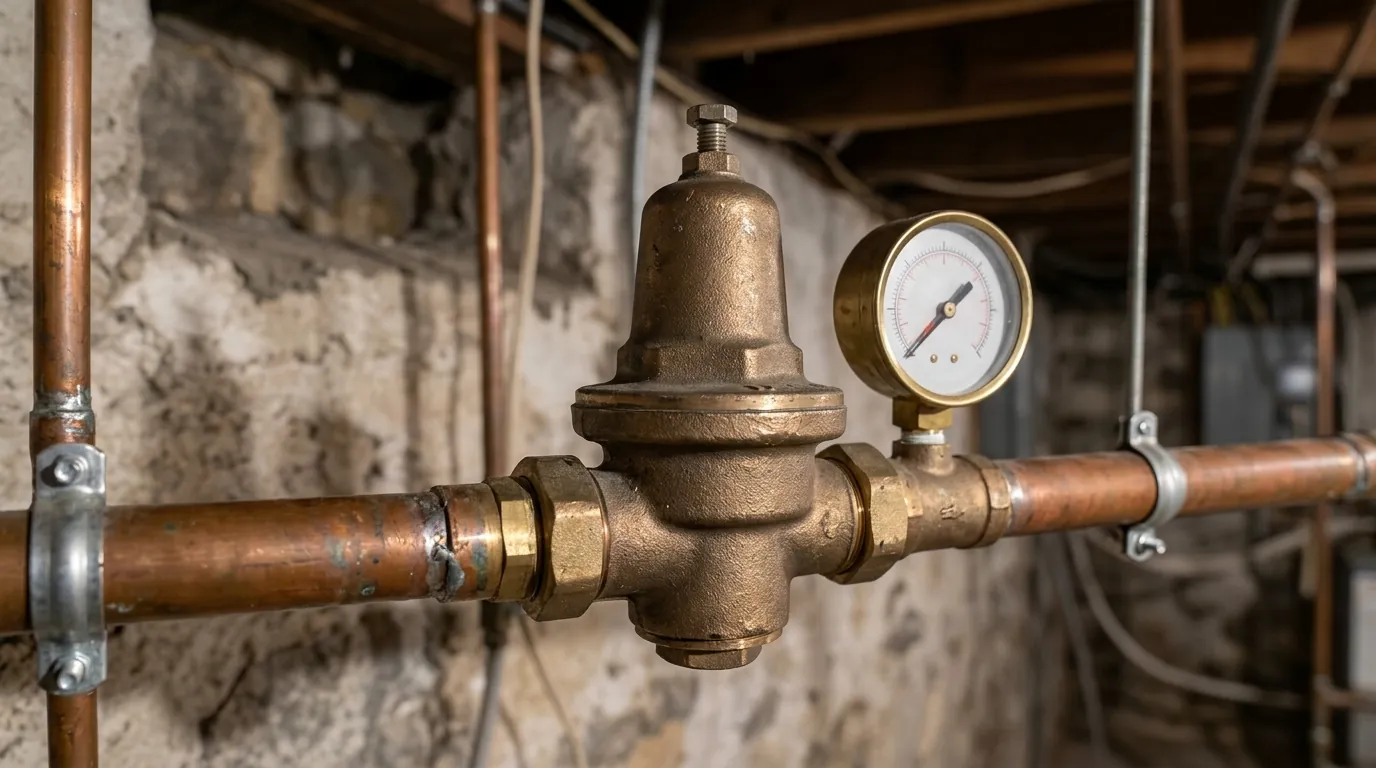
Pressure Reducing Valves
Test, adjust or replace the valve that keeps city water pressure from hammering your pipes, fixtures and water heater.
Learn more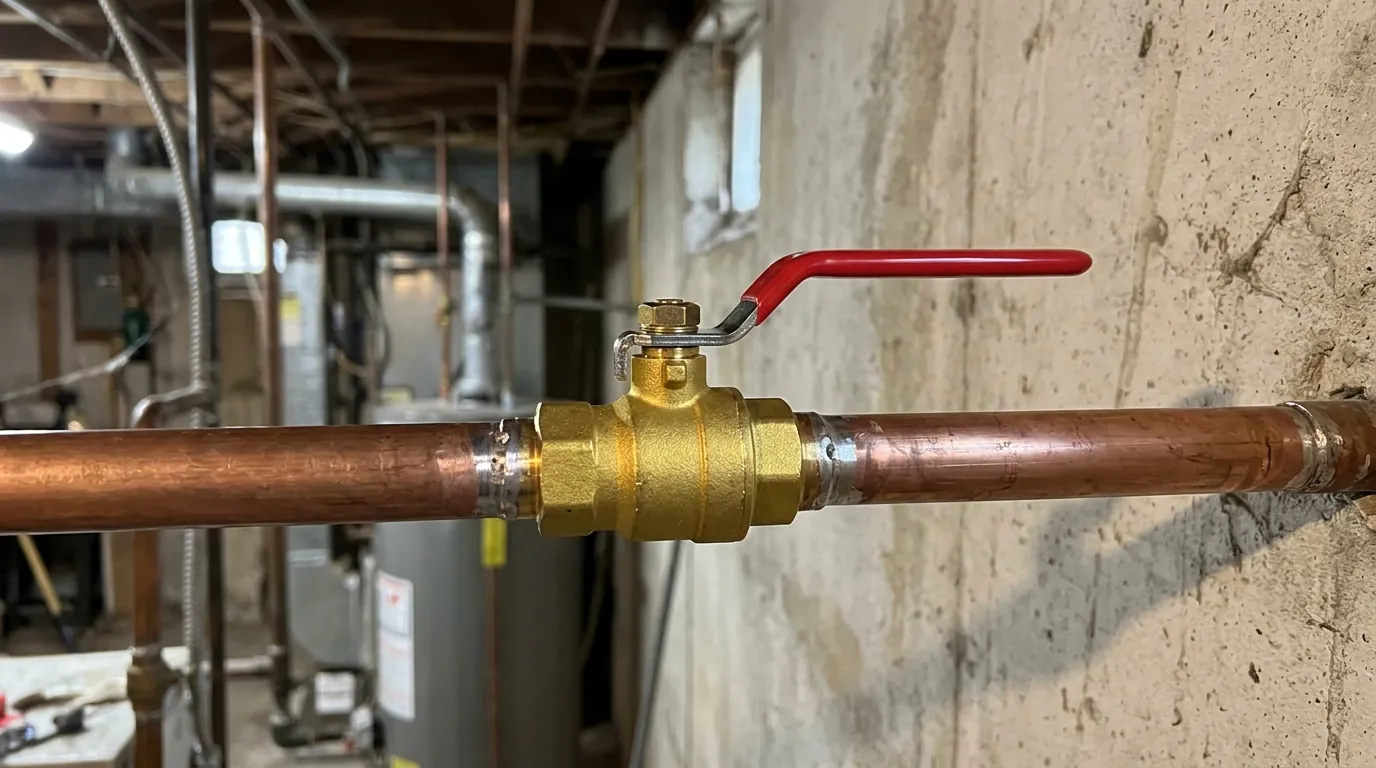
Shut-Off Valve Replacement
Swap seized gate valves and leaky fixture stops for quarter-turn ball valves you can close fast in an emergency.
Learn more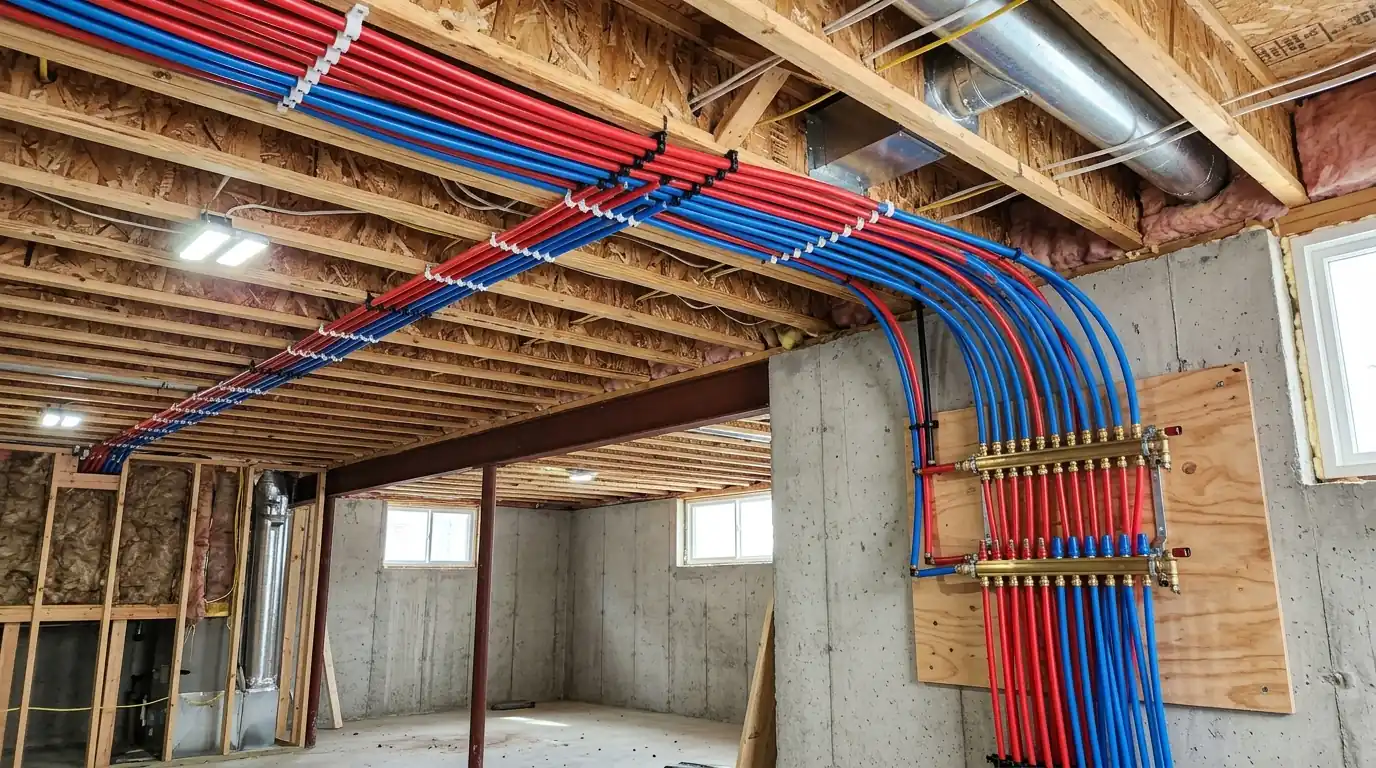
Whole-House Repiping
Replace failing galvanized, polybutylene or pinholed copper supply pipe with new PEX or copper throughout the whole house.
Learn moreCoverage
Where we do main water line repair & replacement around Aurora
These neighborhoods and nearby cities cover most of the households we serve. Not listed? Call and ask.
- Original Aurora, Aurora 80010
- Del Mar, Aurora 80010
- Hoffman Heights, Aurora 80011
- Aurora Hills, Aurora 80012
- Village East, Aurora 80012
- Willow Park, Aurora 80012
- Aurora Knolls, Aurora 80012
- Heather Gardens, Aurora 80014
- Aurora 80012
- Denver 80202
- Centennial 80112
- Parker 80134
- Englewood 80110
- Littleton 80120
- Greenwood Village 80111
- Lone Tree 80124
Need help with main water line repair & replacement?
Call any time, day or night. A real person answers and tells you what happens next.