Gas, water quality & more
Well pump and pressure tank service in Aurora, CO
No water at all on a private well usually means the pump, the pressure switch or the tank has stopped doing its job. We troubleshoot the whole system, from the breaker to the pressure tank, and repair or replace the failed part on existing wells.
SERVICE PLATE
- Service
- Well Pump & Pressure Tank Service
- Typical range
- $165 to $315
- Area
- Aurora and the east metro
- Hours
- Answered 24/7
- Phone
- (720) 894-1012
Brands we work on every week
When a private well stops delivering water, the cause is usually electrical, the pressure switch, a waterlogged pressure tank or a failed pump down the well. We test in that order, since the cheaper fixes are checked first. We service and replace pumps, tanks and controls on existing wells, while drilling new wells is a job for a well driller.
Warning signs
Well system warning signs you shouldn't ignore
No water from any faucet
Check the breaker for the well pump first. If it is on and you still have nothing, the pressure switch, control box or the pump itself may have failed.
The pump clicks on and off rapidly
Short cycling usually means the pressure tank has lost its air charge or the bladder has failed. It wears out the pump quickly and should be fixed soon.
Pressure surges and drops in the shower
Big swings between strong and weak flow can point to a failing tank, a dirty pressure switch or a pump that struggles to keep up with demand.
Air spurting from faucets
Sputtering taps can mean a falling water level, a leak in the drop pipe or a check valve problem that lets air into the system.
Higher electric bills
A pump that runs constantly because of a leak, a bad check valve or a waterlogged tank uses more power. A sudden jump in the bill is a clue.
Sand or cloudy water appearing
Sediment showing up in fixtures can mean the pump is set too low, the well is drawing harder or something is wearing inside the system.
Step by step
Steps we follow on a well service call
- 01
Get the basics on the phone
We ask about the well depth if you know it, the pump age, what you are seeing and whether the breaker has tripped, so we come prepared.
- 02
Test from the surface first
We check power, the pressure switch, the control box and the tank's air charge before considering pulling the pump out of the well.
- 03
Explain the cause and options
You hear what failed and why, with prices to repair or replace, and whether any other part is close to failing as well.
- 04
Make the repair
We replace the switch, tank, control box or pump as needed, choosing parts sized for your well and household water use.
- 05
Verify and set pressure
We run the system through several cycles, set the cut-in and cut-out pressures, check for leaks and confirm steady flow at the faucets.
Troubleshooting a well that stopped working
We start at the simplest point and work down. That means the breaker and wiring, then the pressure switch and its contacts, then the control box if the pump has one. Next comes the pressure tank, where we check the air charge and look for a failed bladder. Only after those check out do we look at the pump itself.
That order matters because pulling a submersible pump is a big job. Plenty of no water calls turn out to be a burned switch contact or a tripped overload in the control box. Testing first keeps you from paying for a new pump when a part costing far less would have brought the water back.
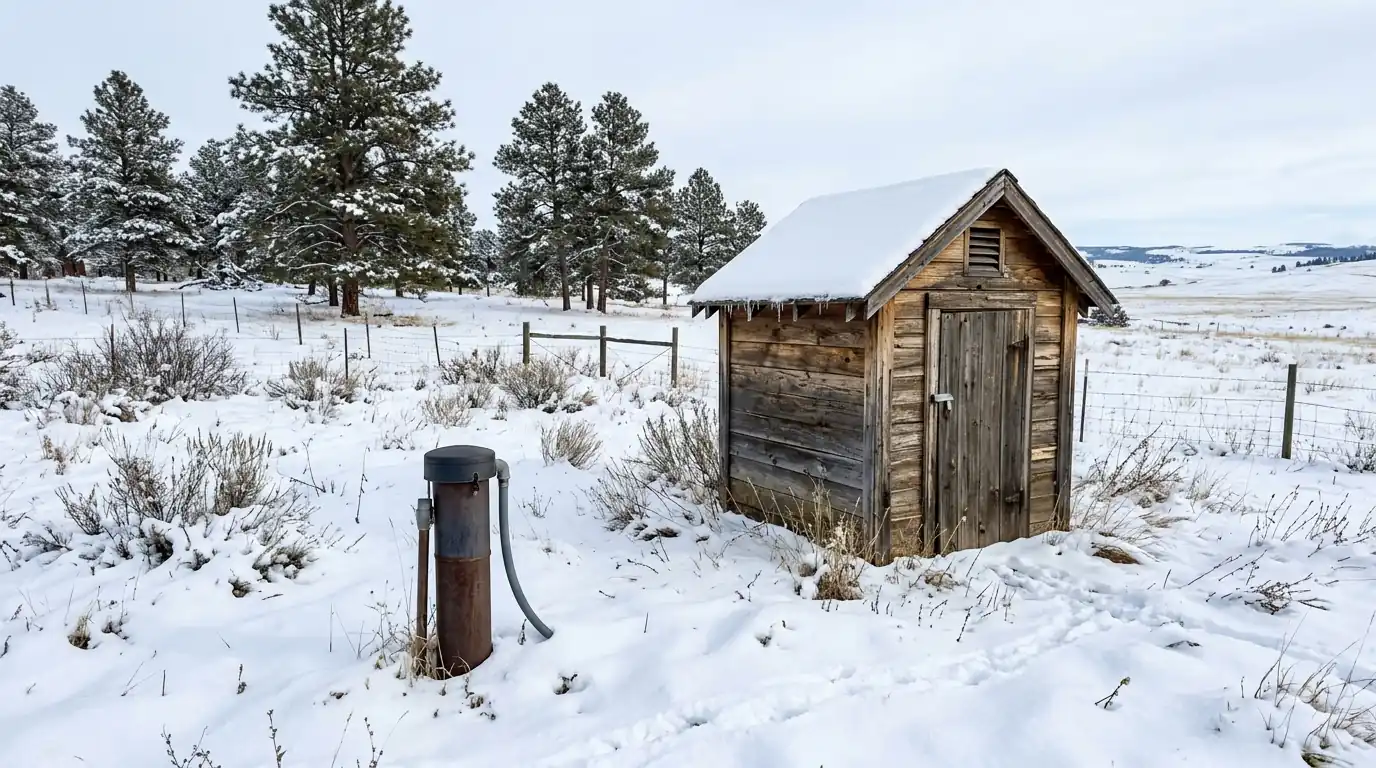
Pressure tanks and switches do most of the daily work
The pressure tank stores water under pressure so the pump doesn't start every time someone opens a faucet. Inside, a bladder or diaphragm separates water from a cushion of air. When that air charge leaks away, the tank fills with water, the pump short cycles and the switch contacts burn out faster than they should.
We test the precharge with the system drained, set it to match the switch settings and replace the tank if the bladder has failed. Switches get cleaned or replaced, and we check for a working pressure gauge so you can watch the system yourself. Small items like a failed tank tee gauge or a clogged switch port cause a surprising number of calls.
Pump repair or replacement on existing wells
When the pump has truly failed, we pull it, inspect the wire, drop pipe and check valves, and replace what is worn. We match the new pump to the well's depth, yield and household demand so it isn't oversized for the water available. Many homeowners also add a constant pressure controller during replacement for steadier flow.
We do not drill wells or deepen them. If the well itself is dry, collapsed or producing too little water for the home, that is a job for a well driller, and we tell you so plainly. Our work covers the pump, wiring, tank, switch, piping and controls on wells that are already in place.
Aurora notes
Serving private wells south and east of Aurora
Most of Aurora runs on city water from Aurora Water, but rural parts of Douglas and Elbert counties are a different story. Around Franktown, Elizabeth and the outskirts of Parker, many homes rely on private wells and septic systems. Our headquarters is in Franktown, so well calls in that part of the metro are close to home, and we know how far apart some of those properties can be.
Winter adds its own risks out there. Sudden arctic cold fronts can freeze an exposed pressure switch line, a tank in an unheated pump house or the piping in an outbuilding. Insulation, a small heat source in the pump house and heat cable on exposed lines help a lot. If the water stops on a frigid morning, check for frozen lines before assuming the pump died.
Pricing
Well pump and pressure tank costs for rural homes
TYPICAL AURORA PRICE RANGES
| Well system troubleshooting visit | $165 to $315 |
|---|---|
| Pressure switch replacement | $185 to $365 |
| Pressure tank replacement | $865 to $1,745 |
| Submersible pump control box replacement | $345 to $685 |
| Submersible well pump replacement | $1,965 to $4,385 |
| Constant pressure controller added at pump replacement | $1,185 to $2,265 |
These are ranges we commonly see on rural properties near Aurora, not a quote. What you pay depends on the well and what we find when we test it.
- Pump depthDeeper wells need more wire, more drop pipe and more time to pull and reset the pump, which raises the cost of pump work.
- Pump type and sizeHorsepower, voltage and whether the pump uses a control box or a constant pressure drive all change the equipment price.
- Tank sizeLarger pressure tanks cost more but reduce pump cycling. Moving a tank out of an awkward spot can add piping work.
- Distance and accessRemote properties, snowed in pump houses or a well head buried under landscaping take longer to reach and work on.
Compare more jobs in our plumbing price guide.
Questions
Well Pump & Pressure Tank Service questions from Aurora homeowners
Why is my well pump short cycling every few seconds?
The most common cause is a pressure tank that has lost its air charge or has a ruptured bladder. Without that air cushion, the pump starts and stops every time water moves. A clogged pressure switch port or a leaking check valve can also cause it. We test the tank first because it is the usual culprit.
Do you drill new wells in Franktown or Elizabeth?
No. We service and replace pumps, pressure tanks, switches, control boxes and piping on existing wells. Drilling, deepening or rehabilitating the well itself is done by well drilling companies. If a well is dry or failing, we explain what we found so you know what to ask the driller.
How long does a submersible well pump usually last?
Many last a decade or more, depending on water quality, how hard the pump works and whether the pressure tank is in good shape. Short cycling, sand and frequent power interruptions shorten that life. Keeping the tank properly charged is one of the easiest ways to protect the pump.
What pressure should my well system be set to?
Many homes run with switch settings in the range the pump and tank manufacturers recommend for residential use, with the tank precharge set slightly below the cut-in pressure. The right numbers depend on your equipment. We set and record them during service so you know what normal looks like on your gauge.
How can I keep my pump house from freezing?
Insulate the walls and any exposed pipe, seal drafts, and add a thermostatically controlled heat source rated for the space. Heat cable on exposed lines adds protection. Check it before the first hard freeze each fall, since a frozen pressure switch line can stop water just like a failed pump.
Related work
Other plumbing jobs that often go with this one
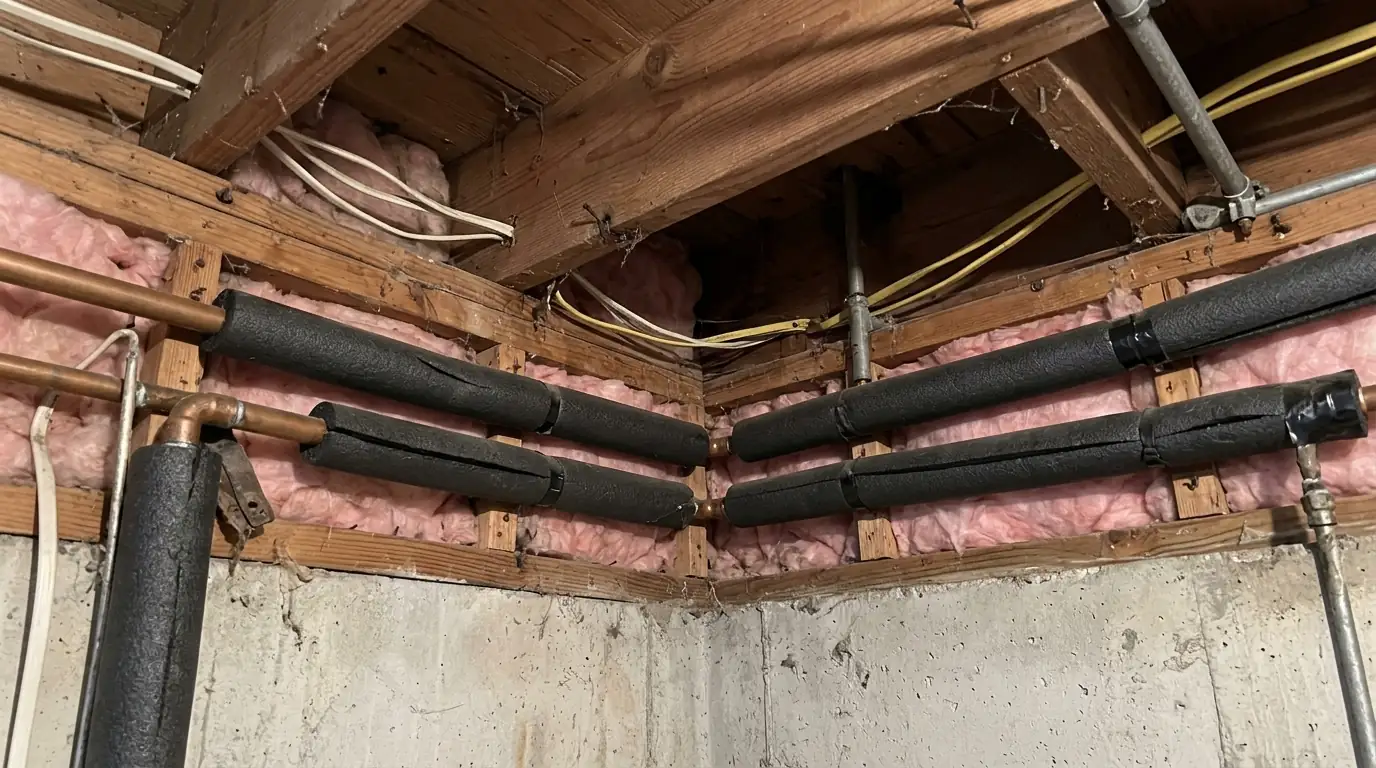
Pipe Freeze Protection
Pipe insulation, heat cable, rerouting and winter shutdown plans that keep water lines from freezing in deep cold.
Learn more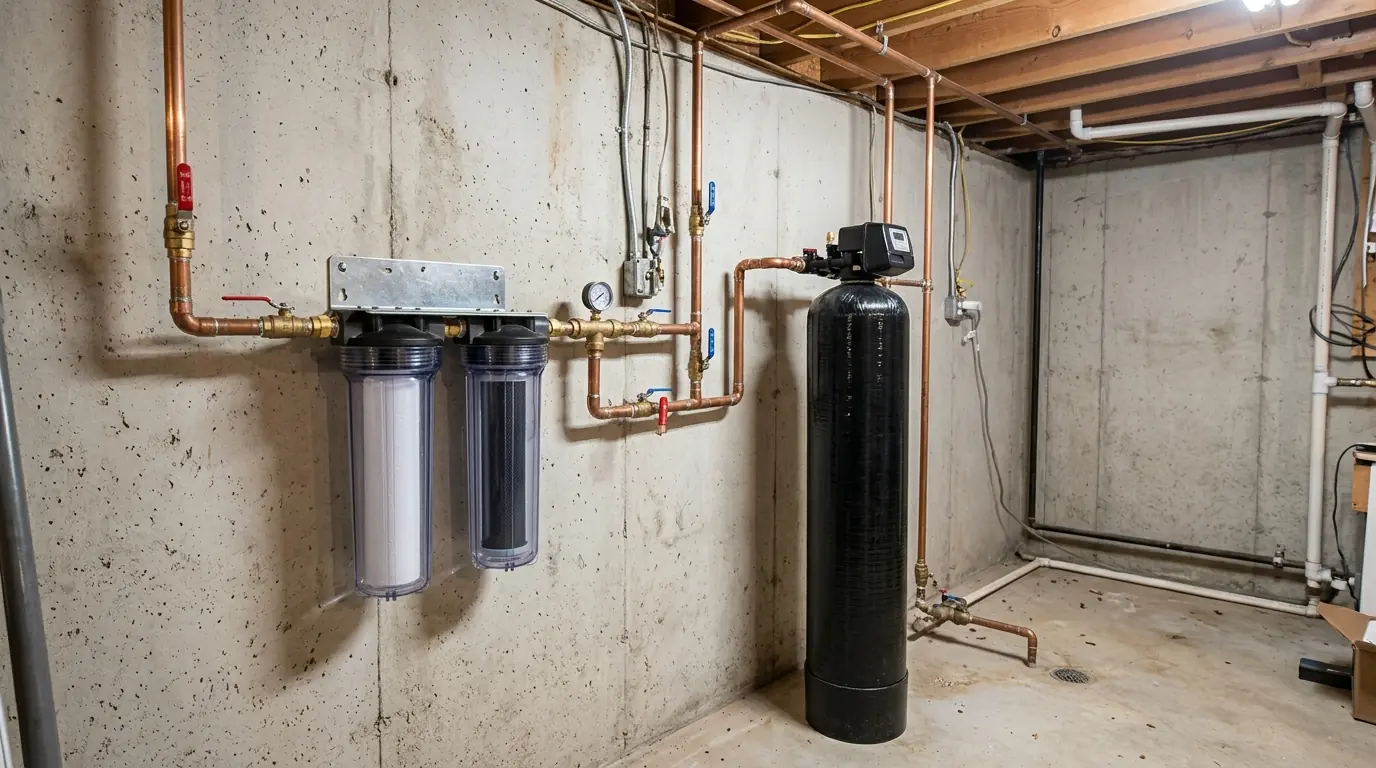
Whole-House Water Filtration
Whole-house carbon, sediment and combination filters installed at the main line, plus under-sink reverse osmosis for drinking water.
Learn more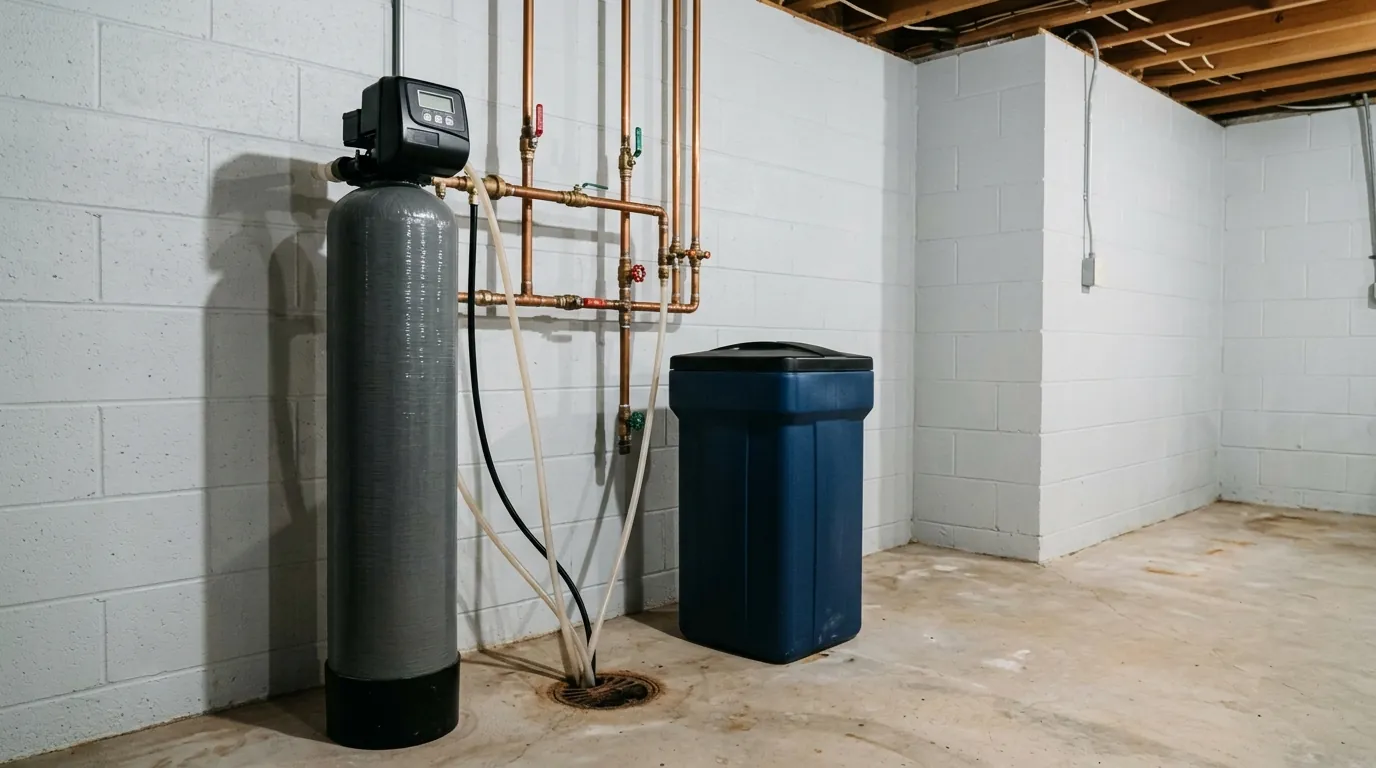
Water Softener Installation
Water softeners sized for your household, installed with a bypass, proper drain and an outdoor hose line left unsoftened.
Learn more
Emergency Plumber
Burst pipes, sewage backups, overflowing toilets and no water at night, handled 24/7 across Aurora and the east metro.
Learn moreCoverage
Where we do well pump & pressure tank service around Aurora
These neighborhoods and nearby cities cover most of the households we serve. Not listed? Call and ask.
- Original Aurora, Aurora 80010
- Del Mar, Aurora 80010
- Hoffman Heights, Aurora 80011
- Aurora Hills, Aurora 80012
- Village East, Aurora 80012
- Willow Park, Aurora 80012
- Aurora Knolls, Aurora 80012
- Heather Gardens, Aurora 80014
- Aurora 80012
- Denver 80202
- Centennial 80112
- Parker 80134
- Englewood 80110
- Littleton 80120
- Greenwood Village 80111
- Lone Tree 80124
Need help with well pump & pressure tank service?
Call any time, day or night. A real person answers and tells you what happens next.