Drains & sewer
Sewer camera inspection in Aurora, CO
You can't fix a sewer line you can't see, and guessing usually costs more than looking. Our camera travels the full lateral, records the pipe's condition and shows exactly where any trouble sits, so repair choices start with facts.
SERVICE PLATE
- Service
- Sewer Camera Inspection
- Typical range
- $185 to $345
- Area
- Aurora and the east metro
- Hours
- Answered 24/7
- Phone
- (720) 894-1012
Brands we work on every week
A sewer camera inspection runs a waterproof camera on a flexible cable through your main line to the city main. It shows the pipe material, roots, cracks, offsets, sags and blockages, and a locator marks the depth and spot of any problem from above. You get the recorded video and a plain explanation of what it shows.
What the camera can show you that nothing else can
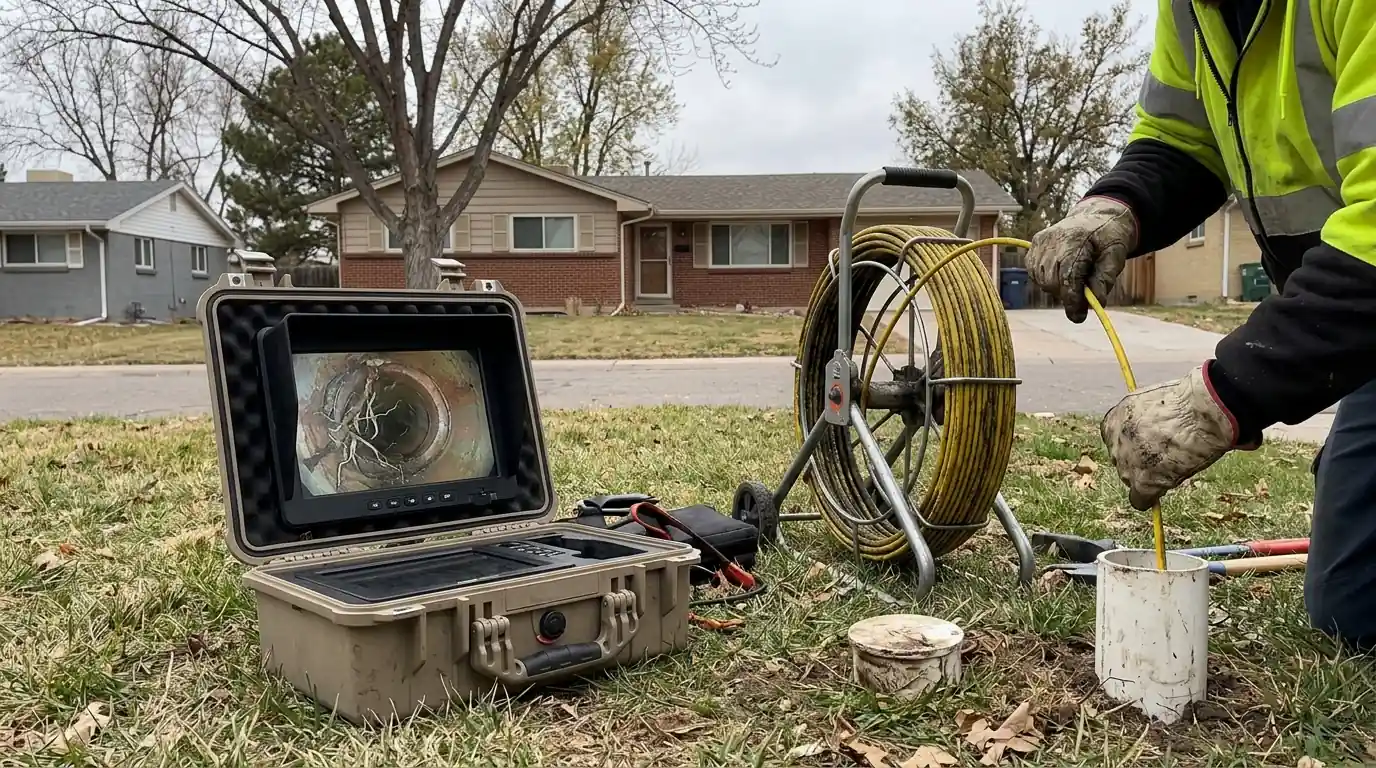
The camera head is lit and waterproof, and it travels on a semi-rigid push cable through the line. On the monitor we can see the pipe material change from cast iron to clay or PVC, roots poking through joints, cracks, holes, offset sections and low spots where water sits. A counter on the cable tells us how far each issue is from the access point.
Inside the camera head, a small transmitter sends a signal to a handheld locator above ground. That lets us mark the exact spot and depth of a problem on your lawn or driveway. If a repair is ever needed, those marks keep excavation small and focused instead of digging up half the yard to find it.
How to read what you see on the screen
Clean pipe looks like a smooth tunnel with tight, even joints. Roots show up as hair or fibrous clumps at the joints. A crack appears as a dark line in the pipe wall, and an offset looks like a step where one section has shifted. Standing water across the bottom of the pipe usually means a belly, a sag where the line dips.
We narrate while we film and pause on anything important, so you aren't left guessing. Not every defect needs fixing today. A hairline crack in solid pipe can be watched, while a broken section letting in soil needs action. We sort what we see into what's urgent, what to monitor and what is fine.
Why a camera inspection before buying a home is smart money
The sewer line from your house to the city main is generally the homeowner's responsibility, and replacing one can cost more than many people budget for a new roof. A camera run during the inspection period costs a small fraction of that and gives you footage you can share with the seller and your agent.
If we find a serious problem, you can ask for a repair, a credit or a price adjustment before closing. If the line looks good, you move in knowing one big expense is off the list. Either way, you have video on file for future reference, which is useful if trouble ever appears down the road.
Warning signs
Good reasons to put a camera in your sewer line
You are buying an older home
A standard home inspection usually does not look inside the sewer lateral. A camera run before closing shows whether you're inheriting cracked clay or rusted cast iron.
Backups keep coming back
If cleaning works for a few months and then the line stops again, something structural is likely holding debris. The camera shows what it is and where.
Trees grow near the sewer path
Large trees between the house and street often send roots into old joints. A camera shows how far roots have spread before they cause a full blockage.
You see a soggy patch in the yard
A wet or sunken spot over the sewer path can mean a broken pipe leaking into the soil. The camera confirms the break and the locator pinpoints it.
You are planning a remodel
Adding a bathroom or finishing a basement puts more load on the sewer line. Checking the lateral first avoids tearing up a new floor later.
A repair quote seems too big
If someone quoted a full replacement, seeing the video yourself helps you decide whether a spot repair or lining could do the job instead.
Aurora notes
What our cameras tend to find under Aurora homes
In Original Aurora and the northwest neighborhoods, many sewer laterals are clay or cast iron from the 1940s and 1950s. On camera we often see roots at clay joints, rough scale and thin spots in cast iron, and sections where the original pipe meets a later PVC repair. Central Aurora's 1960s and 1970s homes commonly show cast iron with decades of corrosion that may still be serviceable or may be near the end.
Expansive clay soil across the Front Range swells and shrinks with moisture, and over the years that can shift buried pipe. We often find offset joints and bellies that trace back to soil movement rather than poor installation. Even newer PVC laterals in southeast and northeast Aurora can show sags or separated joints after years of seasonal ground movement, so newer homes aren't automatically in the clear.
Step by step
From access point to recorded video, step by step
- 01
We find an access point
A cleanout is ideal. Without one we can go through a toilet flange or roof vent. We'll mention if adding a cleanout would make future service easier.
- 02
We clear the line if needed
A camera can't see through standing water or a blockage. If the line is stopped, we clean it first so the footage is useful.
- 03
We run the camera to the main
We push the camera through the full lateral, pausing at every joint and defect so you can see clearly what is inside.
- 04
We locate and mark problems
Using the locator, we mark the depth and position of any defect on the ground above it, with distance from the house noted.
- 05
You get the video and our notes
We send you the recording and walk you through what it shows, with any repair options and rough costs if something needs fixing.
Pricing
Sewer camera inspection pricing in Aurora
TYPICAL AURORA PRICE RANGES
| Camera inspection through an accessible cleanout | $185 to $345 |
|---|---|
| Camera inspection with toilet pull access | $265 to $445 |
| Pre-purchase sewer scope with recorded video | $215 to $385 |
| Camera inspection plus problem location and marking | $245 to $435 |
| Line clearing followed by camera inspection | $415 to $765 |
These are typical ranges in Aurora, not a quote. Your price depends on access, whether the line is clear, and what we find along the way.
- AccessA cleanout makes for a quick setup. Pulling a toilet or working from the roof adds time and a reseal of the toilet afterward.
- Line conditionA clear line is easy to film. A blocked line needs cleaning first, which adds to the visit but produces a usable recording.
- Length of the lateralLonger runs take more cable and time, especially when the main sits across a wide street or deep in an alley.
- Locating needsMarking defects for a future repair adds a few minutes per spot and gives any repair crew precise digging points.
Compare more jobs in our plumbing price guide.
Questions
Sewer Camera Inspection questions from Aurora homeowners
Should I get a sewer scope before buying a house in Aurora?
We recommend it for nearly every resale home, and especially for older houses in Original Aurora and central Aurora with clay or cast iron laterals. A scope costs far less than a sewer repair, and the footage gives you solid grounds to ask for repairs or credits before closing.
Can a sewer camera see through standing water or a clog?
Not well. The camera needs a mostly clear pipe to show cracks and joints. If the line is blocked or holding water, we clean it first, then run the camera. That gives you useful footage instead of murky video that hides the actual problem.
How deep is my sewer line, and can the camera tell?
Yes. A transmitter in the camera head sends a signal up to a handheld locator, which reads the approximate depth and position at any point along the line. We mark those spots on the ground, which helps plan a repair and avoid unnecessary digging.
Do I get to keep the sewer inspection video?
You do. We send you the recording along with our notes on what we saw and where. Keep it with your home records. If a problem appears years later, comparing old and new footage shows how the pipe has changed over time.
What does a belly in a sewer line mean on camera?
A belly is a low spot where the pipe has sagged, often from shifting soil. On camera it looks like a pool of water sitting across the pipe floor. Small bellies may only need monitoring. Deep ones collect solids and cause repeat clogs, so they usually need a section repaired.
Related work
Other plumbing jobs that often go with this one
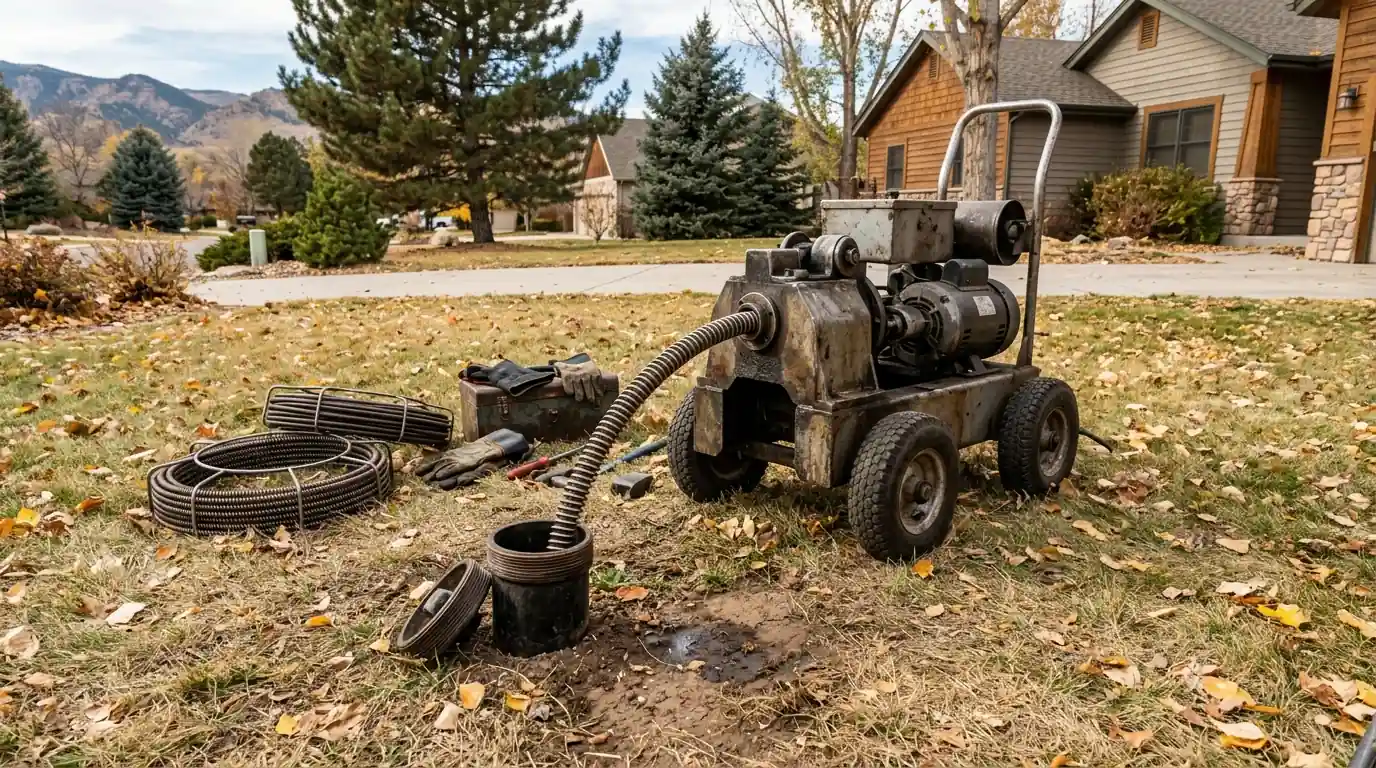
Main Sewer Line Cleaning
Backups at the lowest drain, tree roots and buildup cleared from the main lateral between your house and the city main.
Learn more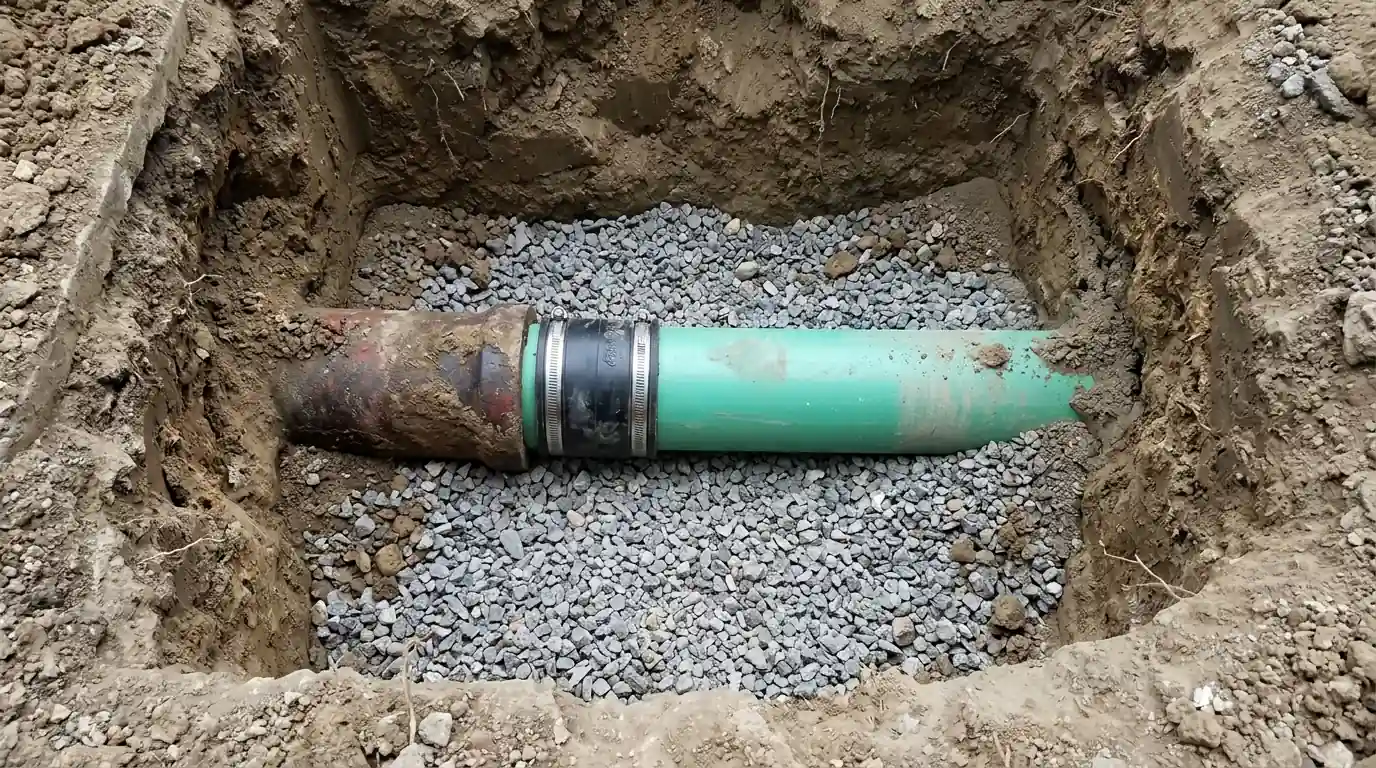
Sewer Line Repair
A cracked, offset or sagging section of sewer pipe dug up and replaced on its own, without redoing the whole line.
Learn more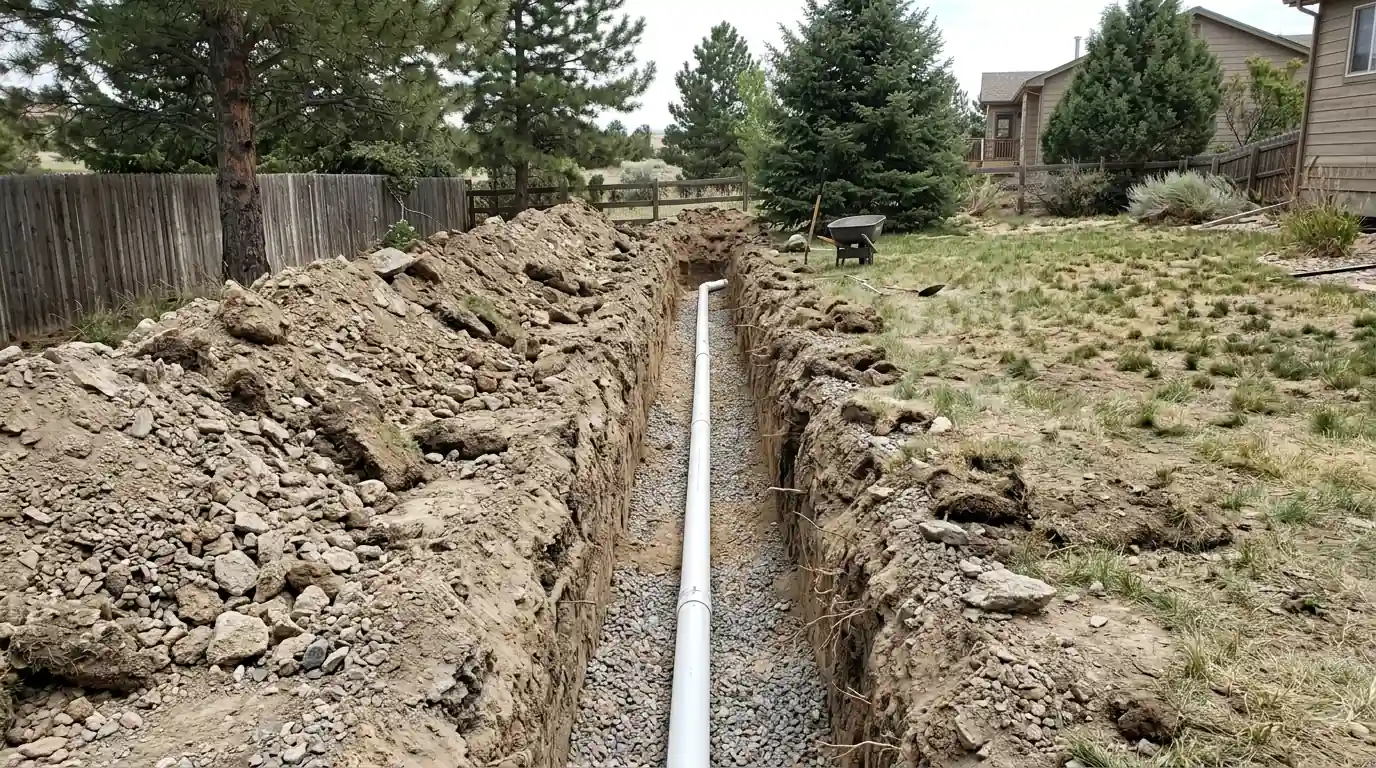
Sewer Line Replacement
Worn out clay, cast iron or Orangeburg laterals replaced end to end, by open trench or trenchless method.
Learn more
Whole-Home Plumbing Inspection
A top-to-bottom plumbing checkup for buyers, sellers and owners: pipes, drains, water heater, valves, pressure and fixtures.
Learn moreCoverage
Where we do sewer camera inspection around Aurora
These neighborhoods and nearby cities cover most of the households we serve. Not listed? Call and ask.
- Original Aurora, Aurora 80010
- Del Mar, Aurora 80010
- Hoffman Heights, Aurora 80011
- Aurora Hills, Aurora 80012
- Village East, Aurora 80012
- Willow Park, Aurora 80012
- Aurora Knolls, Aurora 80012
- Heather Gardens, Aurora 80014
- Aurora 80012
- Denver 80202
- Centennial 80112
- Parker 80134
- Englewood 80110
- Littleton 80120
- Greenwood Village 80111
- Lone Tree 80124
Need help with sewer camera inspection?
Call any time, day or night. A real person answers and tells you what happens next.