Water heaters
Water heater installation in Aurora, CO
An old water heater rarely gives notice before it fails, and replacing one in a hurry means taking whatever fits. We help you pick the right size and fuel, then install it with the venting, piping and permit handled properly.
SERVICE PLATE
- Service
- Water Heater Installation
- Typical range
- $1,485 to $2,265
- Area
- Aurora and the east metro
- Hours
- Answered 24/7
- Phone
- (720) 894-1012
Brands we work on every week
A standard tank replacement in Aurora usually takes three to five hours and costs roughly $1,485 to $2,545, depending on size and fuel. We match capacity to how many people shower in the morning, set gas units up for the altitude, pull the permit and bring the connections up to current code before we leave.
Choosing the right size and fuel for your household
Capacity comes first. A 40 gallon gas tank suits most homes with one or two bathrooms, while a family of four or five with two showers running at once usually does better with a 50 gallon unit. We also look at the first-hour rating on the label, which tells you how much hot water the heater can deliver in a busy hour, not just how much it stores.
Fuel is the second decision. If your home already has a gas line and a vent at the heater, a gas tank usually costs less to run. Electric tanks make sense in homes without gas or where venting is a problem, and heat pump water heaters are an option for spaces with room to breathe. We lay out the running cost difference so you can compare them side by side.
What a code-ready installation includes
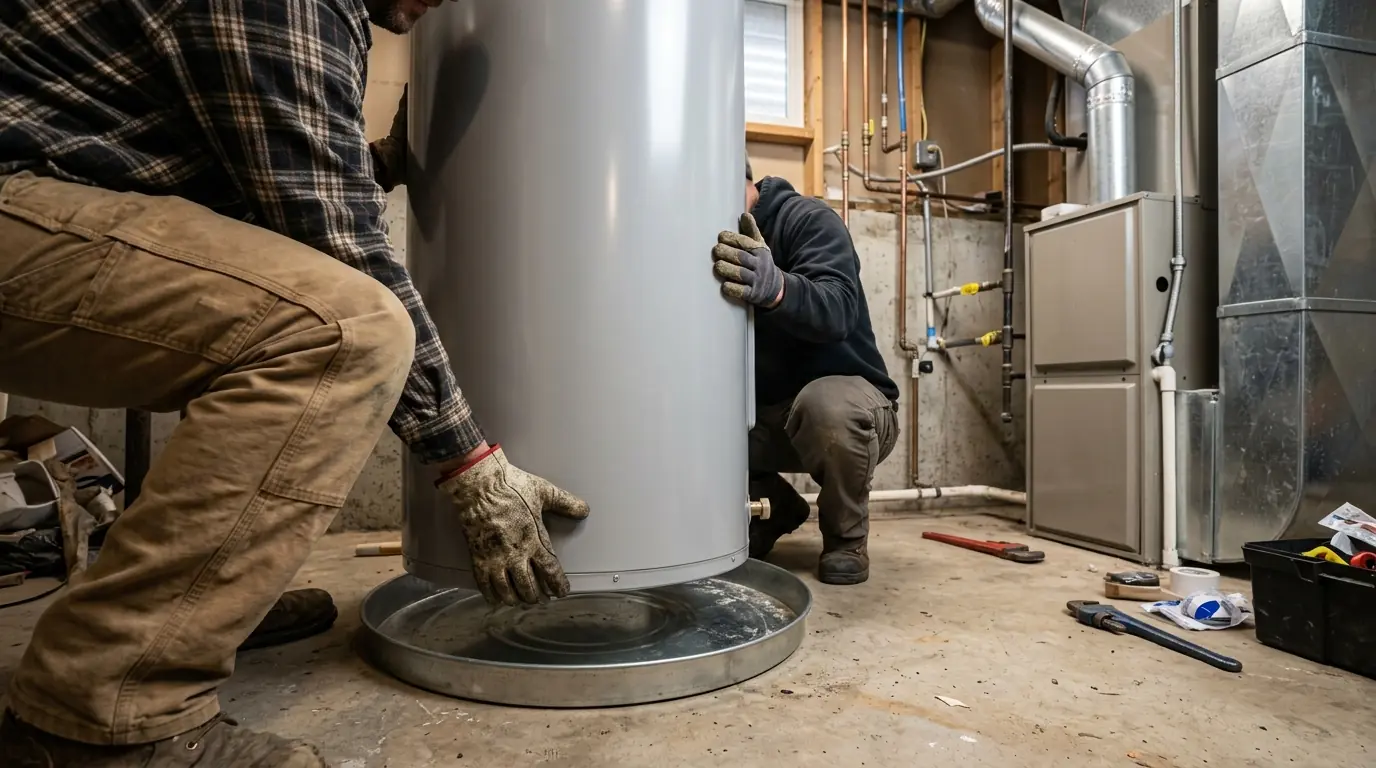
Swapping the tank is the easy part. A proper install also covers the temperature and pressure relief valve discharge line, a drain pan where a leak would damage finished space, a sediment trap on the gas line, an approved transition at the water connections and a working shutoff on the cold side. We check each one rather than reusing whatever happened to be there.
On closed plumbing systems, a thermal expansion tank is usually needed to absorb the pressure that builds as water heats. We size it to the heater and your water pressure. Gas units also get a combustion air check and a draft test, because a new heater on an old, undersized vent can spill exhaust into the room where your family spends time.
Can a new heater go somewhere other than the old spot?
Yes, though it changes the scope. Moving a heater from a cramped basement closet to the garage, or from a finished room to an unfinished one, means extending water lines, gas piping and venting. We price that work separately, so you can see exactly what the relocation costs on its own before you commit to it.
Sometimes a move solves real problems: an old heater tucked under the stairs with no drain nearby, or a closet too tight for a modern tank, which tends to be wider and taller because of extra insulation. If the new unit will not fit the old footprint, we tell you before installation day, not halfway through the job.
Pricing
How much does a new water heater cost in Aurora?
TYPICAL AURORA PRICE RANGES
| 40 gallon gas tank replacement, installed | $1,485 to $2,265 |
|---|---|
| 50 gallon gas tank replacement, installed | $1,685 to $2,545 |
| 50 gallon electric tank replacement, installed | $1,345 to $2,185 |
| Power-vent gas water heater, installed | $2,385 to $3,465 |
| Relocating a heater to a new spot | $685 to $1,865 |
| Code updates such as a pan, expansion tank and gas trap | $185 to $485 |
These ranges reflect typical Aurora installs and are not a quote. Your price depends on the heater you choose and what we find at your current setup.
- Tank size and typeA larger tank, a high-recovery model or a power-vent unit costs more than a standard atmospheric gas heater, both for the equipment itself and the labor to install it.
- Venting conditionIf the existing flue is damaged, undersized or shared with a new furnace, it may need new pipe or a liner before the heater can run safely.
- Location and accessA heater in an open basement is quicker to replace than one in an attic, a tight closet or a crawlspace that needs extra hands to move.
- Permit and haul-awayOur installation prices include pulling the permit and disposing of the old tank, so those items do not show up later as surprise charges.
Compare more jobs in our plumbing price guide.
Step by step
From the first phone call to hot water at the tap
- 01
We size it over the phone
Tell us what the current heater's label says, how many people live in the house and what bothers you about the old one. That is usually enough to recommend a size and give a price range.
- 02
We confirm the details on site
We measure the space, check the gas line, vent and water connections, and point out anything that needs updating so the final price holds no surprises for you.
- 03
We remove the old tank
The water and fuel are shut off, the tank is drained to the floor drain or outside, and the old heater is carried out and hauled away for disposal.
- 04
We set and connect the new heater
The new unit goes in level on a pan or stand as needed, with new connectors, a relief valve line, a gas sediment trap and an expansion tank where required.
- 05
We fire it up and test
We fill the tank, purge air from the lines, light or power the unit, run a draft test, check for leaks and set the temperature before showing you the controls.
Warning signs
Is it time to replace your water heater instead of fixing it?
The tank is past ten years old
Most tank heaters last about eight to twelve years with hard water. Once yours passes ten, each repair buys less time, and planning a replacement beats an emergency swap on a cold weekend.
Rust streaks on the jacket or fittings
Orange stains around the inlet and outlet nipples or along the bottom of the jacket mean corrosion is working through the steel. A tank in that condition can let go without much warning.
Your family outgrew the tank
A 40 gallon heater that worked fine for two people falls short once you add teenagers, a soaking tub or back to back showers. Upsizing or moving to a high-recovery unit fixes it.
Repairs keep piling up
If you have replaced a thermocouple, a gas valve and a relief valve within a couple of years, that money is better spent on a new heater with fresh components throughout.
The venting no longer meets code
Older installs often have single-wall vent pipe too close to wood, sagging connectors or a shared flue that was never resized when the furnace changed. A replacement is the time to correct those.
Energy bills creep up for no clear reason
Thick sediment insulates the water from the burner, so an aging gas heater runs longer for the same hot water. Newer units with better insulation recover faster and waste less fuel.
Aurora notes
Why altitude and permits matter for Aurora installs
At about 5,400 feet, there is less oxygen in every cubic foot of air, so gas water heaters need to be installed with the manufacturer's high-altitude guidance in mind. Skipping that step can produce a lazy, sooty flame and nuisance shutdowns. We check the unit's altitude rating and setup on every gas install, and we confirm the burner and vent behave properly once the tank is full and hot.
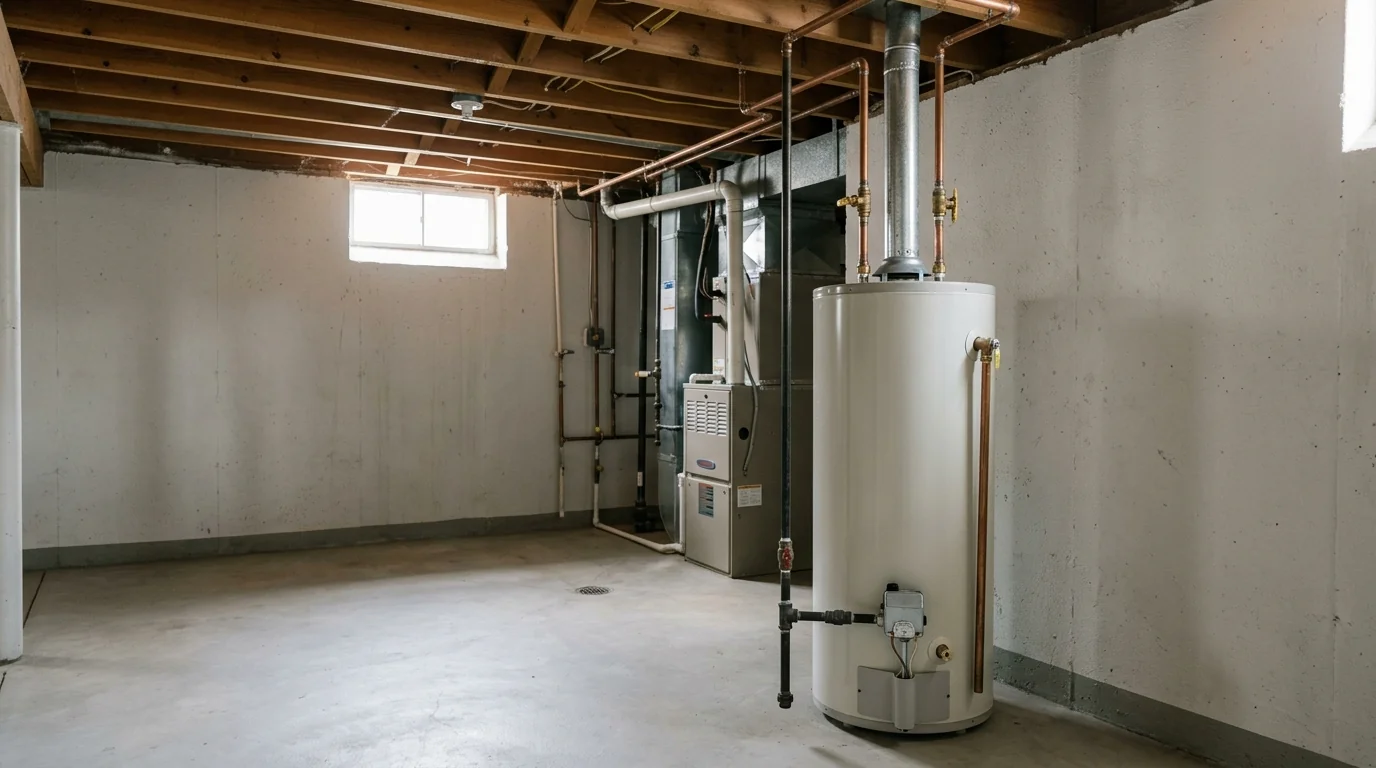
Water heater replacement usually requires a permit and inspection in Aurora and nearby cities, and we pull the permit as part of the job. Many homes here keep the heater in a basement utility room next to the furnace and floor drain, while newer homes often put it in a garage or utility closet. Each spot has its own venting and drainage details, and we plan around whichever one you have.
Related work
Other plumbing jobs that often go with this one
Water Heater Repair
No hot water, a leaking tank or a pilot that won't stay lit, fixed on gas and electric tank heaters.
Learn more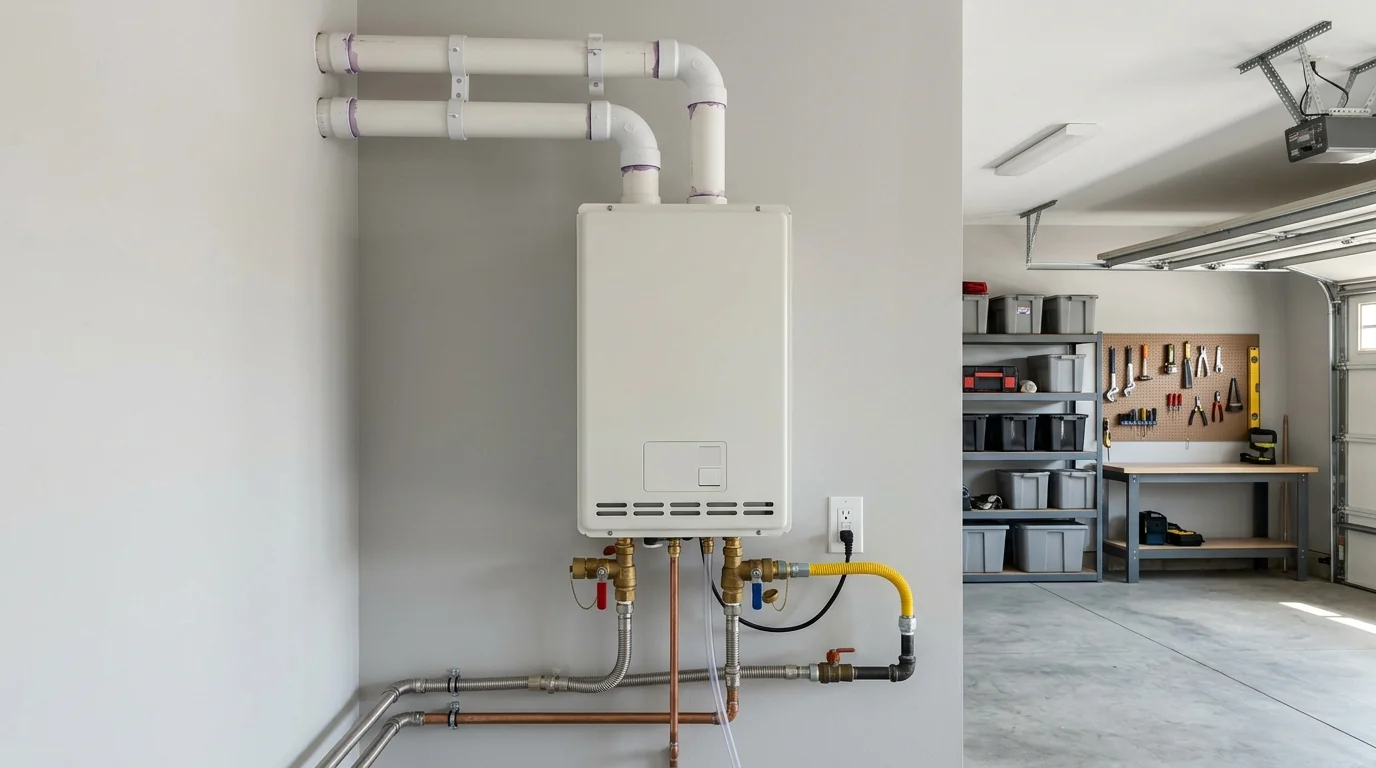
Tankless Water Heater Installation
Gas tankless water heaters sized for cold winter water, installed with the gas line, venting and condensate drain done properly.
Learn more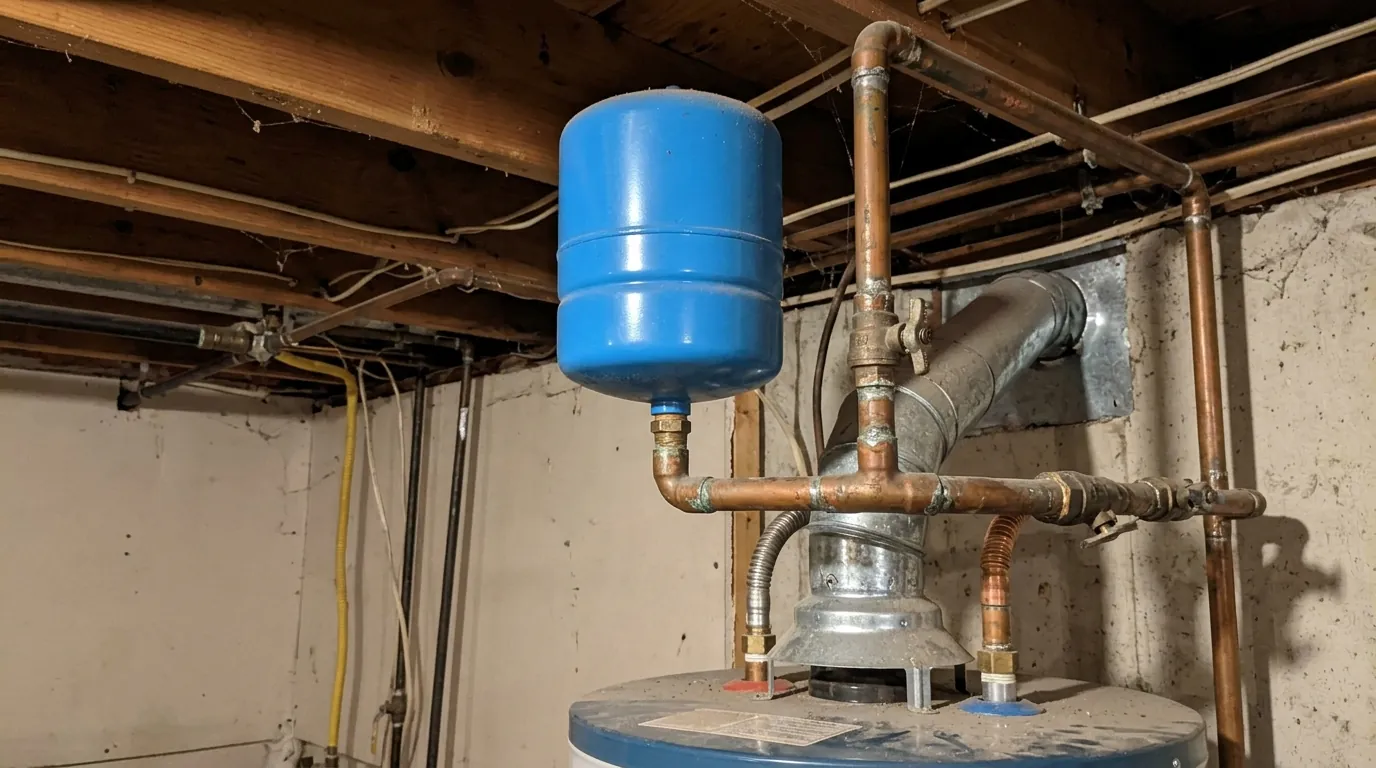
Expansion Tank Installation
Thermal expansion tanks sized and pre-charged to your water pressure, protecting the water heater, valves and fixtures.
Learn more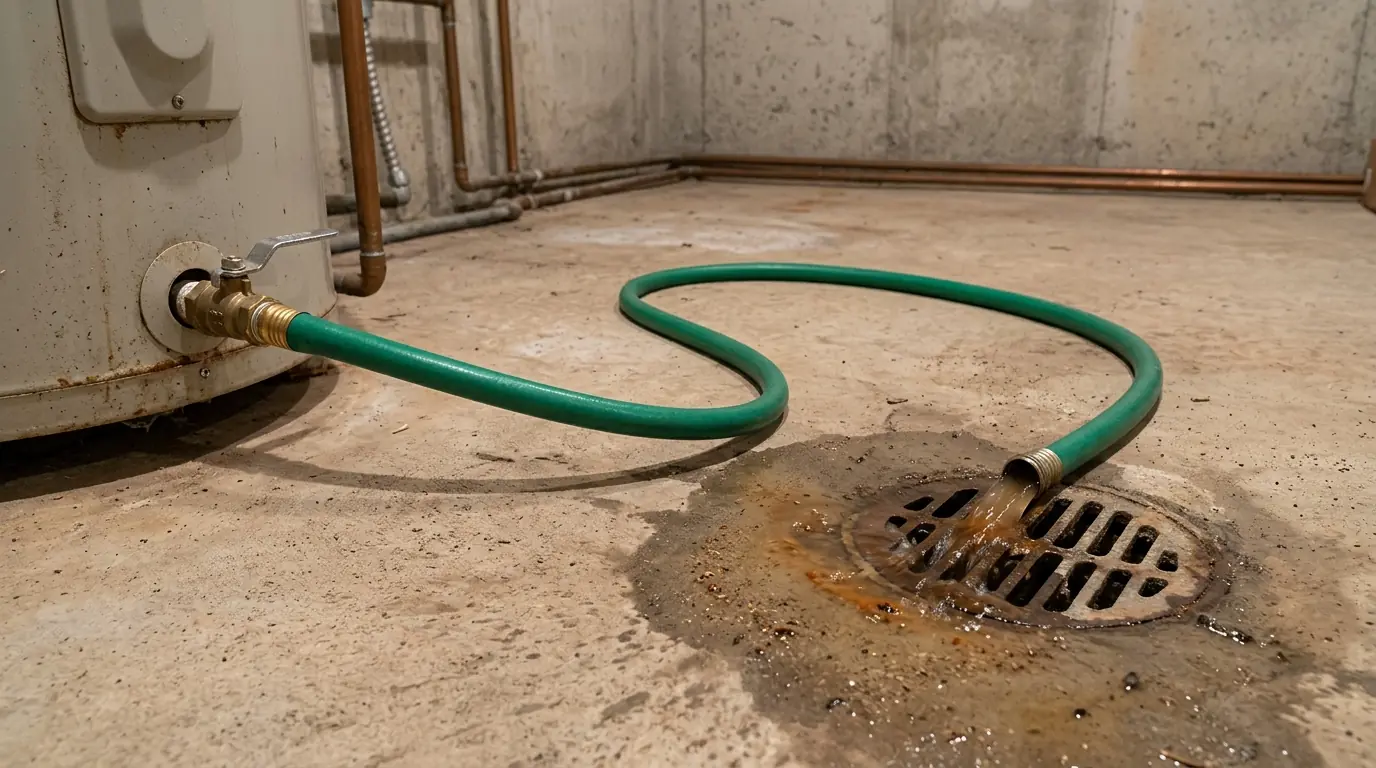
Water Heater Flush & Maintenance
Yearly tank flushing, anode rod checks and relief valve testing that keep a water heater running longer and quieter.
Learn moreQuestions
Water Heater Installation questions from Aurora homeowners
How long does a water heater installation take in Aurora?
Most like-for-like tank swaps take three to five hours, including draining the old tank and testing the new one. Relocations, vent replacements or a switch from electric to gas take longer, often most of a day. In most cases you will have hot water again by the evening.
Do I need a bigger water heater if we finished the basement?
Possibly. A new basement bathroom adds another shower to the morning rush, and that is exactly when a 40 gallon tank runs short. We look at how many showers may run at once and the heater's first-hour rating before recommending a 50 gallon or high-recovery unit.
Is a heat pump water heater a good fit for a Colorado garage?
It can be, but a heat pump heater pulls warmth from the surrounding air, so a garage that gets very cold in winter slows it down and leans on its backup elements. A basement utility room with some open space around the unit is usually a better home for one.
What happens to my old water heater after the install?
We drain it, carry it out and take it away for disposal or recycling as part of the job. You do not need to arrange a separate pickup or drag a heavy, sediment-filled tank to the curb yourself.
Why does a new water heater need an expansion tank when my old one did not?
Many older heaters went in before check valves, backflow devices or pressure reducing valves closed off the plumbing system. Once water cannot push back toward the street, heated water has nowhere to expand and pressure spikes. An expansion tank absorbs that pressure and protects the new heater and your fixtures.
Coverage
Where we do water heater installation around Aurora
These neighborhoods and nearby cities cover most of the households we serve. Not listed? Call and ask.
- Original Aurora, Aurora 80010
- Del Mar, Aurora 80010
- Hoffman Heights, Aurora 80011
- Aurora Hills, Aurora 80012
- Village East, Aurora 80012
- Willow Park, Aurora 80012
- Aurora Knolls, Aurora 80012
- Heather Gardens, Aurora 80014
- Aurora 80012
- Denver 80202
- Centennial 80112
- Parker 80134
- Englewood 80110
- Littleton 80120
- Greenwood Village 80111
- Lone Tree 80124
Need help with water heater installation?
Call any time, day or night. A real person answers and tells you what happens next.